
Fit First: Measure Bust, Waist, Hips for Plus Size Formal Wear
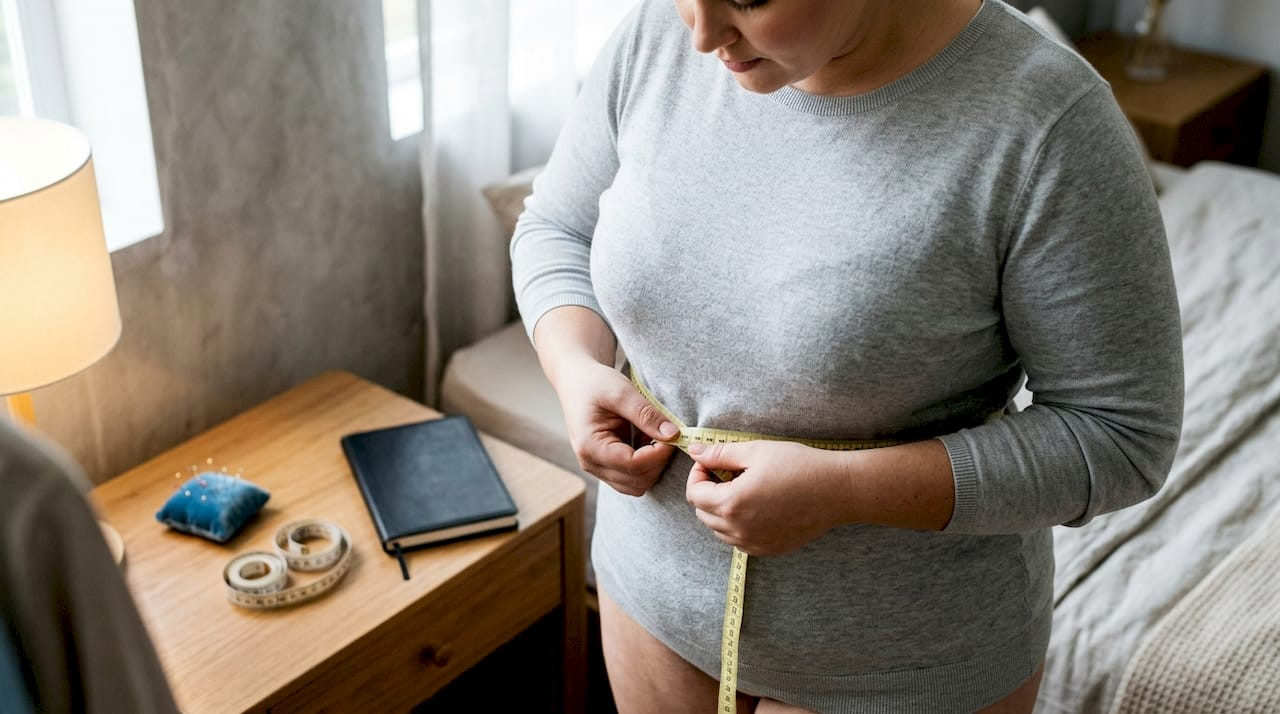
Fit First: Measure Bust, Waist, Hips for Plus Size Formal Wear
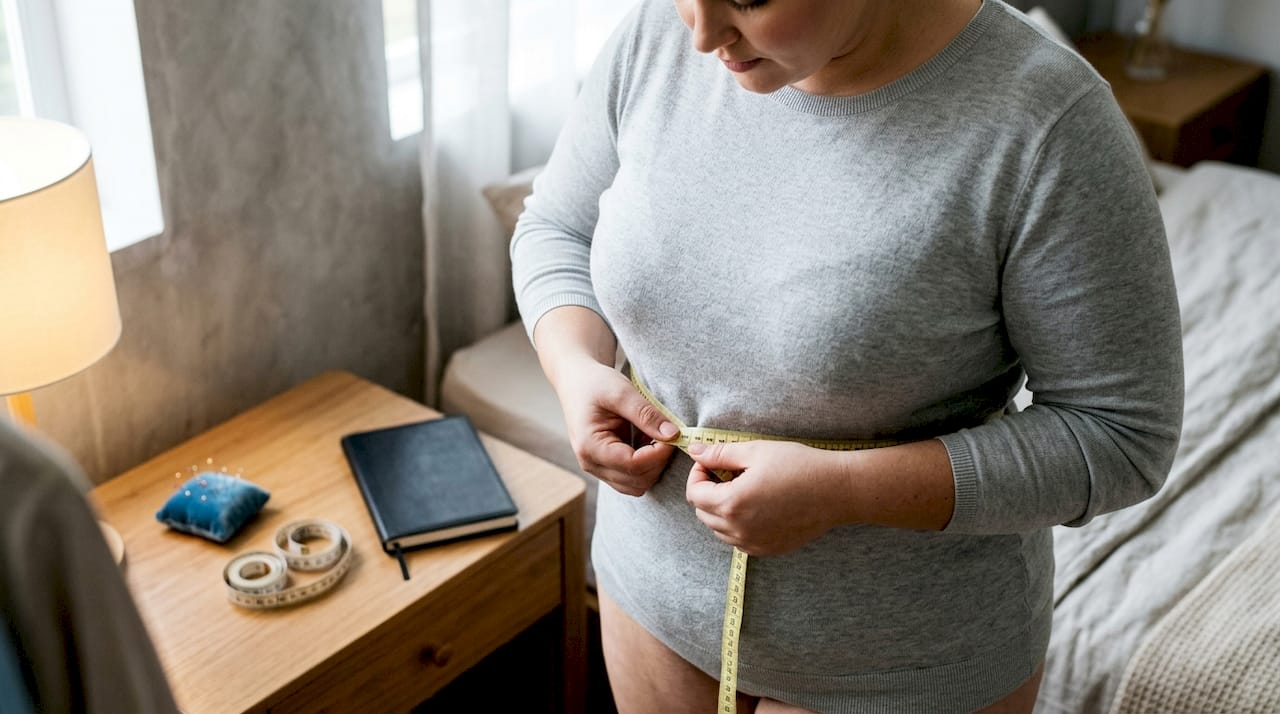
The most flattering plus-size formal wear comes down to three silhouettes: A-line and fit-and-flare styles that skim the waist, wrap dresses that cinch and drape naturally, and structured sheaths that use built-in shaping instead of fighting your curves. Before anything else, measure your bust, waist, and hips and compare those numbers to the garment’s actual measurements, not just the size label. Then build in time for alterations. Plus-size formal collections are often curated with a fit-first approach in mind, which is exactly the strategy we’ll walk through below.
TL;DR:
- Accurate measurements of bust, waist, and hips are essential for fitting plus-size formal dresses, and garment-specific sizing provides better guidance than labels.
- Wrap, A-line, fit-and-flare, and sheath silhouettes suit various body shapes, with each offering unique ways to highlight or conceal curves.
- Rigid fabrics like satin or crepe require size up for comfort and ease of movement, while stretch fabrics can be sized down slightly if measurements align.
- Construction details such as full lining, support features, and interior stays significantly influence dress comfort and fit throughout extended wear.
- Ordering dresses at least 6 to 8 weeks in advance and scheduling alterations promptly minimizes last-minute fit surprises.
Table of Contents
- Which Plus-Size Formal Silhouettes Work Best?
- How Do You Measure Yourself for a Plus-Size Formal Dress?
- What Fabric and Construction Details Matter Most?
- How Do You Shop for Formal Wear Online Without Guessing?
- Where Dressmeupny’s Fit Guides Fit Into Your Buying Process
- A Stylist’s Five-Point Checklist for Plus-Size Formal Looks
- Shop Plus-Size Formal Wear at Dress Me Up NY
- Sources
Which Plus-Size Formal Silhouettes Work Best?
Not every silhouette is built the same way, and that’s actually good news. Once you know what each cut does for your shape, shopping gets a lot less overwhelming and a lot more like picking a favorite instead of guessing.
A-line and fit-and-flare dresses nip in at the waist and flare out through the hips and hem, which creates a defined waistline while giving your lower body room to move. These are workhorses for weddings, prom, and cocktail parties because they photograph well and forgive a wide range of body types. Pair an A-line with a V-neck or sweetheart neckline to lengthen the upper body, and add three-quarter or bell sleeves if you want arm coverage without bulk.
Empire waist dresses gather just under the bust and flow loose from there, skipping the natural waistline entirely. This makes them one of the most forgiving options for black-tie events when you want elegance without worrying about waist definition at all. A high neckline balances the loose skirt nicely.
Wrap dresses cross in front and tie or fasten at the side, so the fit adjusts to your exact shape on the day you wear it. Retailers frequently point to wrap designs specifically because they flatter plus-size figures by creating a natural, adjustable waistline rather than a fixed seam that may not sit right on every body. Wraps work beautifully for wedding guest outfits and mother-of-the-bride looks where you want polish without rigidity.
Sheath dresses run straight through the body, which sounds risky until you find one with real construction behind it. A sheath with waist stays, boning, or a lining that shapes rather than just covers can look sleek without pulling or riding up. Save true sheaths for events where you’ll be seated more than dancing.
Mermaid and trumpet silhouettes fit close through the hip and flare below the knee. They’re dramatic, they’re gorgeous for black tie, and they demand the most precise fit of any style on this list, so budget extra alteration time.
Jumpsuits have earned a real place in plus-size formal wear too, especially for cocktail parties and modern black-tie events. A wide-leg jumpsuit with a fitted bodice gives you a strong silhouette with none of the fabric bunching that can happen with narrow-leg styles.
A few quick accessorizing notes by cut:
- A-line and fit-and-flare: a thin belt or sash at the natural waist reinforces the shape.
- Empire waist: statement earrings draw the eye upward since the waist itself is loose.
- Wrap: keep jewelry simple. The dress does the shaping work already.
- Sheath and mermaid: a structured clutch and heels elongate the leg line.
- Jumpsuits: layered necklaces fill the neckline space a jumpsuit’s higher cut often leaves open.
For a deeper look at matching cuts to specific events, our style and fit guide breaks down even more pairings.
How Do You Measure Yourself for a Plus-Size Formal Dress?
Getting the fit right starts with a tape measure, not a size label. Sizes labeled 0X through 5X can vary enormously between brands, so the number on the tag matters far less than the actual inches.
Here’s how to measure yourself accurately:
- Bust. Wrap the tape around the fullest part of your chest, keeping it level and snug but not tight.
- Waist. Measure around your natural waistline, which sits roughly an inch above your belly button, standing relaxed rather than pulled in.
- High hip. Measure about 3 to 4 inches below your natural waist, where many formal dresses actually sit.
- Hip. Wrap the tape around the fullest part of your hips and backside.
- Torso length. Measure from the top of your shoulder down to where you want the dress to end at the waist, which tells you whether a longer or shorter bodice will fit better.
Stand naturally while measuring, arms relaxed at your sides, and have someone help if you can. A tape measure that’s twisted or pulled too tight will throw every number off.
Once you have your measurements, compare them directly to the garment measurement chart on the product page, not the size chart alone. Many plus-size gown listings include specific figures like bust and waist dimensions by size, and some product pages go further and list exact garment length, such as a 1X gown measuring 58 and a half inches from highest point to hem. That’s the number that tells you whether a dress will actually work for your height and torso.
Pro Tip: If your bust and hip measurements fall into two different size categories on the chart, size up rather than down for structured fabrics like satin or crepe. You can always take in a seam, but you can’t add fabric that isn’t there.
A few practical sizing rules to keep in mind:
- Size up for rigid or structured fabrics with little stretch, since they won’t accommodate movement the way jersey or spandex blends do.
- Size down slightly for heavily stretch fabrics if you prefer a closer fit, but only if the garment measurements confirm there’s enough give.
- When your measurements sit exactly between two sizes, choose based on which body part matters most for that silhouette (hips for A-line, waist for sheath).
Common alterations run predictably, with hemming typically taking around a week and costing a moderate amount depending on fabric and lining. Taking in a bodice or waist generally requires one to two weeks, and adding bust support or replacing a zipper can take a couple of weeks at a specialty tailor. Book your alteration appointment as soon as the dress arrives, ideally 4 to 6 weeks before your event, so there’s room for a second fitting if something needs adjusting.
Our fit and style breakdown covers more alteration specifics if you’re working with a tighter timeline.
What Fabric and Construction Details Matter Most?
The fabric you choose changes everything about how a dress moves, breathes, and holds up through a full night of dancing, hugging relatives, and sitting through a ceremony.
Crepe has a matte, structured drape that holds its shape well, making it a strong choice for sheath and column silhouettes. Chiffon floats and layers beautifully over an A-line skirt but usually needs a full lining underneath to avoid clinging. Satin has a natural sheen and body that suits mermaid and fit-and-flare cuts, though it can show every seam if the construction underneath isn’t solid. Velvet adds warmth and richness for winter formal events but tends to run heavier, so check the weight before ordering for summer weddings. Stretch jersey moves with your body and travels well, a smart pick for destination weddings or multi-day events. Sequin-backed fabrics deliver the most sparkle but vary wildly in comfort depending on what’s underneath.
That last point matters more than most shoppers realize. A fully lined sequin gown with smooth interior seams tends to feel far more comfortable through a long event than an unlined one, and built-in shaping like bra cups or waist stays can eliminate the need for major alterations altogether.
Construction features worth prioritizing:
- Full interior lining, which prevents itching from sequins, lace, or beading
- Built-in bra cups or boning for support without a separate shapewear layer
- Waist stays or interior belts that keep the dress from shifting during movement
- Adjustable closures like side zippers with hook-and-eye backups, which give a little wiggle room on event day
Be cautious with unlined sequin dresses and rigid fabrics that offer zero stretch. Both can look stunning on the hanger and feel completely different once you’re wearing them for six hours straight.
Care instructions matter for event planning too. Many formal gowns are dry-clean only, which means you’ll want to schedule cleaning right after the event rather than letting a stain set in. If you’re ordering weeks in advance and want to steam or spot-check the dress before your event, hand-washable jersey or knit fabrics give you more flexibility. As for embellishment, smaller-scale beading and lace tend to sit more comfortably on curves than oversized sequins, which can pull or gap at stress points like the bust and hip.
How Do You Shop for Formal Wear Online Without Guessing?
Buying a formal dress online doesn’t have to feel like a gamble if you know what to check before you click “add to cart.”
Start with the product page itself. Look for a detailed size chart, actual garment measurements (not just size labels), fabric content, lining details, and photos of the dress on a model whose size and height are listed. Retailers that show a “how this fits” note or specify which size the model is wearing give you a much clearer read on true fit than photos alone.
Here’s a practical shopping sequence to follow:
- Check the size chart and garment measurements first, comparing them to your own numbers rather than assuming your usual size will translate.
- Read customer photos and fit reviews. These often reveal how a dress actually drapes on different body types, which complements the official chart in ways a flat measurement never can.
- Order 6 to 8 weeks before your event whenever possible, which gives you room for shipping delays, a first fitting, and alterations.
- If you’re in a rush, look for retailers offering expedited shipping and ask your tailor upfront whether they can accommodate a rush alteration, since not every shop can turn around a hem in 48 hours.
- Document any fit problems immediately if the dress doesn’t work: photograph the fit issue, note your measurements against the garment chart, and check the return window before you cut any tags.
Return policy pitfalls trip up a lot of shoppers. Some retailers only accept returns on unaltered dresses within a short window, so don’t schedule alterations until you’re confident about keeping the dress. Look for inclusive sizing paired with flexible return or exchange policies, since retailers that back their size range with generous return terms tend to be the ones that understand how much fit can vary from body to body.
Some formal dress retailers also offer custom sizing options for shoppers with proportions that don’t match standard charts well. This is worth considering for very formal events like black tie or a wedding where you’re the mother of the bride and want a dress built around your exact measurements rather than the closest standard size.
Where Dressmeupny’s Fit Guides Fit Into Your Buying Process
Every step above gets easier when you have real examples to compare against, not just abstract rules. That’s the gap Dressmeupny’s blog series was built to close.
Our style and fit guide walks through detailed size charts and silhouette examples so you can see how each cut is supposed to sit before you buy. The 7 key tips guide distills the shopping checklist into a fast reference for readers who want the short version. And our fit and style breakdown goes deeper into alteration timing and cost, which pairs directly with the measurement steps covered earlier.
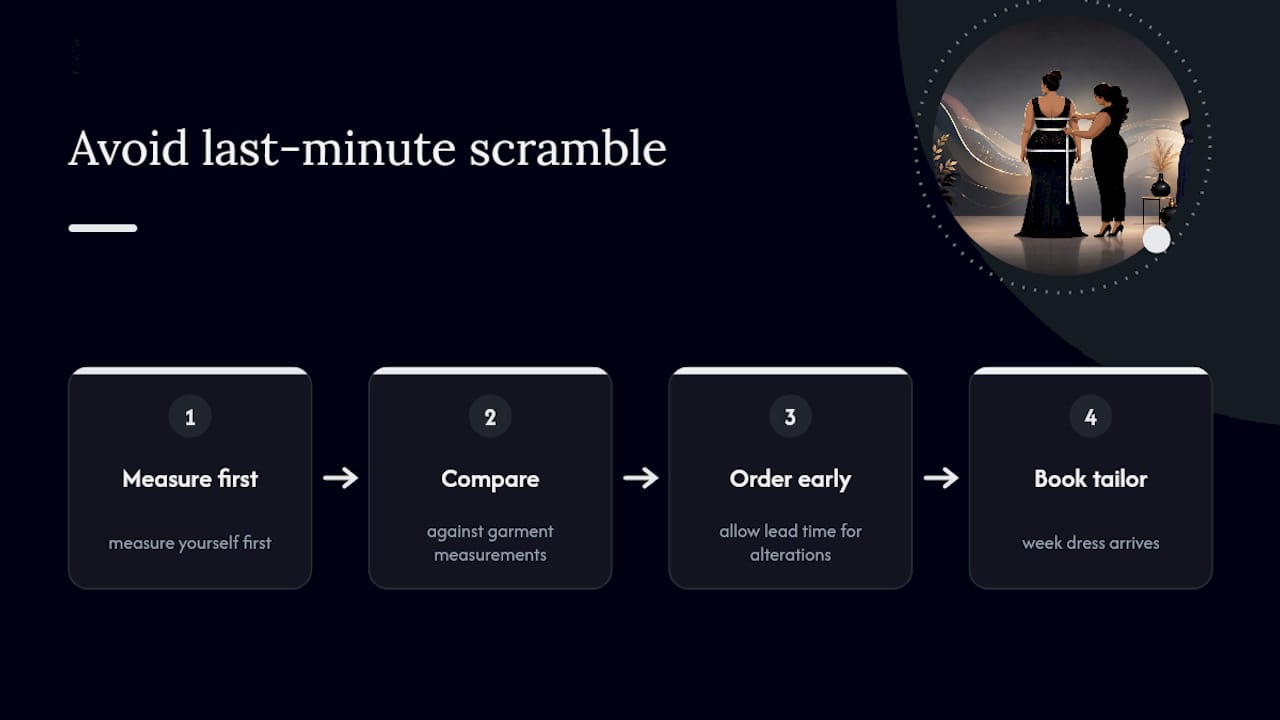
Use them in this order: measure yourself first, compare against the garment measurements shown in our guides, place your order with enough lead time for alterations, then book your tailor appointment the week the dress arrives. That sequence, in that order, is what actually prevents the last-minute scramble most formal-wear shoppers dread.
A Stylist’s Five-Point Checklist for Plus-Size Formal Looks
Run any dress through these five checks before you commit, and you’ll catch most fit problems before they become expensive ones.
- Measure first, shop second. Know your bust, waist, and hip numbers before you browse, not after you fall in love with a photo.
- Choose the silhouette that balances your proportions, not just the one trending on social media.
- Prioritize construction over decoration. A lined dress with real shaping will outperform an unlined dress with more sparkle every time.
- Schedule alterations the day the dress arrives, ideally 4 to 6 weeks out from your event.
- Pick accessories that elongate, whether that’s a vertical earring, a pointed heel, or a clutch that echoes your dress’s neckline.
For a wedding guest look, a wrap dress in crepe with a V-neck and nude heels checks every box: adjustable fit, comfortable fabric, and a neckline that lengthens the frame. For prom, a fit-and-flare gown in satin with a sweetheart neckline and a thin belt hits the same notes while leaning more dramatic for photos.
Pro Tip: Good shapewear and good posture do more for your silhouette than a size change ever will. Stand tall, roll your shoulders back, and let the dress’s construction do the rest of the work.
— Dressmeup
Shop Plus-Size Formal Wear at Dress Me Up NY
This guide supports a fit-first shopping process by focusing on plus-size evening gowns, cocktail dresses, wedding guest outfits, and prom styles with size charts and garment details to help you buy with confidence.
Dress categories can be organized to allow comparison of silhouettes side by side, checking detailed measurements before ordering, and contacting customer service with fit questions that the chart doesn’t answer. Whether you’re hunting for an A-line gown for a black-tie gala or a wrap dress for a spring wedding, the goal is the same: fewer surprises when the package arrives, and more time for the parts of getting ready that are actually fun. Browse the plus-size formal collection today and start with your measurements, not your usual size, to find the dress that’s actually going to fit.
Sources
- Plus Size Luminous Sequin Lace Long Formal Gown - Kiyonna
- Plusbydesign
- Universal Standard | Plus Size and Inclusive Fashion from 00 - 40
- Plus Size Formal Dresses | Special Occasion Dresses | Yours Clothing