
Plus-size formal attire: find your perfect fit & style
Plus-size formal attire: find your perfect fit & style
TL;DR:
- Proper understanding of dress codes ensures selecting appropriate styles and fabrics for events.
- Flattering silhouettes like A-line or empire-waist combined with the right fabric enhance fit and comfort.
- Accurate measurements and considering fabric drape are essential for achieving a perfect, comfortable fit.
Shopping for plus-size formal attire should feel exciting, not exhausting. Yet most women arrive at an event dress search only to find stores packed with generic options that ignore fit, comfort, and dress codes entirely. The real challenge isn’t finding something in your size. It’s finding something that fits your body correctly, moves with you on the dance floor, suits the event’s formality level, and makes you feel genuinely powerful. This guide walks you through every layer of that process, from decoding dress codes to nailing silhouettes, fabrics, sizing, and styling, so you walk into your next prom, wedding, or gala feeling exactly the way you deserve.
Table of Contents
- decoding dress codes and event requirements
- choosing silhouettes and fabrics that flatter
- mastering plus-size fit and sizing edge cases
- practical shopping and styling mechanics for every event
- Why fit and movement matter more than trends
- discover more plus-size formal styles and guidance
- frequently asked questions
Key Takeaways
| Point | Details |
|---|---|
| Dress code comes first | Align your formal attire to the event’s dress code before choosing a silhouette or fabric. |
| Fit and fabric matter | Select silhouettes and fabrics that support both your proportions and comfort. |
| Size charts are essential | Always use the brand’s size chart and account for measurement tolerances. |
| Movement is key | Test sitting, walking, and dancing in your dress to ensure comfort and confidence. |
| Preparation pays off | Shop early, check for needed alterations, and accessorize to complete your formal look. |
decoding dress codes and event requirements
Before you even open a browser to shop, you need to know what the event actually requires. Getting this wrong is the most common and most avoidable mistake plus-size shoppers make. A gorgeous gown that’s too casual for a black-tie gala or too structured for a garden wedding will feel uncomfortable in a way that has nothing to do with the dress itself.
Here’s a quick breakdown of the most common formal dress codes:
- Black tie: Full-length gowns are the standard. Rich fabrics like satin, silk, and velvet work best. Think sleek, dramatic, and polished.
- Semi-formal or cocktail: Tea-length or midi dresses are appropriate, along with elegant jumpsuits or dressy separates.
- Garden party or daytime gala: Light, flowing fabrics like chiffon or lace in softer colors tend to fit the mood.
- Wedding guest formal: Floor-length or knee-length dresses depending on the venue. Always avoid white.
- Red carpet or gala formal: Statement gowns with embellishments, trains, or bold color choices are expected and encouraged.
“The foundation of elegant event dressing is matching your dress code while choosing silhouettes and fabrics that flatter your body. Without both, even the most beautiful gown falls flat.”
Once you know the code, you can make smarter choices. Plus size dress code tips walk you through how each code connects to specific silhouette choices, which is especially useful if you’re shopping for multiple events in one season.
Dress codes also dictate fabric weight and level of structure. Black-tie events call for heavier, more structured materials that hold their shape. Semi-formal events leave room for lighter, more fluid options. Understanding formal dress advice gives you a sharper framework for translating each code into a concrete shopping list, which saves you hours of scrolling through options that were never right for your event to begin with.
Matching your dress to the event style guidance also matters for practical reasons. The right fabric for a summer outdoor gala will keep you cool and comfortable. The wrong one will leave you miserable by hour two.
choosing silhouettes and fabrics that flatter
Now that dress codes are clear, the next step is choosing shapes and materials that support both your style and your comfort. This is where most shopping guides stop short. They list silhouette names without explaining why each one works or what it actually does for your proportions.
The most flattering silhouettes for plus-size bodies include A-line, empire-waist, fit-and-flare, and wrap styles, each chosen for distinct reasons.
| silhouette | best for | why it works | fabric pairing |
|---|---|---|---|
| A-line | All body types | Creates balance by flaring from the waist | chiffon, crepe |
| Empire-waist | Apple shapes | defines the narrowest point under the bust | satin, jersey |
| fit-and-flare | hourglass | hugs curves, then flares for movement | velvet, lace |
| wrap | pear and hourglass | adjustable fit, flatters the waist | jersey, chiffon |
| ball gown | all types | dramatic silhouette, conceals hips | tulle, organza |
Fabric is equally important. Finding the right material for your body and event means thinking about both visual effect and physical comfort.
- chiffon: Light and airy. Perfect for outdoor events or warmer venues. Falls softly and moves beautifully.
- satin: High sheen and structure. Best for indoor, climate-controlled formal events.
- velvet: Rich, luxe texture. Works well for fall and winter galas.
- lace: adds texture and femininity. works across seasons with the right lining.
- jersey: stretchy and forgiving. Great for comfort-first occasions without sacrificing elegance.
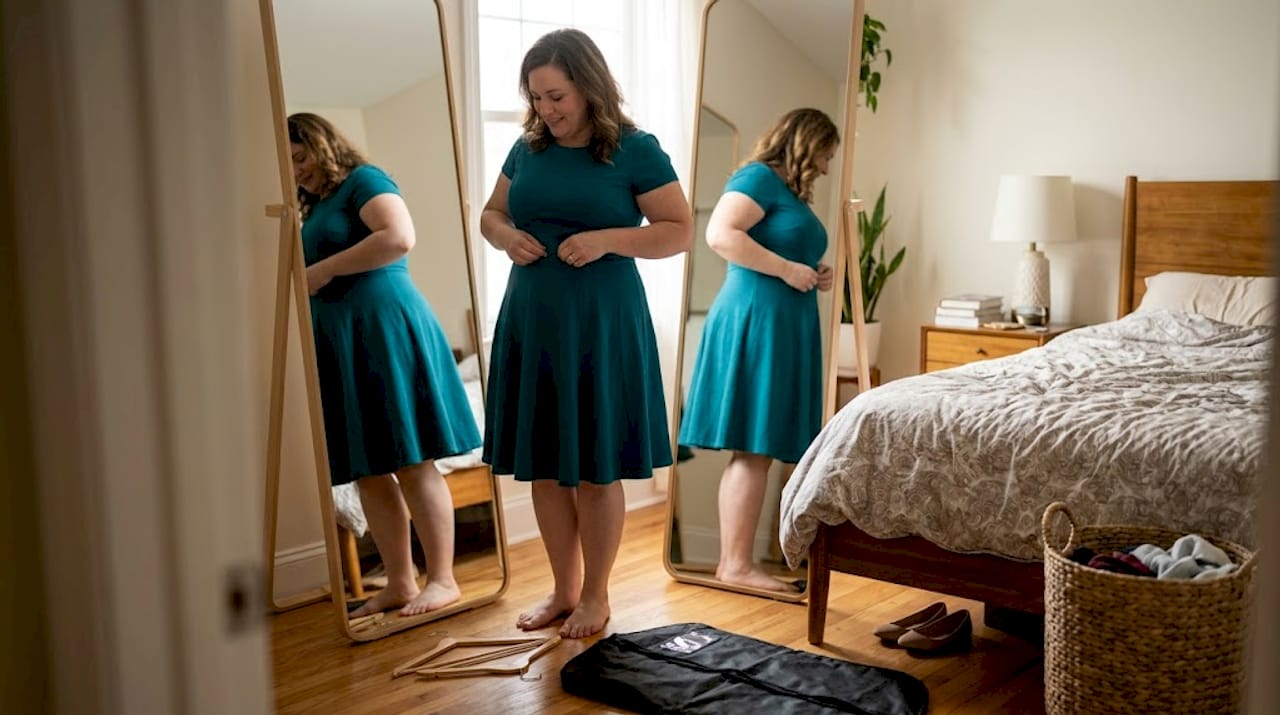
Pro tip: Before ordering, sit down in the dress (or a similar length), walk across the room, and simulate a dance step. A gown that restricts your movement at the hip or thigh will limit your enjoyment of the entire event. The tips for formal gowns page goes deeper into mobility testing before you commit to a purchase.
One detail shoppers often ignore is how fabric drapes across different zones of the body. A satin A-line, for example, can highlight the midsection if cut too narrow at the waist. The same dress in chiffon drapes softly and reads as much more forgiving. stylish plus-size dresses walks through how specific materials interact with different body shapes in real-world event settings.
mastering plus-size fit and sizing edge cases
Once you have style and fabric in mind, the most crucial and often overlooked part comes next: ensuring the right fit. This is where a lot of online orders go wrong, especially for plus-size shoppers navigating inconsistent brand sizing.
Here’s the uncomfortable truth about online sizing: there is no universal standard. A size 18 at one brand fits like a 16 at another. Small sizing tolerances of approximately one inch can determine whether a dress zips smoothly or pinches uncomfortably at the back. That one inch matters enormously in structured formal wear.
| measurement | how to take it | where to measure |
|---|---|---|
| bust | fullest point, tape parallel | across nipple line |
| waist | narrowest point | two inches above navel |
| hips | fullest point | seven to nine inches below waist |
| length | center back to floor | from nape to hem |
Follow these steps before every online purchase:
- Take all four measurements on the same day, wearing the undergarments you plan to use at the event.
- Compare each measurement individually to the brand’s size chart, not just the overall size label.
- When you fall between two sizes, size up and plan for a minor alteration at the waist or bust.
- Read customer reviews specifically from shoppers with similar measurements to get real-world sizing feedback.
- Check the return and exchange policy before purchasing. A brand that doesn’t allow returns on sale items may not be worth the risk if you’re unsure about fit.
Pro tip: Budget for one alteration. A tailored fit elevates even a mid-priced dress into something that looks custom-made. Finding your dress size explains how to identify your measurements accurately, and the dress measurement guide breaks it down step by step with visual reference points.
If you’re shopping for a body with significantly different proportions between bust and hips, look for designers who offer custom sizing or separates. The guide to perfect fit covers how to handle these situations without expensive custom orders.
practical shopping and styling mechanics for every event
With sizing mastered, it’s time to put everything together with practical steps and styling mechanics that translate into real confidence at your event.
- Start with the dress code. Use the event invitation as your first filter. This narrows your options before you spend time browsing.
- Choose your silhouette. Based on your body shape and comfort preferences, pick one or two silhouettes to focus on.
- Select your fabric. Match it to the season and venue. Indoor winter gala? velvet or satin. Summer garden wedding? chiffon or lace.
- Take your measurements. Use fresh measurements, not ones from last year. Bodies change, and formal wear has very little room for error.
- Order in advance. Give yourself at least six weeks before the event for shipping, fitting, and any alterations.
For accessories, consider these formal shopping checklist essentials:
- Choose heels or block-heeled sandals based on the venue floor surface and your comfort level.
- A structured clutch complements formal gowns without adding visual bulk.
- Statement earrings or a delicate necklace, not both at the same time, add personality without competing with the dress.
- A wrap or shawl in a coordinating fabric gives you temperature control and a polished layered look.
Styling for confidence also means managing what’s underneath. A seamless, supportive undergarment makes your dress sit correctly and stay in place throughout the evening. trendy plus-size gowns includes styling notes on how different gown cuts interact with various undergarment styles. The plus-size evening dress guide is another strong resource for finalizing your overall look before event day.
Why fit and movement matter more than trends
Most shopping content leads with trends. New silhouettes, seasonal colors, what celebrities wore at the last award ceremony. We understand why that content gets clicks. But here’s what years of working with plus-size formal shoppers has taught us: a perfectly fitted dress from three seasons ago will always outperform an on-trend gown that doesn’t move well.
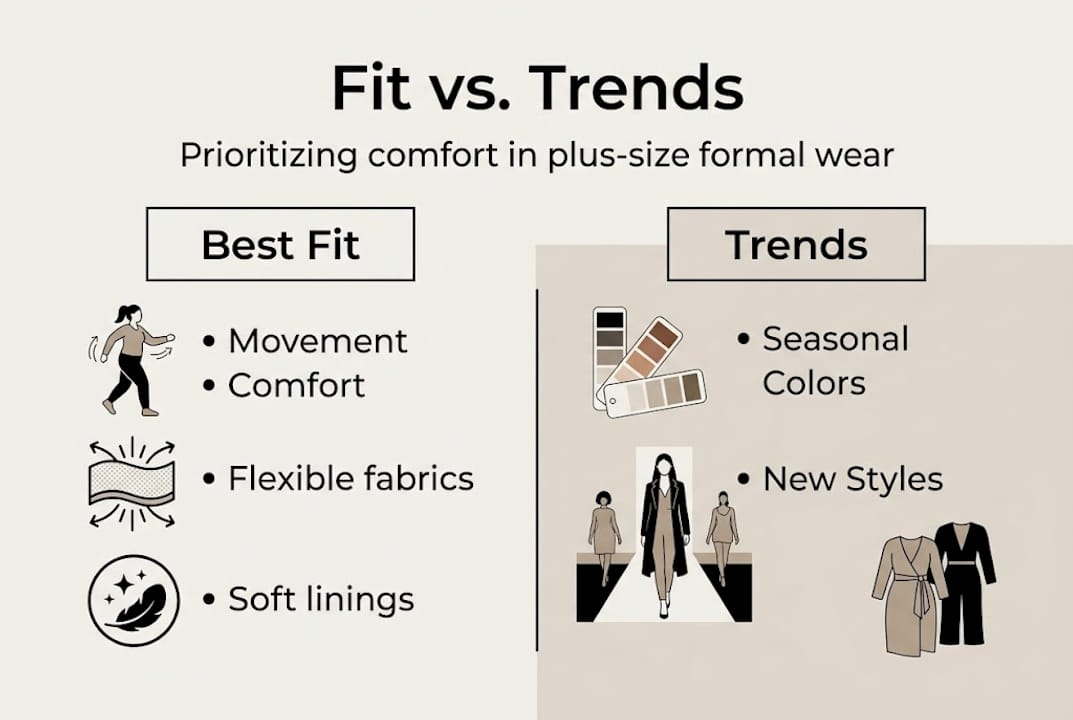
Trends change every season. Your body’s need for comfort and mobility doesn’t. When you feel physically constrained in a dress, that discomfort registers in how you carry yourself, how often you adjust the fabric, and how present you can actually be at your event. You’re thinking about the dress instead of enjoying the moment.
boosting confidence with fit isn’t just a nice phrase. It’s the practical result of wearing something that was designed and adjusted specifically for your proportions. Shop for fit first. Let the trend be a secondary filter.
discover more plus-size formal styles and guidance
You now have a strong framework for approaching your next formal shopping experience with clarity and confidence. The next step is putting it into action with the right resources at your side.
At discover plus-size formal attire, you’ll find a wide catalog of evening gowns, prom dresses, and wedding guest styles in extended sizes, with options that span every dress code and occasion. Whether you’re preparing for a black-tie gala or a semi-formal garden wedding, the collections are curated with both elegance and real-world wearability in mind. Browse the event style tips to pair your shopping with expert guidance, and use the fitting resources to walk in with full confidence on the day that matters most.
frequently asked questions
What are the best silhouettes for plus-size formal attire?
A-line, empire-waist, fit-and-flare, wrap, and ball gown silhouettes offer balanced proportions and comfort for plus-size bodies, each designed to highlight different assets while ensuring ease of movement. The best choice depends on your body shape and the event’s formality level, as noted in flattering silhouette advice.
How should I measure myself for a plus-size formal dress?
Use a flexible tape measure for bust, waist, hips, and length, then compare each individually to the brand’s chart. Because sizing tolerances can be as small as one inch in structured gowns, matching measurements precisely matters far more than relying on a general size label.
What fabrics are most comfortable and elegant for plus-size formal wear?
Chiffon, satin, and velvet are widely recommended for combining comfort and a sophisticated look. The best choice depends on your event’s season, venue, and the level of structure you want. breathable and luxe fabrics are both represented in these top picks.
Is shapewear necessary for plus-size formal attire?
Shapewear is completely optional, but it can help create smooth lines under structured gowns and add an extra layer of confidence. The right seamless undergarment often does the same job without added compression, as suggested in event dressing tips.
What’s the number one tip for confidence in plus-size formal wear?
Prioritize fit and mobility above everything else. Testing movement before your event, whether sitting, dancing, or walking, ensures you’ll spend the evening enjoying yourself rather than managing your dress.
Recommended
- Plus Size Formal Dress Tips for Elegant Event Style - DressMeUpNY
- Find stylish plus-size formal dresses that boost confidence - DressMeUpNY
- Complete Guide to Plus Size Formal Wear - DressMeUpNY
- 7 Key Tips for Choosing Plus Size Formal Gowns - DressMeUpNY