
Master Winter Formalwear Layering: Stay Warm & Stylish
Master Winter Formalwear Layering: Stay Warm & Stylish
TL;DR:
- Effective winter formal layering balances warmth and elegance through intentional fabric choice and silhouette preservation.
- Essential layers include fitted thermal base layers, insulating mid-layers like velvet blazers, and functional accessories such as gloves and scarves.
- Less is more; sticking to three well-chosen layers ensures a polished look without bulk or clutter.
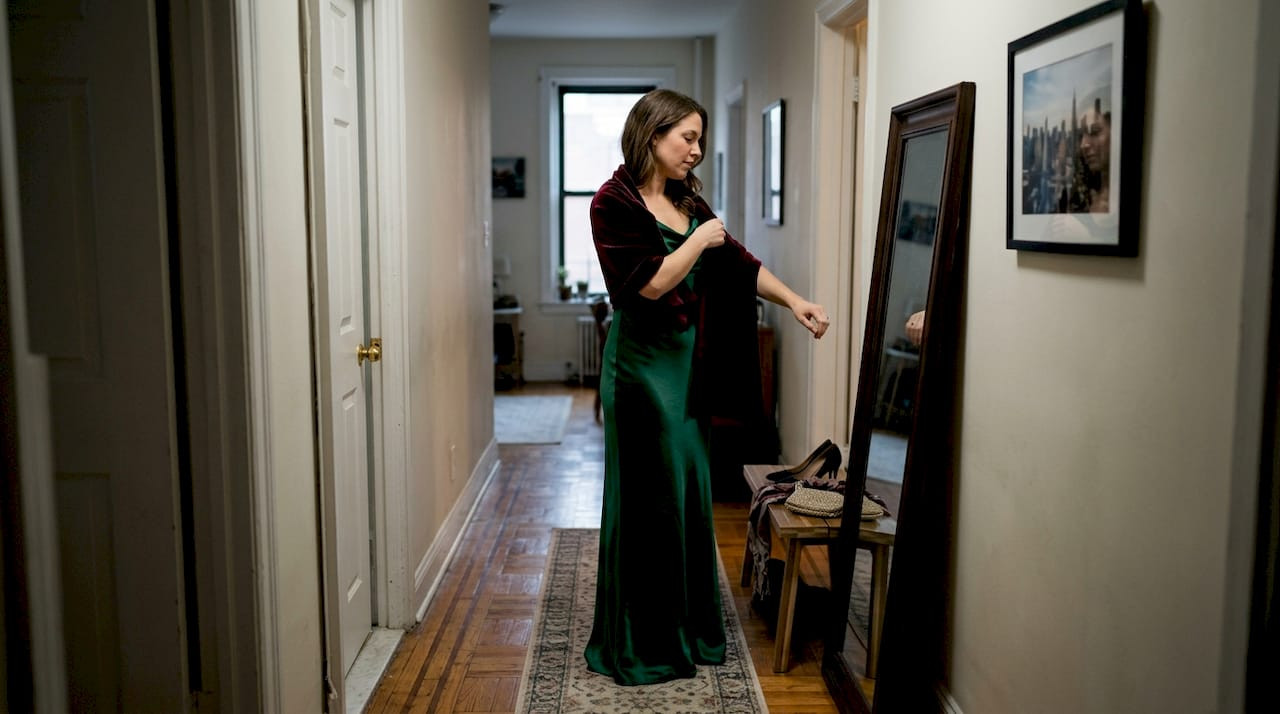
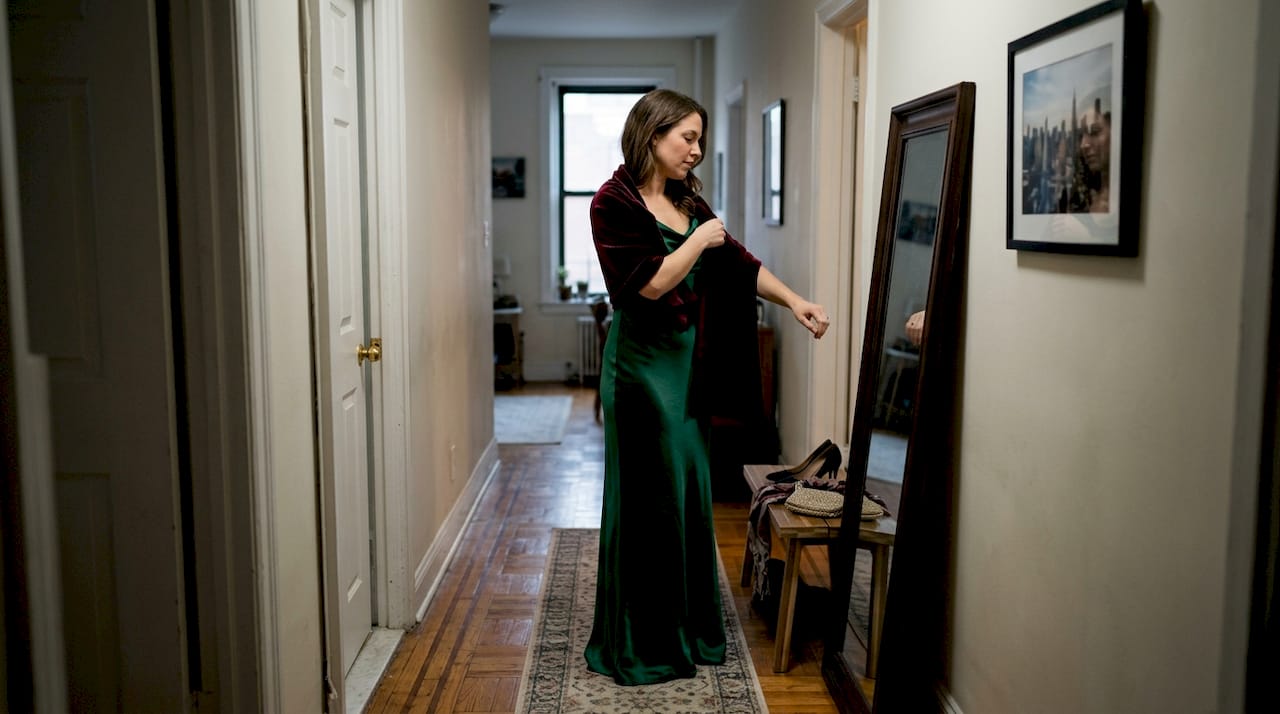
You’ve been invited to a winter formal event, and you’re already dreading the moment you step outside in a beautiful gown and feel the cold air hit you like a wall. The instinct is to pile on sweaters and call it a day, but that defeats the entire purpose of dressing up. Here’s the truth: staying warm and looking stunning are not mutually exclusive goals. Layering, when done with intention, is the technique that solves both problems at once. This guide walks you through every stage of building a layered winter formal look, from understanding the principles to avoiding the pitfalls that trip most people up.
Table of Contents
- Understanding the basics: Principles of formalwear layering
- Essential pieces for winter layering
- Step-by-step layering techniques for winter formalwear
- Common mistakes and troubleshooting: What to avoid
- Why less is more: Our take on winter formalwear layering
- Find your perfect winter layers at DressMeUpNY
- Frequently asked questions
Key Takeaways
| Point | Details |
|---|---|
| Choose smart core layers | Pick warm, lightweight fabrics and fitted base pieces to lock in heat without bulk. |
| Master the layering order | Start with a thermal or slip, add your main dress, and finish with coats or stylish wraps. |
| Avoid common mistakes | Prevent bulk and style errors by mixing compatible fabrics and using only needed accessories. |
| Quality over quantity | A few well-chosen items are more effective and stylish than piling on too many layers. |
Understanding the basics: Principles of formalwear layering
Layering in a formal setting is not the same as throwing a hoodie over a dress. It’s a deliberate styling process that keeps you comfortable without turning your silhouette into a shapeless mass. Before you open your closet, understanding why layering works will change how you approach every winter formal outfit going forward.
At its core, layering creates insulation while allowing for versatility in changing temperatures. When you move from a cold outdoor environment into a heated venue, a well-planned look lets you remove one piece without disrupting the whole outfit. That flexibility is what separates smart layering from just wearing too many clothes.
Three factors determine whether your layered look succeeds or fails:
- Fabric choice: Thin, smooth fabrics sit closest to your body. Heavier, textured pieces go on top. Mixing weights correctly keeps the look intentional.
- Silhouette preservation: Every piece you add should maintain the shape of your original dress. If a cardigan bunches at your waist or a wrap swallows your figure, it’s working against you.
- Color coordination: Sticking to one tonal palette or using classic neutrals as your connective thread keeps layered looks cohesive rather than chaotic.
The following comparison table breaks down common layering combinations and their practical trade-offs:
| Layering combo | Warmth level | Silhouette impact | Best for |
|---|---|---|---|
| Slip dress + wrap coat | High | Minimal | Outdoor ceremonies |
| Sleeveless gown + shawl | Medium | None | Indoor receptions |
| Sleeved gown + gloves | Low | None | Mildly cold venues |
| Formal jumpsuit + tailored coat | Very high | Low | Evening galas |
The biggest mistakes people make when layering formalwear include adding too many pieces at once, choosing fabrics that clash in texture, and ignoring how proportions shift as layers are added. A ruffled blouse under a structured ball gown, for example, creates visual noise at the neckline that reads as messy rather than styled. These layering principles for events apply whether you’re dressing for a winter wedding or a holiday gala.
Thinking about building a more versatile formal wardrobe over time? Exploring wardrobe capsule basics can help you invest in pieces that layer well season after season.
Pro Tip: Choose thin thermal undershirts in neutral shades like ivory or nude to add warmth directly against your skin without creating visible bulk under a fitted gown.
Essential pieces for winter layering
Grounded in layering principles, it’s time to get specific about what you’ll need. Not every piece in your closet belongs in a winter formal look, and knowing which items to reach for saves you from frantic last-minute decisions.
Your layering wardrobe breaks down into three tiers: base layers, insulating mid-layers, and finishing pieces. Each plays a distinct role.
Base layers include fitted thermal tops and slip dresses. These sit directly against your skin and provide the first barrier of warmth. A silk or jersey slip dress doubles as a standalone outfit or as a foundation under sheer overlays. Thermal bodysuits in neutral tones are another excellent base layer option that works invisibly under most formal gowns.
Insulating mid-layers include cashmere cardigans, embellished boleros, structured blazers, and full wrap coats. These pieces do the heaviest lifting in terms of heat retention. Certain materials like velvet and satin not only add style but trap heat and maintain a formal look, making them far superior to cotton or polyester alternatives for evening events. A velvet blazer, for instance, reads as completely intentional at a formal dinner while keeping your core warm.
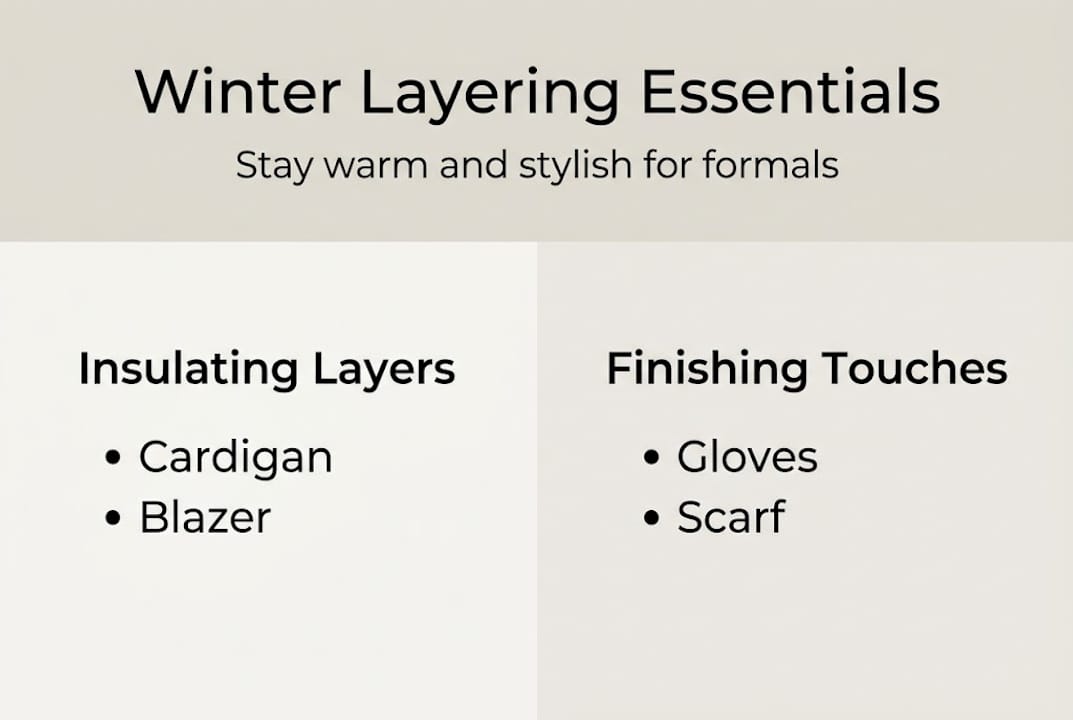
Finishing pieces include elegant gloves, structured clutches, embellished hair accessories, and delicate scarves. These additions are not just decorative. Gloves, for example, cover exposed skin on your hands and wrists, which are among the fastest areas to lose body heat.
Here’s a quick-reference data table to guide your selections:
| Piece | Warmth level | Best pairing |
|---|---|---|
| Cashmere wrap | High | Sleeveless column gown |
| Velvet blazer | High | Slip dress or midi gown |
| Embellished bolero | Medium | Strapless ball gown |
| Satin shawl | Medium | Off-shoulder formal dress |
| Leather gloves | Low-medium | Any silhouette |
Top 5 layering must-haves for winter events:
- A fitted thermal bodysuit in nude or ivory
- A cashmere or velvet wrap that complements your dress color
- A tailored coat long enough to clear your gown’s hem
- Elegant gloves in a fabric that matches the formality of your event
- A statement hair accessory that adds warmth to your ears without a hat
For more guidance on fabric choices for winter gowns, or to find inspiration from dresses for winter galas, a little research beforehand can make your shopping much more focused.
Step-by-step layering techniques for winter formalwear
Once you’ve chosen your essential layers, here’s how to put them together for a flawless formal look. The process matters as much as the pieces themselves.
Step 1: Start with your base layer. Put on your thermal bodysuit or slip dress first. Make sure it fits smoothly with no visible lines or bunching. This layer should disappear under everything else.
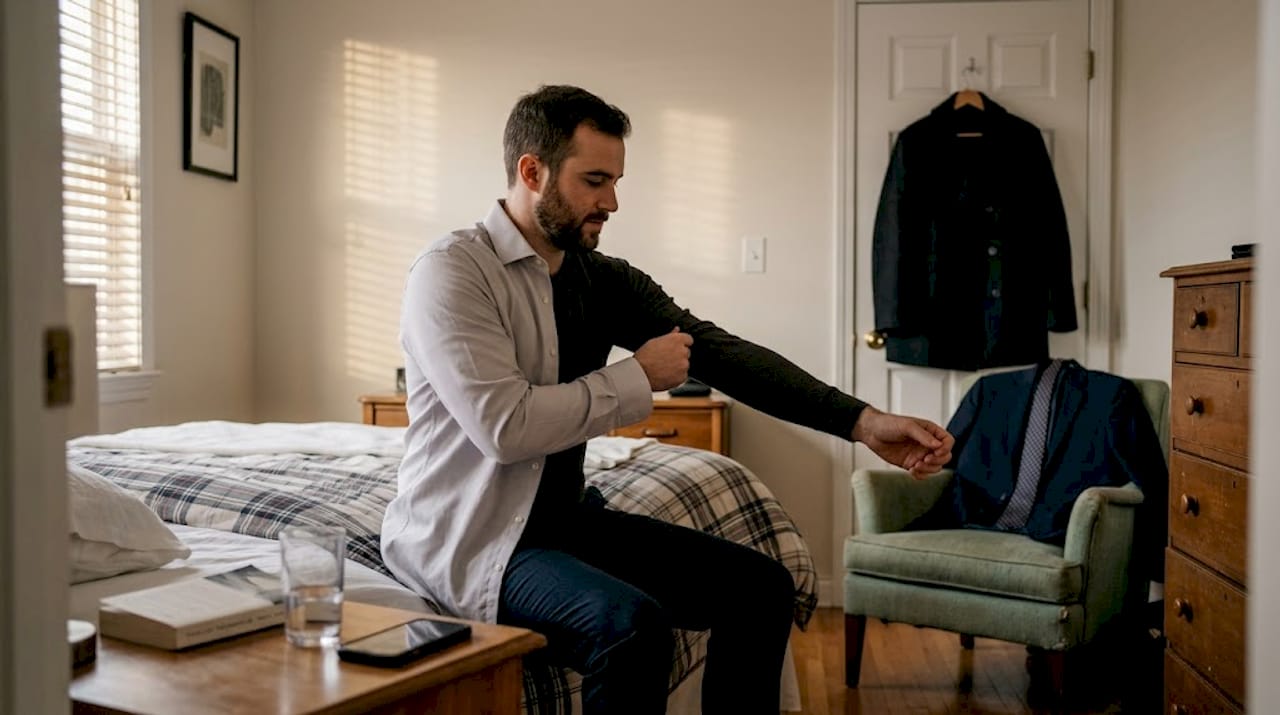
Step 2: Add your dress. Zip or button your formal gown over the base layer. Check in a full-length mirror that the underlayer isn’t peeking out at the neckline, hem, or sleeves. Adjust before moving on.
Step 3: Apply your mid-layer. Drape or put on your wrap, bolero, or blazer. Stand straight and check that the silhouette still reads as intentional. If your mid-layer adds more width than warmth, consider switching to a thinner option.
Step 4: Add accessories last. Gloves, scarves, and hair pieces go on after your clothing layers are set. This helps you gauge how much visual weight you’re already carrying before adding more.
Step 5: Do a movement test. Walk, sit, and raise your arms. If anything rides up, constricts your movement, or falls out of place, address it before you leave home. Comfort and elegance work together.
As strategic placement of underlayers and accessories confirms, layering doesn’t have to compromise your look at all. It’s about intentional choices, not afterthoughts. You can also find excellent inspiration for wrap dress layering if that silhouette is your starting point.
Pro Tip: Prioritize removable outer layers like wraps and coats so you can easily adjust when you move from a cold outdoor space into a heated ballroom without disturbing your full look.
On average, event attendees who plan their outerwear in advance report feeling significantly more comfortable and confident at winter formal events, and confidence is always the most visible thing you wear.
Common mistakes and troubleshooting: What to avoid
No look is perfect without learning from what can go wrong. Even well-intentioned layering decisions can backfire if you’re not watching for these specific pitfalls.
Top 5 mistakes that ruin winter formal layering:
- Visible underlayers: A nude thermal peeking out from a neckline or hem breaks the illusion immediately. Always check from all angles before leaving.
- Fabric clashes: Pairing a shiny satin dress with a matte cotton cardigan creates a jarring contrast. Match fabric finishes or use complementary textures deliberately.
- Overheating indoors: Wearing too many non-removable layers means you’re miserable the moment you step inside. Always plan for one easy layer to come off.
- Restrictive layering: A wrap tied too tightly or gloves that don’t allow you to hold a glass comfortably are functional failures, not just style ones.
- Over-accessorizing: Adding a bold necklace, statement earrings, a thick scarf, and embellished gloves all at once creates chaos. Pick one focal point.
Wearing incompatible textures or over-accessorizing can undermine both warmth and elegance simultaneously, which is why editing your look before you walk out the door is non-negotiable.
For itchy fabrics, the solution is simple: always wear a smooth base layer underneath anything made of wool or rough-textured materials. Your skin will thank you after a four-hour event.
If you feel restricted in your layers, the problem is usually fit, not quantity. A well-fitting wrap moves with you. A too-small bolero locks your shoulders. Invest in pieces that actually fit your body.
A note of caution: The goal of layering is balance, not maximum warmth at any cost. If adding a piece makes you feel less like yourself or ruins the line of your dress, it’s not worth keeping. Fashion and function should always work as partners, not competitors.
For a deeper look at putting it all together with intention, the formal chic style tips and signature formal style guide are both worth bookmarking.
Why less is more: Our take on winter formalwear layering
Conventional fashion advice says: when in doubt, add another layer. We disagree. After years of watching beautifully chosen gowns get buried under unnecessary wraps, bulky coats, and mismatched accessories, we’ve come to believe that the best winter formal looks are built around restraint, not excess.
The magic number is three. A base layer, your dress, and one outer piece. That’s usually all you need to stay warm and look deliberate. Every additional item you introduce increases the risk of visual clutter and reduces the impact of your original dress choice.
A wardrobe capsule approach supports this philosophy perfectly. When you own a small collection of versatile, high-quality pieces, mixing and layering becomes effortless because everything is designed to work together. You’re not scrambling to make things match the night before the event.
Our honest advice: when you’re standing in front of the mirror and something feels like too much, it probably is. Trust that instinct. Edit down, not up. The most memorable winter formal looks we’ve seen are the ones where the dress still gets to be the star.
Find your perfect winter layers at DressMeUpNY
Ready to build your own winter formal layering look from the ground up? You deserve pieces that make the process feel easy and the result look effortless.

At DressMeUpNY, you’ll find a curated selection of formal gowns, elegant wraps, velvet blazers, and winter-approved accessories that are designed to work beautifully together. Whether you’re heading to a winter wedding, a holiday gala, or a formal dinner, the right pieces are already waiting for you. Browse the full collection, filter by occasion, and discover combinations that make layering feel like the most stylish decision you’ll make this season. Expert style inspiration is built into every page.
Frequently asked questions
What fabrics are best for layering winter formal outfits?
Velvet and satin are excellent choices because they trap heat while maintaining a polished, formal appearance. Cashmere is another top pick for wraps and cardigans because it delivers exceptional warmth at a surprisingly light weight.
How do I layer without looking bulky at a formal event?
Start with a thin, fitted base layer and build upward with one mid-layer that complements your dress’s silhouette. Layering creates insulation without bulk when you prioritize fit and fabric weight over the number of pieces.
Are shawls or wraps better for winter formalwear?
Both work beautifully depending on your dress’s neckline and your personal comfort. Strategic placement of underlayers and outer accessories is what determines whether either option looks polished or thrown-together.
What accessories complete a winter formal look?
Elegant gloves, embellished hair accessories, and textured scarves all add warmth without sacrificing style. Key winter accessories like these elevate your formalwear while covering the areas most vulnerable to cold.
Recommended
- How to layer formal outfits: elegant styling for events - DressMeUpNY
- Winter Gala Dinner Dresses: Elegance Meets Seasonal Style - DressMeUpNY
- 2 Piece Formal Wear: Style, Versatility, and Impact - DressMeUpNY
- Building a Wardrobe Capsule for Special Occasions - DressMeUpNY