
Find Your Signature Style for Formal Events Step-by-Step
Find Your Signature Style for Formal Events Step-by-Step
Most American shoppers admit to feeling unsure about what truly suits them at formal events. Choosing an outfit goes beyond trends or expectations—it is a reflection of your unique personality, confidence, and style. With so many choices and dress codes to navigate, the path to elevating your look starts with understanding your preferences and learning how to put each piece together for a flawless ensemble.
Table of Contents
- Step 1: Assess Your Personal Fashion Preferences
- Step 2: Evaluate Event Requirements And Dress Codes
- Step 3: Explore Dress Silhouettes And Fabrics
- Step 4: Select Colors That Highlight Your Features
- Step 5: Incorporate Accessories To Express Your Style
- Step 6: Test Your Look For Comfort And Confidence
Quick Summary
| Key Insight | Explanation |
|---|---|
| 1. Assess Your Fashion Preferences First | Identify your personal style by evaluating your wardrobe and seeing which colors and silhouettes resonate with you. |
| 2. Understand Event Dress Codes | Check invitations for specific dress codes to ensure your outfit meets event expectations and is appropriate for the occasion. |
| 3. Choose Flattering Dress Silhouettes and Fabrics | Select dress shapes and materials that enhance your body type and ensure comfort while complementing the formality of the event. |
| 4. Pick Colors that Suit You | Choose colors that flatter your skin tone and convey your desired mood for the event, considering psychological impacts as well. |
| 5. Test for Comfort and Confidence | Ensure your outfit allows for easy movement and makes you feel confident; bring a trusted friend for feedback during the trial. |
Step 1: Assess Your Personal Fashion Preferences
Discovering your signature style for formal events begins with a deep understanding of your personal fashion preferences. This crucial step helps you select outfits that not only look stunning but also make you feel confident and authentic.
Personal style is more than just clothing selection it reflects your inner personality and emotional landscape. Clothing practices reveal significant insights into individual characteristics and how you perceive yourself. Start by examining your current wardrobe and identifying patterns in colors, silhouettes, and designs that consistently attract you. Do you gravitate toward structured blazers or flowing dresses? Are you drawn to bold prints or solid elegant tones?
To effectively assess your preferences, create a visual mood board using images from fashion magazines or online platforms. Include colors that energize you, outfit styles that make you feel powerful, and silhouettes that complement your body shape. Pay attention to how different clothing makes you feel not just how they look. Understanding how clothing impacts self perception can transform your approach to personal style.
Pro tip: Experiment with different styles during your assessment. Take photos of yourself in various outfits to objectively analyze what truly makes you feel confident. Remember that personal style is a journey of self discovery not a rigid set of rules.
Step 2: Evaluate Event Requirements and Dress Codes
Understanding event dress codes is crucial for selecting the perfect formal outfit. This step helps you navigate the nuanced world of event attire and ensure you look appropriate and confident.
Every formal event has specific dress code expectations that guide your outfit selection. White tie events represent the most stringent and traditional formal dress standards, representing the pinnacle of sophisticated attire. Different events demand different levels of formality ranging from black tie and cocktail to business formal and semi formal. Decoding dress codes for various special occasions requires careful attention to the invitation details and event context.
To evaluate event requirements effectively, carefully examine the invitation for explicit dress code instructions. Look for keywords like black tie, cocktail, formal, or semi formal. If no specific dress code is mentioned, consider the event type weddings typically require more formal attire than corporate gatherings and research the venue and time of day. Evening events generally demand more sophisticated outfits compared to daytime gatherings.
Pro tip: When in doubt, it is always better to be slightly overdressed than underdressed. Ask the event host or organizer if you are uncertain about the expected attire. Your goal is to respect the event atmosphere while feeling comfortable and confident in your chosen outfit.
Step 3: Explore Dress Silhouettes and Fabrics
Selecting the right dress silhouette and fabric is essential for creating a stunning formal look that flatters your body and suits the event. This step will help you navigate the intricate world of dress styles and materials.
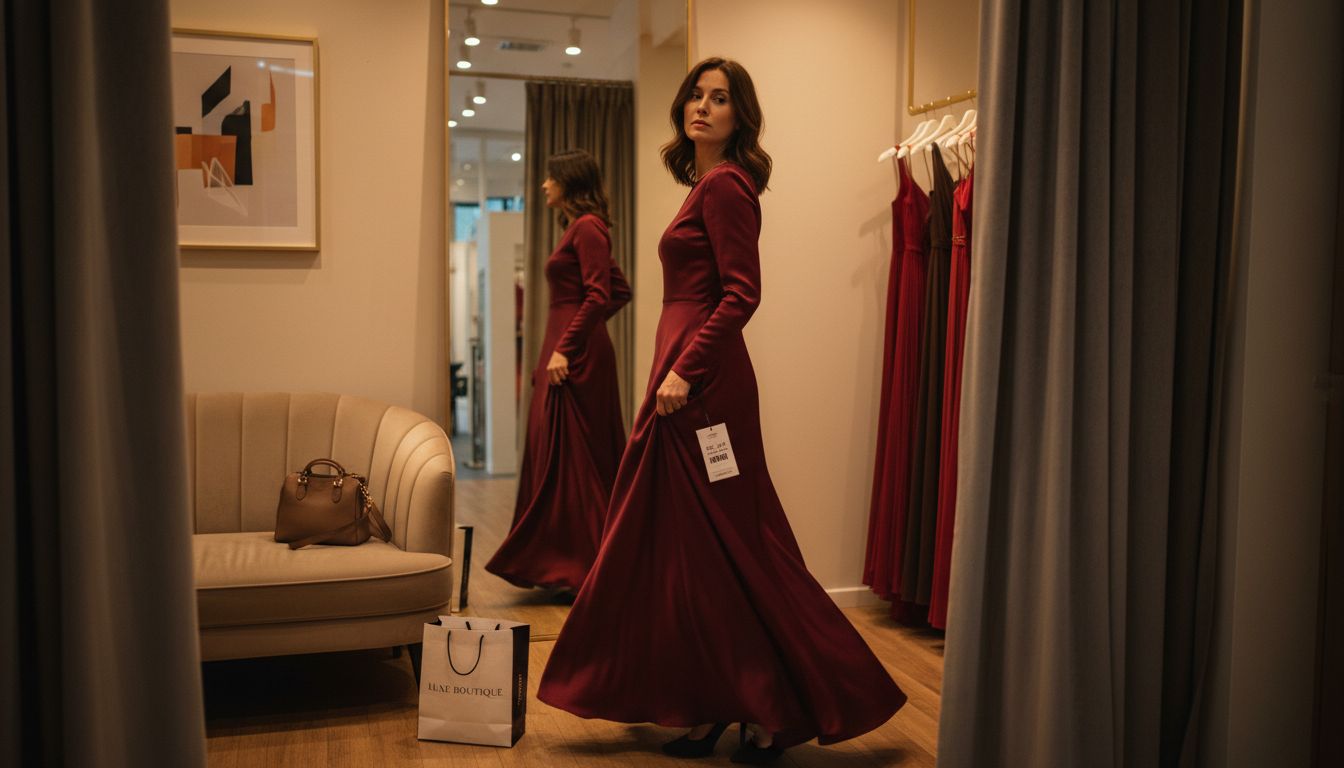
Research on female consumers’ clothing preferences reveals that body shape plays a critical role in selecting the most flattering dress silhouettes. Understanding your body type is key to choosing a dress that enhances your natural proportions. Understanding dress styles for different body types can transform your approach to formal wear. Consider popular silhouettes like A-line dresses that work well for most body shapes or sheath dresses that create a sleek streamlined look.
Fabric selection is equally important as the dress shape. Different materials create varied visual effects and comfort levels. Silk and satin offer luxurious shine perfect for evening events, while chiffon provides a soft ethereal appearance. Structured fabrics like brocade work well for more formal occasions, whereas lightweight materials like georgette are ideal for less formal events. Pay attention to how different fabrics drape on your body and reflect light.
Pro tip: Always try on dresses in person when possible. Photographs and online images cannot fully capture how a specific silhouette and fabric will look and feel on your unique body. Move around in the dress to ensure comfort and check how the fabric behaves in different lighting conditions.
Step 4: Select Colors That Highlight Your Features
Choosing the right colors for your formal event dress can dramatically enhance your natural beauty and boost your confidence. This step will guide you through understanding color selection that makes you look and feel extraordinary.
Enclothed cognition reveals how clothing colors can profoundly influence psychological perception, making color selection more than just a visual choice. Understanding color analysis helps you identify shades that complement your skin tone, hair color, and eye color. Warm skin undertones typically look best in earthy tones like golden yellows, rich oranges, and warm reds. Cool undertones shine in jewel tones such as sapphire blue, emerald green, and deep purples.
Consider the psychological impact of your color choices. Expectancy violations theory suggests that unexpected color selections can create unique social interactions, potentially making you stand out in a memorable way. When selecting your dress color, think about the event atmosphere and your personal style. Bright colors communicate confidence and energy, while muted tones suggest sophistication and elegance.
Pro tip: Natural lighting is the best way to test color compatibility. Hold fabric swatches or potential dress colors near your face in daylight to see how they interact with your skin tone. What looks stunning in a store mirror might appear completely different in natural light.
Step 5: Incorporate Accessories to Express Your Style
Accessories are the secret weapon that transforms a beautiful dress into a stunning ensemble that reflects your unique personality. This step will help you strategically select accessories that elevate your formal event look.
Personalized outfit generation models demonstrate how individual accessory choices significantly enhance overall fashion recommendations. Understanding how to accessorize dresses involves balancing statement pieces with your dress style and event atmosphere. Statement jewelry can create dramatic focal points while delicate pieces offer subtle sophistication. Choose jewelry that complements your dress color and neckline silver tones work beautifully with cool color palettes while gold accessories harmonize with warm undertones.
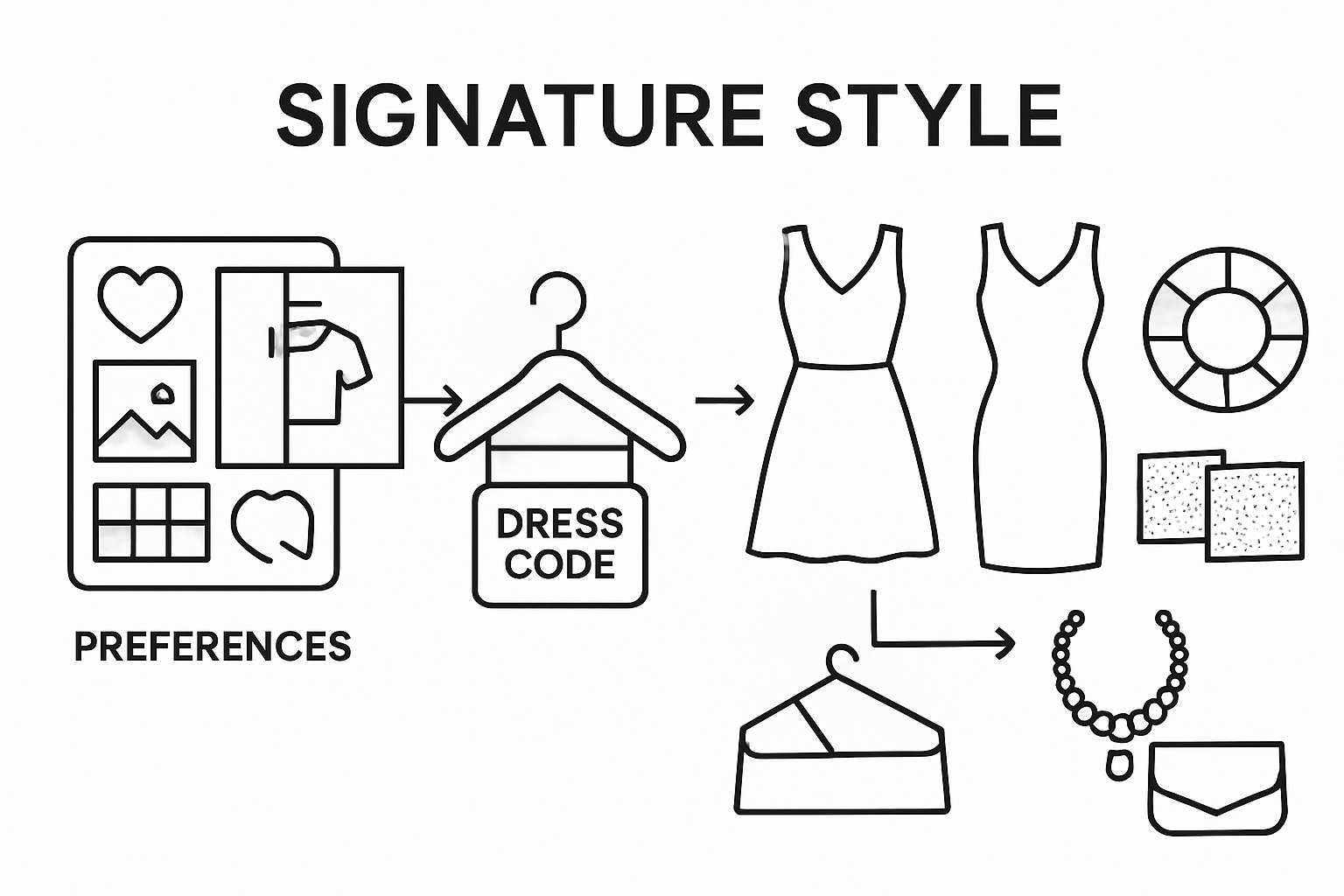
Accessory selection goes beyond visual appeal it communicates your personal narrative. Interpretable outfit recommendation research highlights the critical role accessories play in fashion compatibility, suggesting that thoughtful accessorizing can transform an ordinary outfit into an extraordinary statement. Consider your event context clutches and structured handbags work well for formal events, while delicate evening bags suit more elegant occasions. Match your shoes to your accessories for a cohesive look but avoid being too matchy perfect.
Pro tip: Always try accessories with your dress before the event. Some pieces that look amazing individually might disrupt the overall balance of your outfit. Take photos to see how everything works together and make adjustments accordingly.
Step 6: Test Your Look for Comfort and Confidence
The final stage of creating your signature style involves ensuring your carefully selected outfit makes you feel not just beautiful but completely confident. This critical step transforms your dress from a mere garment to a powerful expression of your personality.
Research on attire and emotional expressions demonstrates how clothing directly influences first impressions and personal perception. Dressing for confidence at special events requires more than aesthetic considerations it demands a holistic approach to comfort and self assurance. Move in your dress perform simple actions like sitting walking and raising your arms to ensure unrestricted movement. Check how the fabric feels against your skin and whether any areas create discomfort or require constant adjustment.
Garment recommendation systems highlight the importance of balancing user preferences with social expectations, suggesting that true confidence emerges when you feel both physically comfortable and socially appropriate. Evaluate how your accessories complement your dress and whether they enhance or detract from your overall look. Take photographs from multiple angles to understand how your outfit presents itself in different perspectives and lighting conditions.
Pro tip: Bring a trusted friend to your final outfit trial who can provide honest feedback about fit comfort and overall impression. Sometimes an external perspective can help you see details you might have missed.
Elevate Your Formal Style with Confidence Today
Finding your signature style for formal events means overcoming the challenge of selecting the perfect dress that fits your unique preferences, flatters your figure, and matches the event’s dress code. If you have struggled with choosing flattering silhouettes, discovering the right colors for your skin tone, or accessorizing to express your personality confidently this is your moment to make style effortless and enjoyable.
At Dress Me Up NY, we understand the importance of feeling empowered and comfortable in your formalwear. Whether you are searching for stunning evening gowns, elegant wedding guest dresses, or exclusive designer collections our wide variety of carefully curated dress categories supports every step of your style journey.
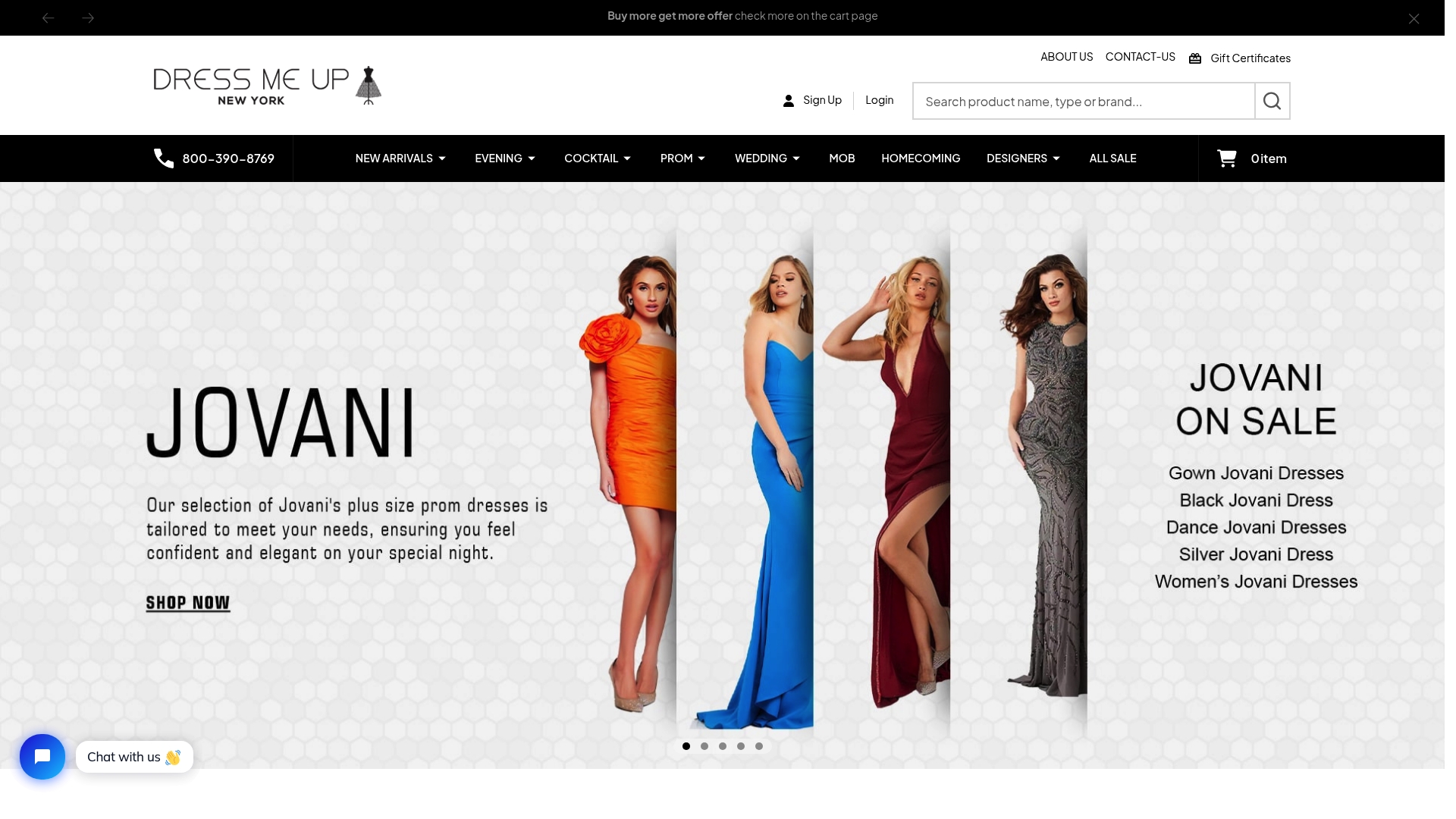
Explore sophisticated styles that suit your body shape and event needs with our user-friendly browsing, and enjoy exclusive offers that make dressing for your special occasion more rewarding. Start crafting your confident look today by visiting Dress Me Up NY and unlock your signature style with ease and grace.
Frequently Asked Questions
How can I assess my personal fashion preferences for formal events?
To assess your personal fashion preferences, start by examining your current wardrobe and identifying patterns in colors, silhouettes, and designs that attract you. Create a visual mood board with outfits, colors, and styles that energize you, which helps clarify what truly resonates with your personal style.
What should I consider when evaluating event dress codes?
When evaluating event dress codes, carefully examine the invitation for specific instructions like “black tie” or “cocktail.” Research the type of event and its context to decide on an appropriate outfit, remembering that it’s usually better to be slightly overdressed than underdressed.
How do I choose the right dress silhouette and fabric for my body type?
To choose the right dress silhouette and fabric, understand your body type and consider styles that enhance your proportions, such as A-line or sheath dresses. Experiment with different fabrics to see how they drape and feel, ensuring comfort for your formal event.
What colors should I select for my formal dress to highlight my features?
Select colors that complement your skin tone, hair color, and eye color to enhance your natural beauty. Test fabric colors in natural light to see how they interact with your skin, as choosing the right color can significantly influence your confidence and overall appearance.
How can I effectively incorporate accessories into my formal look?
Incorporate accessories by balancing statement pieces with your dress style, considering how they complement your outfit color and neckline. Test different combinations to see which accessories enhance or detract from your overall look, ensuring everything works harmoniously before the event.
How do I test my final outfit for comfort and confidence?
To test your final outfit for comfort and confidence, move freely in the dress, performing actions like sitting and walking to ensure it doesn’t restrict you. Bring a trusted friend to provide feedback on fit and overall impression, giving you a fresh perspective on your look.
Recommended
- Building a Wardrobe Capsule for Special Occasions - DressMeUpNY
- How to Find Stunning Formal Wear on a Budget - DressMeUpNY
- How to Match Dress Shoes for Your Next Formal Event - DressMeUpNY
- How to Match Dresses with Shoes for Every Formal Event - DressMeUpNY
- Créez une tenue de bal inoubliable avec Valetta.fr !