
Formal Evening Wear for Ladies: Style Rules That Matter
Formal Evening Wear for Ladies: Style Rules That Matter
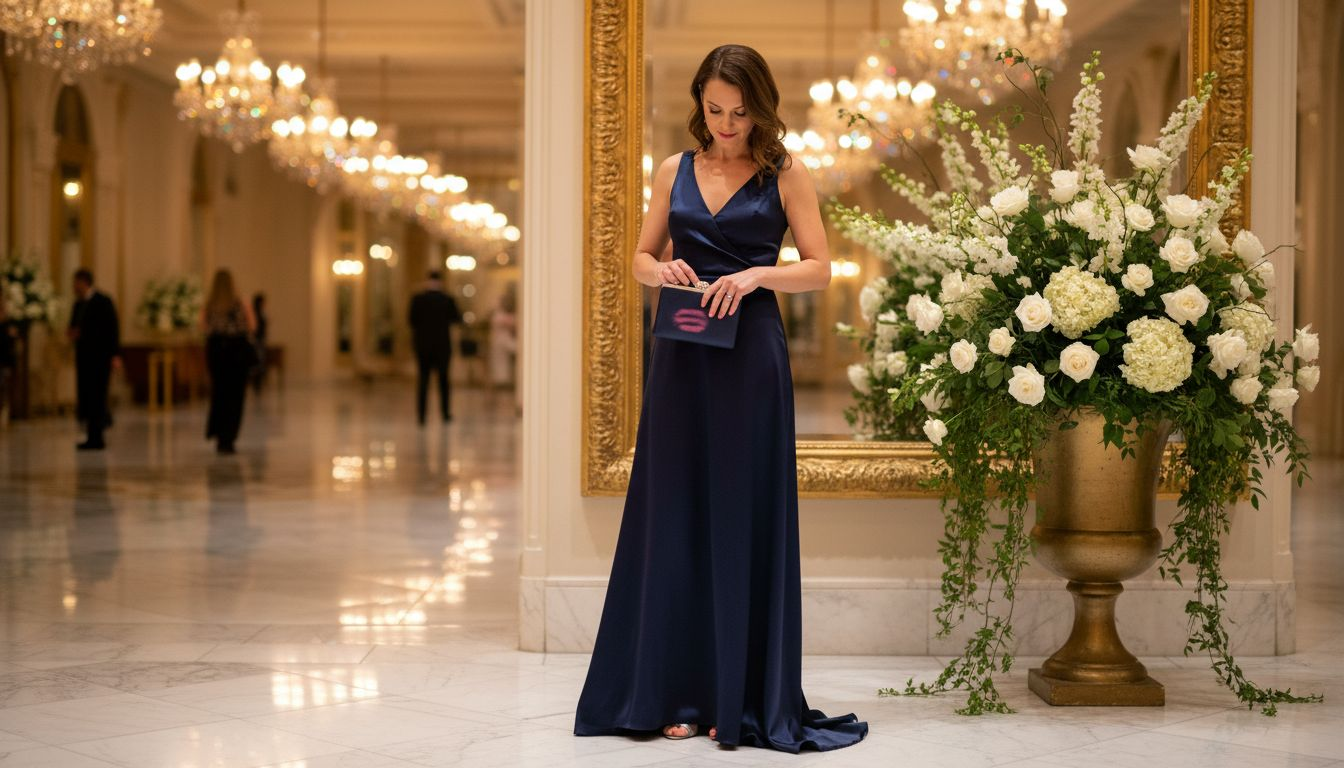
Walking into a formal event, whether it’s a lavish wedding or a grand gala in Paris or New York, instantly raises the question of what truly defines unforgettable style. For women who blend trendsetting tastes with timeless elegance, understanding formal evening wear is key to looking polished and feeling confident all night. This guide reveals the art of selecting gowns, fabrics, and accessories that speak to both personal expression and the highest style conventions at the world’s most prestigious gatherings.
Table of Contents
- Defining Formal Evening Wear For Ladies
- Dress Code Levels And Event Types
- Popular Gown Styles And Fabrics
- Key Accessories And Styling Essentials
- Etiquette, Common Mistakes, And Faux Pas
Key Takeaways
| Point | Details |
|---|---|
| Formal evening wear defines sophistication. | Evening gowns represent elegance, traditionally made from luxurious fabrics and designed for high-profile events. |
| Choosing the right dress code is essential. | Understanding the event’s dress code, from white tie to smart casual, ensures that your attire aligns with expectations. |
| Accessorizing enhances the overall look. | Accessories should complement the gown, emphasizing sophistication without overwhelming the ensemble. |
| Avoid common etiquette mistakes. | Pay attention to dress length, fit, and proper accessorizing to maintain a polished appearance in formal settings. |
Defining Formal Evening Wear for Ladies
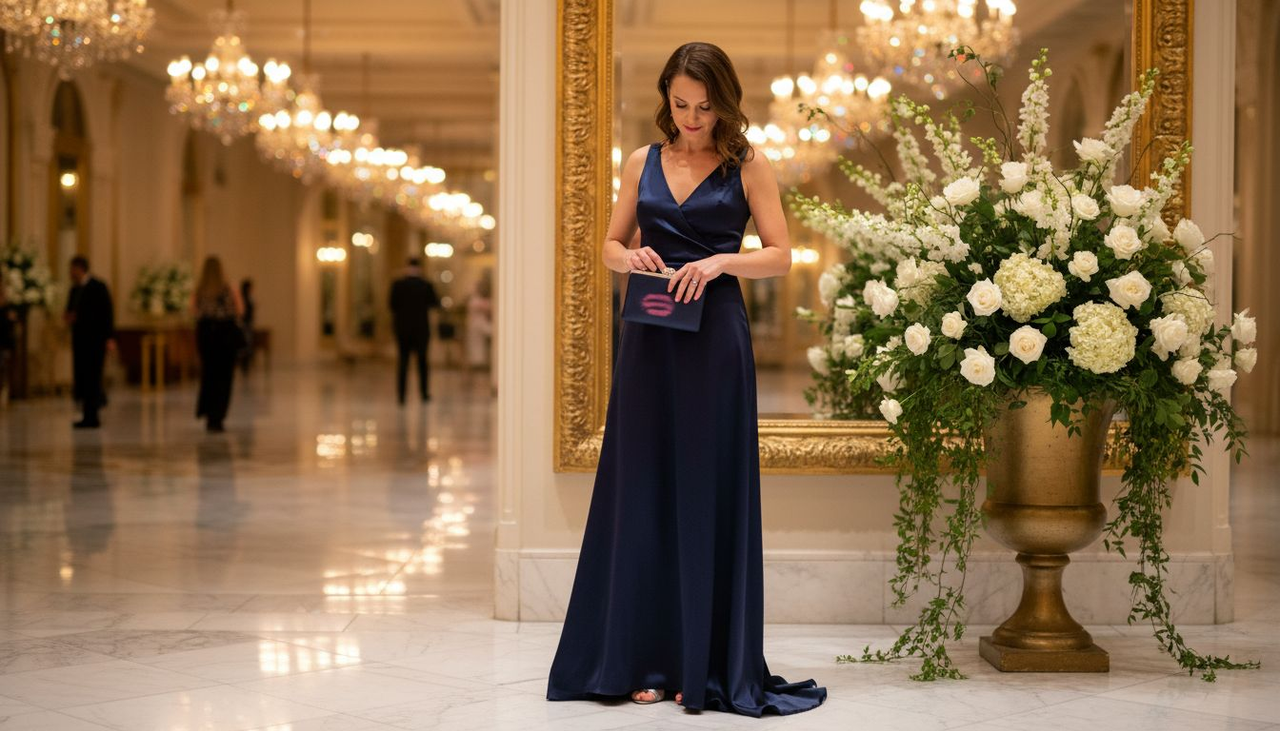
Formal evening wear represents more than just clothing - it’s a sophisticated expression of personal style and social elegance. When we talk about evening gowns, we’re referring to long, exquisite dresses traditionally worn to high-profile events like galas, weddings, and formal dinners.
Essentially, formal evening wear encompasses full-length dresses crafted from luxurious fabrics that embody grace and refinement. These garments typically extend from mid-calf to floor-length, designed to make a statement while adhering to specific style conventions. The hallmarks of exceptional evening wear include:
- Elegant, floor-sweeping hemlines
- Premium fabric selections like chiffon, satin, and velvet
- Sophisticated silhouettes such as A-line, mermaid, and ball gown styles
- Refined detailing including embellishments, beadwork, and intricate embroidery
Historically, evening gowns trace their roots to royal court attire, evolving through centuries to represent social status and personal sophistication. Modern interpretations offer women incredible diversity in design, allowing personal expression while maintaining core principles of formal elegance.
Distinguishing Characteristics:
- Full-length design
- Luxurious fabric composition
- Structured or flowing silhouettes
- Appropriate for high-end social gatherings
Formal evening wear is not just about the dress - it’s about creating a complete, polished look that communicates confidence and sophistication.
When selecting a formal evening gown, understanding the nuanced dress code requirements becomes crucial. Different events demand varying levels of formality, from black-tie galas to elegant dinner parties.
Pro tip: Always consider the specific event, venue, and invited guests when choosing your formal evening wear to ensure you strike the perfect balance between personal style and event-appropriate elegance.
Dress Code Levels And Event Types
Navigating the complex landscape of formal evening wear requires understanding the nuanced dress code hierarchy for different events. Each social occasion demands a specific level of formality, ranging from white tie to casual, with precise expectations for attire and accessories.
Dress Code Levels Explained:
- White Tie: Absolute highest level of formality
- Black Tie: Formal evening events
- Cocktail Attire: Semi-formal gatherings
- Business Formal: Professional events
- Smart Casual: Less structured social occasions
While white tie represents the most stringent dress code, requiring full-length evening gowns and elaborate accessories, black tie events offer slightly more flexibility. Black tie typically calls for floor-length gowns or sophisticated cocktail dresses that exude elegance and refinement.
Here’s a quick reference for dress code levels and their ideal gown choices:
| Dress Code Level | Gown Length | Typical Accessories | Color Palette |
|---|---|---|---|
| White Tie | Floor-length | Opera gloves, tiara | Deep jewel tones |
| Black Tie | Full-length or midi | Statement jewelry, elegant clutch | Classic or metallic hues |
| Cocktail Attire | Knee to midi | Bold jewelry, small bag | Vibrant or subdued colors |
| Business Formal | Conservative midi | Modest jewelry, structured bag | Neutral or dark shades |
| Smart Casual | Midi or chic separates | Minimal jewelry, stylish shoes | Pastels or modern prints |
Event-Specific Dress Code Considerations:
- Weddings: Varies based on venue and time of day
- Galas: Typically demand high-end formal wear
- Corporate Events: Require professional yet stylish selections
- Theater Performances: Often call for sophisticated evening attire
Selecting the appropriate dress is about understanding the event’s context and communicating respect through your sartorial choices.
Professional settings require particularly careful dress code navigation, where your outfit can significantly impact professional perceptions. Different events demand nuanced interpretations of formality, making it crucial to research and understand specific dress expectations.
Pro tip: Always confirm the specific dress code with event hosts or invitations, and when in doubt, err on the side of being slightly more formal rather than underdressed.
Popular Gown Styles And Fabrics
Formal evening wear celebrates diversity through an array of stunning silhouettes and luxurious fabric choices. The perfect gown is a harmonious blend of style, comfort, and personal expression, with each design telling a unique sartorial story.
Classic Gown Silhouettes:
- A-Line: Universally flattering, fitted at the waist and gradually widening
- Mermaid: Dramatically hugs curves, flaring dramatically at the hem
- Sheath: Sleek and form-fitting, creating an elegant vertical line
- Ball Gown: Dramatic full skirt with fitted bodice
- Trumpet: Fitted through bodice and hips, flaring softly at the knee
The selection of fabric plays a crucial role in defining a gown’s character. Emerging 2025 formal dress trends showcase an exciting mix of traditional and contemporary fabric choices that elevate evening wear to an art form.
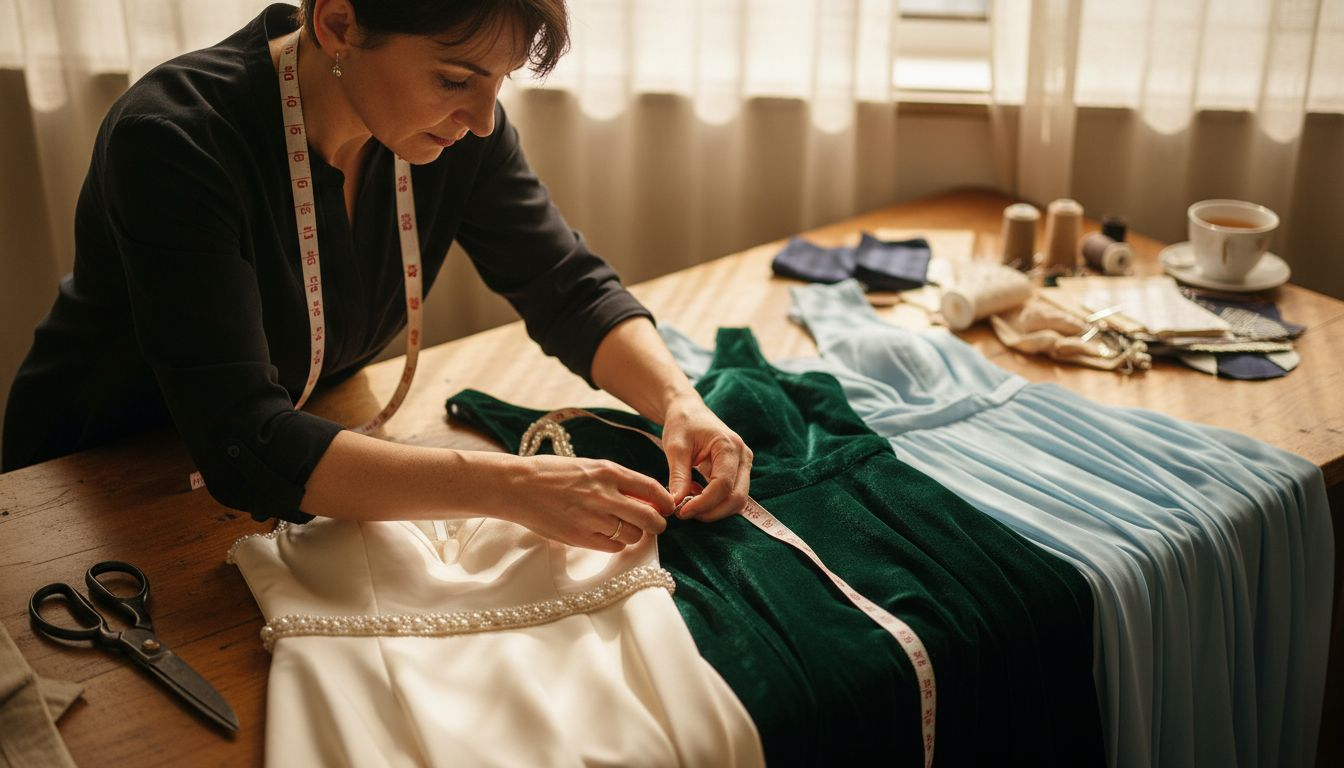
Compare popular evening gown silhouettes for key advantages and style considerations:
| Silhouette | Best Body Type | Movement Comfort | Statement Factor |
|---|---|---|---|
| A-Line | Universal, all shapes | High | Subtle elegance |
| Mermaid | Hourglass, curvy | Moderate | Dramatic effect |
| Sheath | Slim, athletic | Moderate | Sleek impression |
| Ball Gown | Tall, balanced | Lower | Fairy tale impact |
| Trumpet | Slender, curvy | Moderate | Modern drama |
Premium Fabric Selections:
- Silk: Timeless elegance and smooth drape
- Satin: High-shine, luxurious finish
- Velvet: Rich texture with dramatic depth
- Chiffon: Lightweight and ethereal
- Crepe: Sophisticated matte finish
The right fabric can transform a simple silhouette into a breathtaking statement piece.
Modern evening wear embraces versatility, with designers introducing innovative elements like asymmetrical necklines, strategic cutouts, and convertible designs. Color palettes are expanding beyond traditional blacks and whites, incorporating jewel tones and metallic hues that add vibrancy and personality.
Pro tip: When selecting your gown, prioritize how the fabric moves with your body and complements your personal style - comfort and confidence are the ultimate accessories.
Key Accessories And Styling Essentials
Accessorizing a formal evening gown requires precision and strategic selection to elevate your ensemble’s sophistication. The right accessories transform a beautiful dress into an extraordinary statement of personal style and elegance.
Essential Accessories Checklist:
- Evening Gloves: Ranging from wrist to opera length
- Statement Jewelry: Carefully selected pieces that complement, not overwhelm
- Elegant Clutch: Small, structured bag matching dress tone
- Dress Shoes: High heels in coordinating color
- Delicate Hairpieces: Optional subtle embellishments
The art of accessorizing lies in creating balance and harmony. Formal event styling requires subtle sophistication, where each element should enhance without creating unnecessary distraction.
Jewelry Selection Guidelines:
- Match metal tones with dress color
- Consider neckline when selecting necklaces
- Balance statement pieces with understated elegance
- Ensure comfort and ease of movement
Accessories are the silent storytellers of your ensemble, speaking volumes about your personal style and understanding of occasion.
Choosing the right accessories demands thoughtful consideration of the event’s formality, your personal aesthetic, and the gown’s specific design. Minimalistic approaches often yield the most sophisticated results, allowing your dress to remain the focal point.
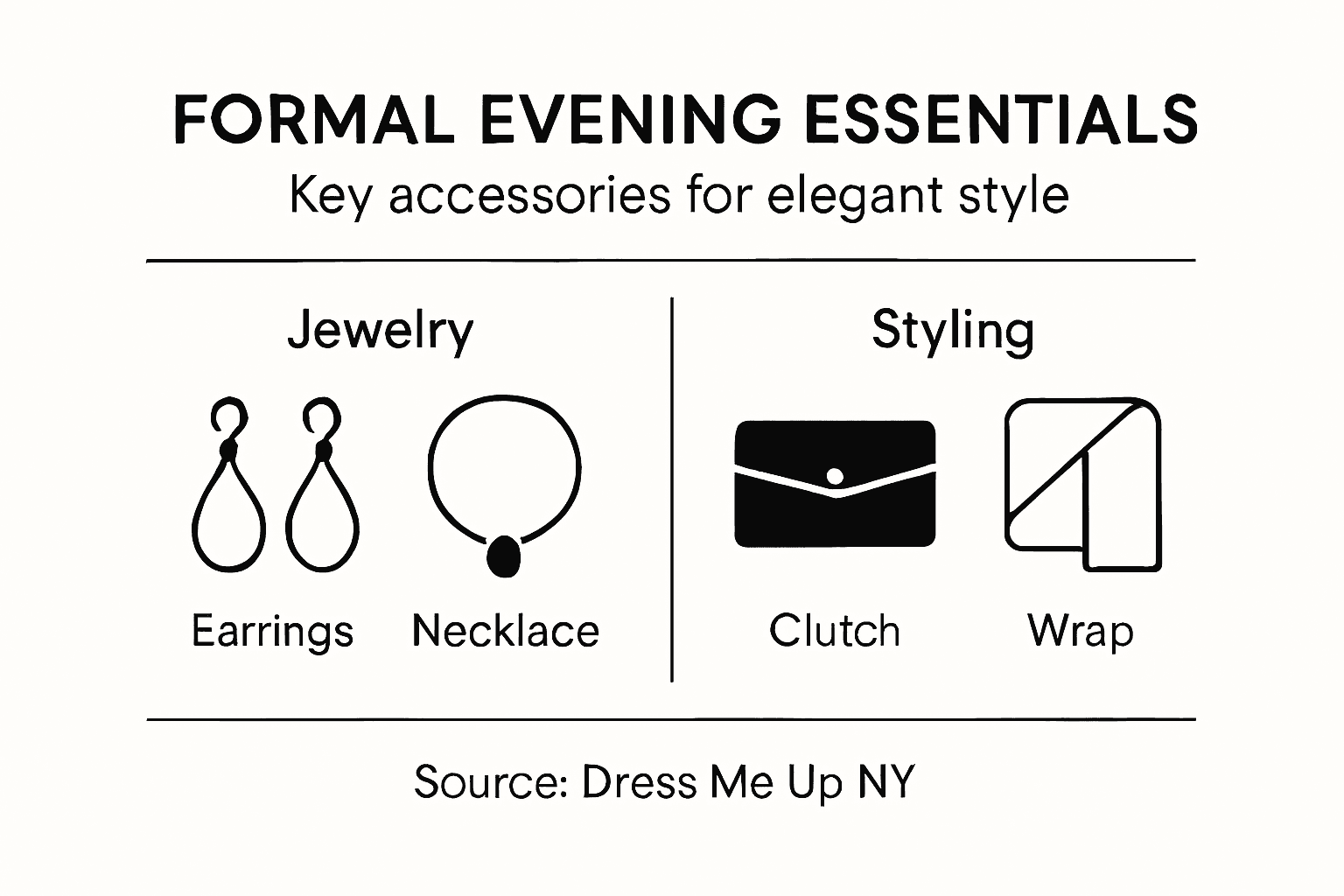
Pro tip: Always do a full ensemble trial run before the event, ensuring each accessory works harmoniously and provides both comfort and confidence.
Etiquette, Common Mistakes, And Faux Pas
Mastering formal evening wear involves more than selecting a beautiful dress - it requires understanding the nuanced social expectations surrounding elegant attire. Each event presents a unique set of unwritten rules that can make or break your sophisticated appearance.
Classic Etiquette Mistakes to Avoid:
- Wearing inappropriate dress length
- Over-accessorizing
- Neglecting dress code specifications
- Choosing uncomfortable shoes
- Displaying poor posture
Understanding the subtle art of clothing presentation matters tremendously. Your outfit communicates volumes about your social awareness and respect for the occasion’s formality.
Potential Faux Pas Categories:
- Dress Code Violations
- Inappropriate Accessorizing
- Fit and Tailoring Issues
- Color and Style Mismatches
- Comfort and Movement Restrictions
Elegance is not about wearing an expensive dress, but understanding how to wear it with grace and confidence.
Professional events demand especially careful consideration. A misinterpreted dress code can potentially undermine your professional image, making it crucial to research and understand specific event expectations before selecting your ensemble.
Pro tip: Always keep a neutral, classic blazer or wrap in your arsenal to quickly adjust your outfit’s formality if unexpected situations arise.
Elevate Your Look with Perfect Formal Evening Wear from Dress Me Up NY
Finding the ideal gown that respects dress code rules while matching your unique style can be challenging. This article highlights the importance of selecting the right silhouette, fabric, and accessories to create a polished, confident appearance for any formal event. Whether you need a floor-length dress for a white tie gala or a sophisticated black tie ensemble, understanding these style essentials helps you avoid common mistakes and express elegance effortlessly.
Discover a curated collection of exquisite evening gowns and special occasion dresses at Dress Me Up NY. Our wide selection caters to every formal event, offering luxurious fabrics, flattering silhouettes, and the latest trends designed to fit your needs perfectly. Don’t wait to transform your formal wardrobe with ease and confidence. Explore our new arrivals today and take advantage of exclusive offers like free shipping on select orders. Step into the spotlight at your next event with style and grace.
Frequently Asked Questions
What is considered formal evening wear for ladies?
Formal evening wear for ladies typically includes full-length gowns made from luxurious fabrics like chiffon, satin, and velvet. These dresses are designed for high-profile events and emphasize elegance and sophistication.
How do I choose the right evening gown for a specific dress code?
To choose the right evening gown, understand the dress code requirements for the event. For white tie events, opt for floor-length gowns, while black tie allows for floor-length or elegant cocktail dresses. Researching the specific event can help you select an appropriate gown.
What are the most popular gown silhouettes for formal events?
Popular gown silhouettes for formal events include A-line, mermaid, sheath, ball gown, and trumpet styles. Each silhouette flatters different body types and creates unique looks, allowing for personal expression in formal attire.
What accessories should I consider for formal evening wear?
Essential accessories for formal evening wear include evening gloves, statement jewelry, an elegant clutch, dress shoes, and delicate hairpieces. Choosing accessories that complement your gown is crucial for achieving a polished and sophisticated look.
Recommended
- Types of Formal Dresses for Women: Style Choices That Impress - DressMeUpNY
- Timeless Modest Evening Gowns: Glamour for Every Party Dress Code - DressMeUpNY
- Evening Gowns Wedding: Choosing Elegant Formalwear - DressMeUpNY
- What is Formal Attire? Understanding the Essentials - DressMeUpNY