
Types of Formal Dresses for Women: Style Choices That Impress
Types of Formal Dresses for Women: Style Choices That Impress
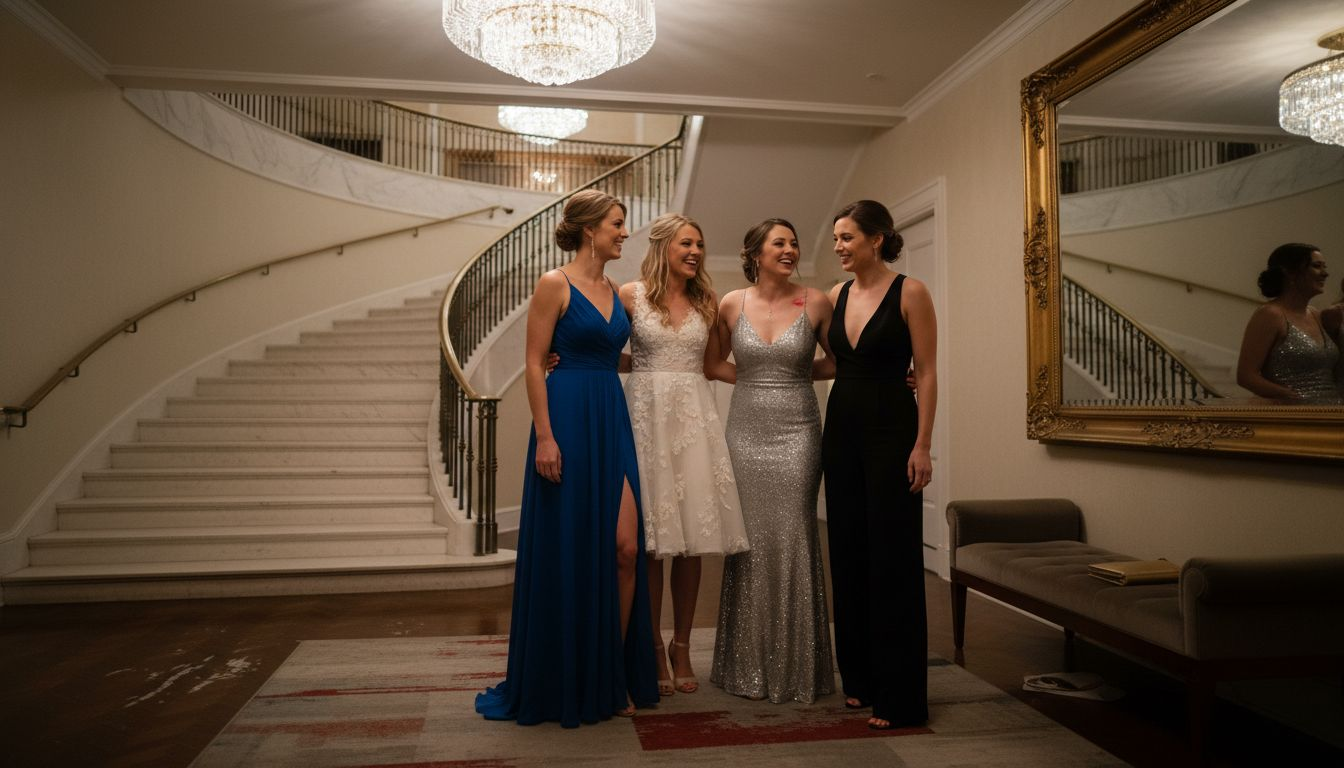
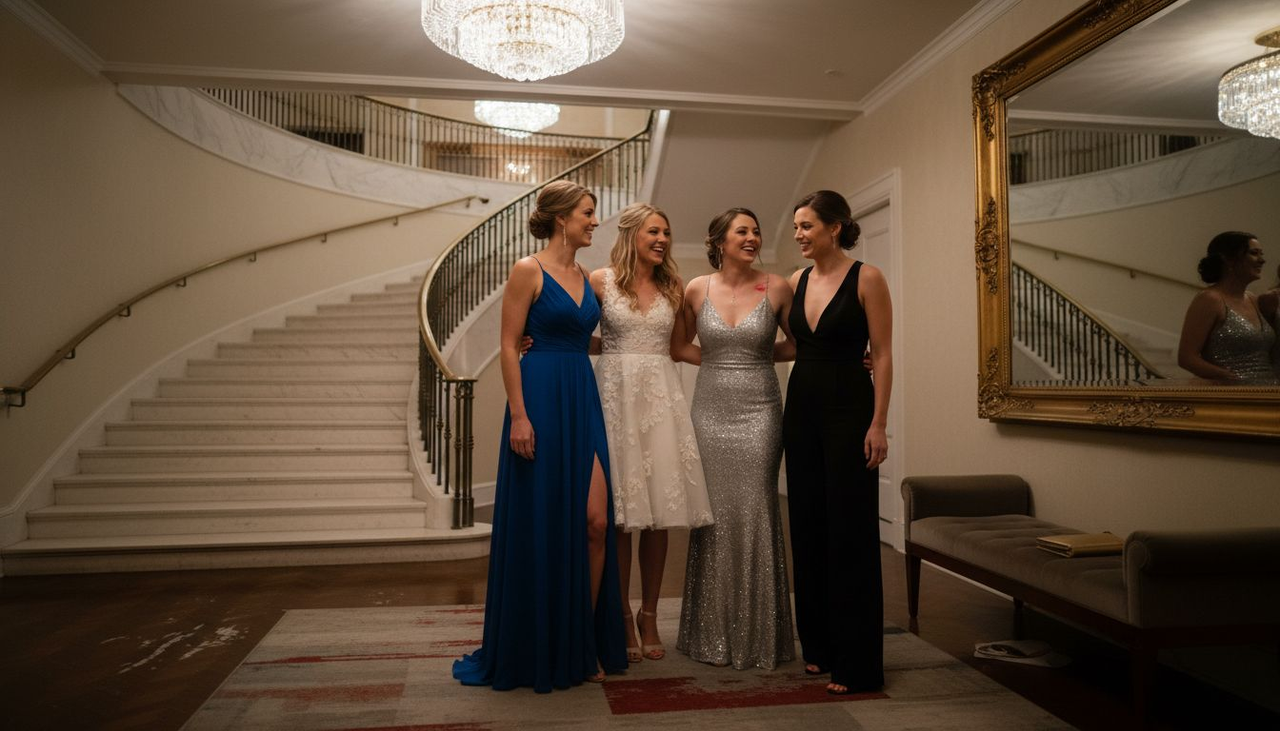
Finding the perfect formal dress for prom or a wedding can feel overwhelming with so many styles and trends from Paris to New York influencing your choices. Events like these expect more than just a pretty outfit—they call for a look that expresses both confidence and respect for tradition. This guide highlights what truly defines a formal dress, explains classic silhouettes and modern trends, and helps you balance elegance with affordability while still embracing your unique style.
Table of Contents
- What Defines A Formal Dress For Women
- Classic Formal Dress Types Explained
- Modern Trends In Women’s Formalwear
- Choosing The Right Dress For Your Event
- Common Formal Dress Shopping Mistakes
Key Takeaways
| Point | Details |
|---|---|
| Understand Dress Codes | Recognizing specific dress code requirements is crucial to avoid being overdressed or underdressed for an event. Always check your invitation carefully for details. |
| Choose the Right Silhouette | Different formal dress types like sheath, A-line, and ball gowns serve various occasions and body types. Try multiple silhouettes to find what flatters you best. |
| Prioritize Fit Over Appearance | A stunning dress on the hanger may not work if it doesn’t fit well. Ensure comfort and the right fit by trying on dresses and paying attention to measurements. |
| Plan Ahead for Comfort | Shop for your formal dress at least six to eight weeks before the event to allow for alterations and comfort adjustments. Consider accessories and shoes early to complete your look. |
What Defines a Formal Dress for Women
A formal dress for women goes far beyond simply wearing something fancy. It’s a carefully constructed garment designed to communicate elegance, respect for the occasion, and an understanding of social expectations. Formal wear represents the highest tier of dress codes, typically worn to events like weddings, galas, state dinners, and balls where tradition and sophistication matter most. For women, this means the dress itself becomes a statement about how seriously you take the event.
The defining characteristics of a formal dress include several key elements. Length is perhaps the most obvious marker, with full-length gowns being the standard for true formal occasions, though the specific length can vary depending on the event’s timing and location. The fabric choices matter equally, with materials like silk, satin, velvet, and tulle creating that refined appearance expected at formal events. The cut and silhouette should be structured and elegant rather than casual or playful, often featuring classic designs that won’t appear dated in photos. Color traditionally leans toward sophisticated palettes, though modern formal wear has expanded beyond black and white to include jewel tones, metallics, and deep colors. Proper finishing touches like appropriate footwear, minimal but elegant jewelry, and sometimes accessories like wraps or gloves complete the formal look. What you don’t include matters just as much as what you do, meaning trendy elements, casual fabrics, or overly experimental styles typically don’t align with formal dress requirements.
The context of the occasion determines specific expectations. A black-tie wedding requires different styling than a daytime formal event, just as a gala differs from a formal business function. Understanding the specific dress code requirements helps you choose a dress that’s appropriate rather than overdone or underdone. The timing of the event matters too, with evening formal events calling for different gown styles than afternoon formal occasions. Your age, body type, and personal style should guide your final selection while staying within formal dress boundaries, allowing you to feel confident and authentic rather than uncomfortable in a costume.
Pro tip: When shopping for a formal dress, check the event invitation for specific dress code language like “black tie” or “formal attire,” then choose a silhouette that flatters your frame while respecting the occasion’s formality level.
Classic Formal Dress Types Explained
When you think of formal dresses, certain silhouettes probably come to mind immediately. The most recognizable classic formal dress types have remained relatively consistent because they work, they flatter, and they communicate elegance without needing explanation. Evening gowns and ball gowns represent the cornerstones of formal wear for women, each with distinct characteristics that suit different occasions and personal preferences. Understanding the differences between these classic styles helps you choose a dress that not only looks stunning but feels right for your specific event.
Evening gowns are the most versatile of the classic formal dress types and come in several silhouettes. The sheath gown hugs your body in a sleek, form-fitting line, creating a sophisticated and modern appearance that works well for elegant dinners or cocktail-forward events. The A-line gown flares gently from the waist downward, providing comfort and movement while maintaining an elegant appearance, making it incredibly popular for weddings and galas. The mermaid silhouette fits snugly through the hips and thighs before flaring dramatically at the knee, creating a dramatic and glamorous effect that demands attention. Ball gowns take formal wear to another level with their voluminous full skirts and fitted bodices, representing the most theatrical and princess-like option. These gowns feature dramatic fabric volume, often created with layers of tulle, satin, or organza, and work beautifully for quinceañeras, formal weddings, and prestigious galas. The structured bodice paired with the flowing skirt creates that iconic hourglass silhouette that photographs beautifully.
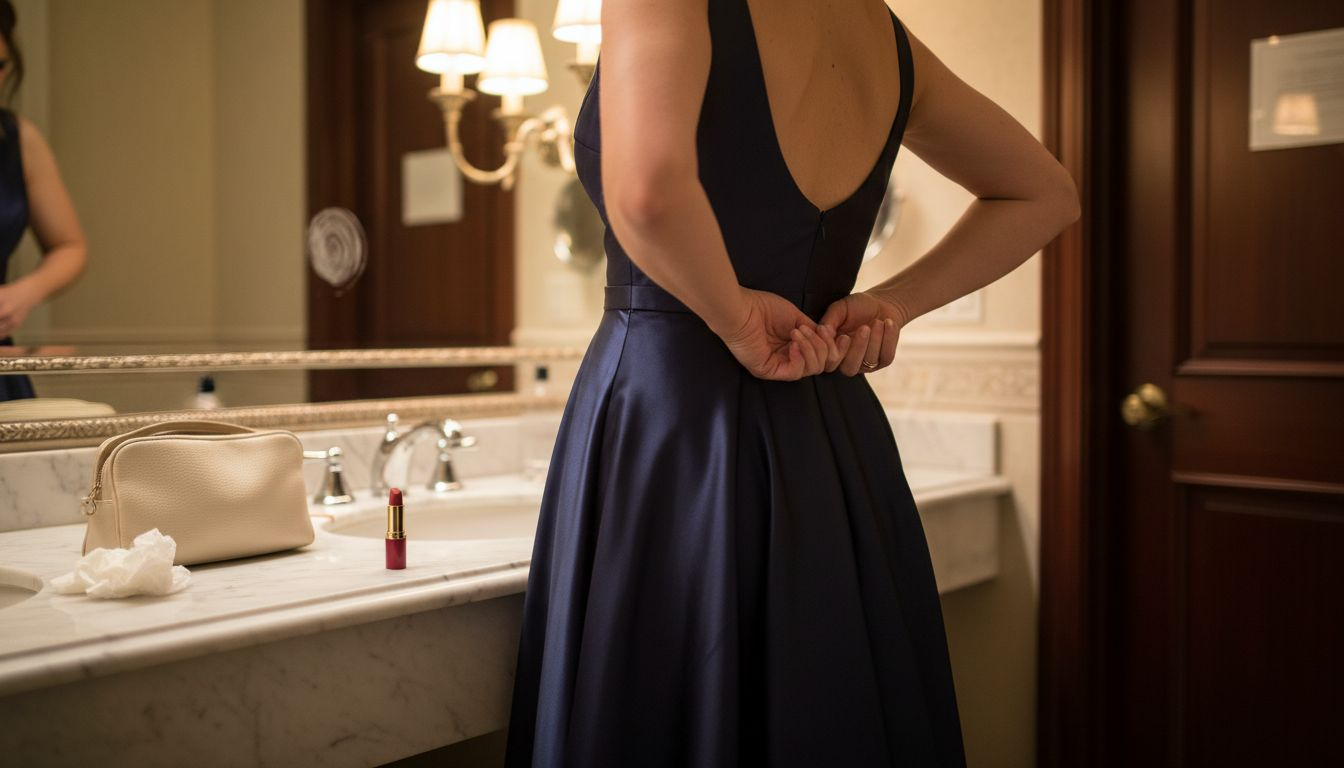
Here’s how popular formal dress silhouettes compare:
| Silhouette Type | Distinguishing Features | Best-Suited Occasions |
|---|---|---|
| Sheath Gown | Slim, body-skimming fit | Cocktail events, formal dinners |
| A-Line Gown | Flares gently from waist | Weddings, galas |
| Mermaid | Fitted through hips, flares at knees | High-glam events, red carpets |
| Ball Gown | Fitted bodice, full skirt | Balls, prestigious galas, quinceañeras |
Fabric choices define how each silhouette presents itself and how it moves. Luxurious materials like silk, satin, taffeta, and velvet create the refined appearance expected at formal occasions, while tulle and chiffon add ethereal qualities perfect for romantic or daytime formal events. The historical evolution of formal dress shows us how construction techniques like corseting and structured bodices have influenced modern formal gown design. Today’s formal dresses combine these classic construction methods with contemporary comfort and movement, so you can feel confident rather than constricted. Whether you choose an evening gown or a ball gown depends on the formality level of your event, your personal style, and how much dramatic flair you want to bring to the occasion.
Pro tip: Try on multiple silhouettes rather than assuming one style suits you best, since the way a dress moves and drapes on your body matters more than what looks good on a hanger.
Modern Trends in Women’s Formalwear
Formal fashion isn’t stuck in the past anymore. Today’s women’s formalwear reflects a complete shift in what elegance means, moving away from rigid rules toward personal expression and comfort. Modern fashion increasingly embraces nostalgia from the late 1970s through 2000s, blending vintage silhouettes with contemporary sensibilities that actually let you breathe and move. This evolution matters for you because it means finding a formal dress no longer requires sacrificing personality or comfort for tradition.
The biggest shift you’ll notice is the rise of bold colors and unexpected details in formal wear. Gone are the days when formal meant exclusively black, navy, or traditional jewel tones. Deep emerald, rich burgundy, chocolate brown, and even blush and champagne shades dominate modern formal collections. Designers are experimenting with dramatic necklines, asymmetrical cuts, statement sleeves, and creative cutouts that would have seemed too casual for formal events just a few years ago. Sustainability and ethical fashion have also become central to modern formalwear, with designers using recycled fabrics, eco-conscious production methods, and timeless designs meant to last beyond a single event. This matters if you care about your environmental impact without sacrificing style.
Another significant trend is the blending of maximalism and minimalism within the same dress. You might see a sleek, minimalist silhouette paired with ornate beading or luxe fabric textures that create visual interest without clutter. Microtrends driven by social media mean formal fashion changes rapidly, with new styles gaining momentum weekly through platforms like Instagram and TikTok. Gender-fluid fashion approaches have also influenced women’s formalwear, introducing borrowed-from-menswear elements like tailored jackets, wider lapels, and structured silhouettes. Versatility matters now too, with many women seeking formal pieces that transition between events or can be styled multiple ways. Two-piece formal options, dresses with removable elements, and adaptable lengths give you flexibility to create different looks from a single purchase. The modern approach to formalwear prioritizes your individual style, comfort level, and values while maintaining the sophistication expected at formal occasions.
Here’s a summary contrasting traditional and modern formalwear trends:
| Aspect | Traditional Formalwear | Modern Formalwear |
|---|---|---|
| Color Palette | Black, navy, jewel tones | Emerald, blush, creative hues |
| Fabrics | Satin, velvet, tulle | Eco-friendly, recycled blends |
| Details | Simple, classic cuts | Statement sleeves, asymmetry |
| Versatility | Single-event focus | Multi-event adaptability |
Pro tip: Check social media platforms and fashion blogs for trending formal dress styles in your age range to see how real people are styling modern formal wear for events similar to yours.
Choosing the Right Dress for Your Event
Selecting the perfect formal dress starts with understanding what the event actually requires. Dress codes like white tie, black tie, and semi-formal dictate how formal your dress needs to be, and this single detail makes the difference between looking appropriately elegant and being overdressed or underdressed. A white tie event demands the most theatrical formal wear, typically a full-length ball gown with dramatic silhouettes, while a black tie event allows for more flexibility in evening gown styles. Semi-formal occasions give you even more creative freedom with shorter lengths, bolder colors, and modern silhouettes. Before you start shopping, check your invitation carefully for the specific dress code mentioned. If nothing is specified, ask the host directly or check the event’s website for guidance. This five-minute step saves you from guessing and potentially buying the wrong dress.
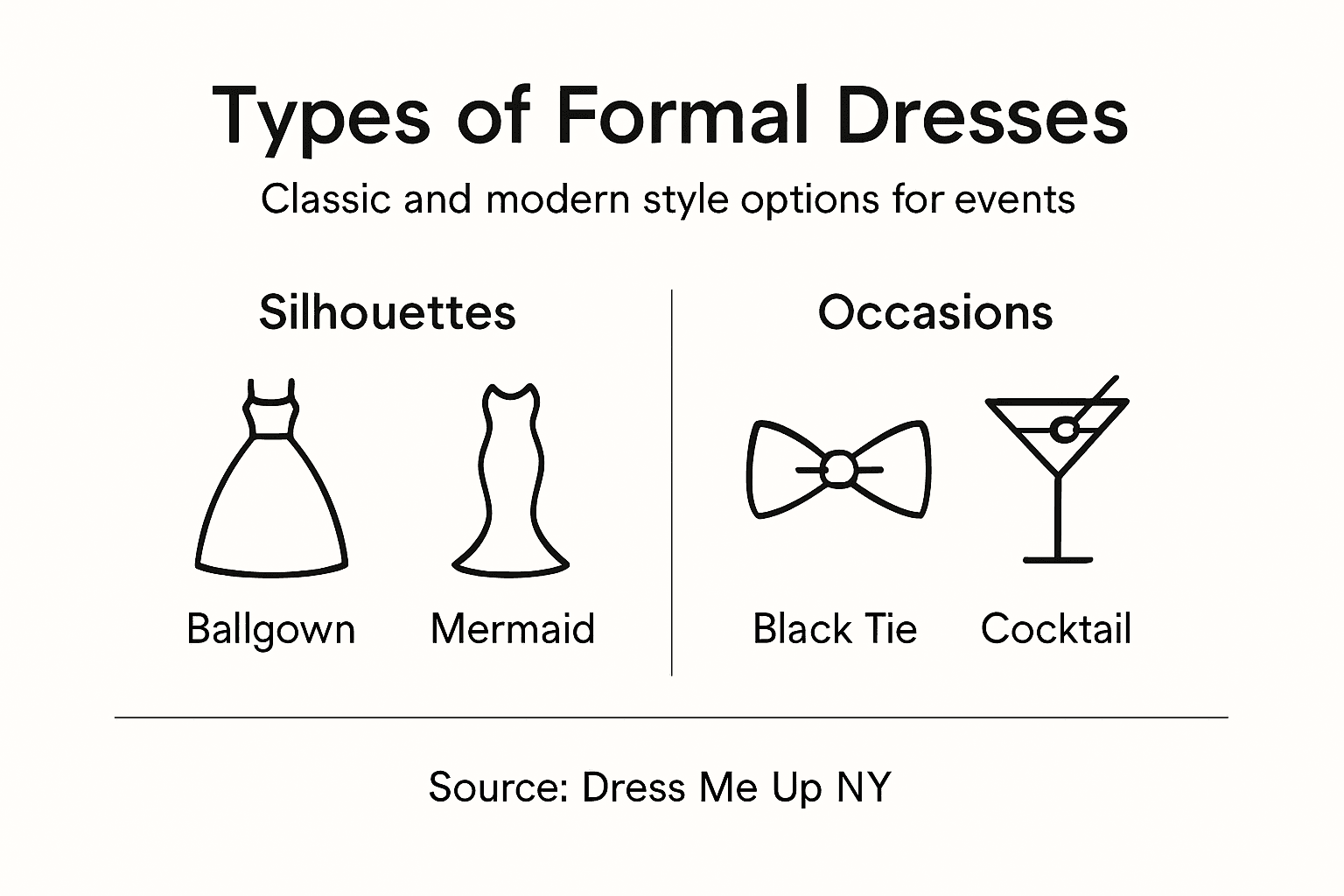
Once you know the formality level, consider the event’s timing and season. Daytime formal events like morning weddings or luncheons call for different dress choices than evening galas. An afternoon wedding might feature shorter formal dresses or lighter fabrics in pastel shades, while an evening gala demands full-length gowns in deeper colors. The season matters too, as summer galas feel different from winter balls. A spring wedding might suit a light chiffon gown, while a winter formal calls for heavier fabrics like velvet or satin. Temperature also plays a practical role, so consider whether you need sleeves, a wrap, or a shawl to stay comfortable throughout the event. Selecting formal attire requires balancing fashion trends with formality principles, ensuring your dress feels appropriate for the specific occasion.
Your body type, personal style, and comfort level should guide your final choice. A dress that photographs beautifully means nothing if you spend the entire event adjusting it or feeling self-conscious. Try on multiple silhouettes and colors to discover what actually flatters you and makes you feel confident. Consider how much movement you need, whether you’ll be sitting for long periods, and if you feel comfortable in the neckline and sleeve style you choose. Think about your shoes and accessories early in the process, as these finishing touches change how a dress presents itself. Finally, if your budget is tight, remember that buying less expensive doesn’t mean buying poorly. Quality fabrics and construction matter more than designer names, and a well-fitting affordable dress outperforms an expensive one that doesn’t fit right.
Pro tip: Order or purchase your formal dress at least six to eight weeks before your event to allow time for alterations, returns, or reordering if needed.
Common Formal Dress Shopping Mistakes
Most people make at least one mistake when shopping for a formal dress, and understanding what those pitfalls are can save you time, money, and stress. The biggest error is buying a dress without considering the specific event’s requirements and dress code. You might fall in love with a gorgeous short sequined dress only to realize your black-tie wedding requires a full-length gown. Another critical mistake is prioritizing appearance over fit. A dress that looks stunning on the hanger means nothing if it doesn’t fit your body properly. Too-tight dresses restrict movement and create unflattering bunches, while oversized dresses drown your frame and look sloppy. Poor fit often leads to discomfort throughout the event, so always try on multiple sizes and styles to find what actually flatters you rather than assuming your typical size will work.
Another common mistake is choosing shoes without testing them first. You might purchase stunning heels that pinch your feet or make you walk awkwardly, ruining your confidence and posture all evening. Wear your formal shoes around your house for a few hours before the event to ensure they’re comfortable enough for hours of standing or dancing. Similarly, many women ignore grooming and accessories, assuming the dress does all the work. A beautifully fitted formal gown paired with messy hair or incomplete makeup looks unfinished. The opposite mistake is equally problematic: over-accessorizing or choosing accessories that clash with the dress’s style. A sleek modern gown paired with chunky costume jewelry looks confused, just as a romantic ball gown paired with minimal accessories feels incomplete. Budget mistakes happen too. Some women spend beyond their means on one expensive dress, while others buy the cheapest option available without considering quality. A moderately-priced dress made from quality fabric with good construction outlasts and outperforms cheap options that pill, fade, or fall apart after one wear.
One mistake specific to formal dress shopping is ignoring the importance of timing. Buying a dress two days before your event leaves no time for alterations, returns, or replacements if something goes wrong. Cleanliness and appropriate maintenance matter throughout the wearing process, so plan your purchase early enough to get dry cleaning or special care if needed. Many women also forget to consider the venue and weather. A sleeveless gown at an outdoor winter wedding leaves you freezing, while heavy velvet at a summer garden party makes you overheat. Finally, avoid buying based solely on Instagram posts or celebrity photos. A dress that looked perfect on someone else might not suit your body type, coloring, or personal style. Shop for yourself, not for social media validation.
Pro tip: Create a checklist before shopping: event dress code, venue, time of day, weather, and your comfort priorities, then stick to it instead of making impulse purchases.
Find Your Perfect Formal Dress and Impress with Every Style Choice
Choosing the right formal dress can feel overwhelming given the many styles, fabrics, and dress codes highlighted in “Types of Formal Dresses for Women: Style Choices That Impress.” You want a dress that fits the occasion, flatters your body shape, and reflects your personal style without sacrificing comfort or elegance. Whether you are deciding between a classic sheath gown or a dramatic ball gown, the challenge lies in matching the dress to your event’s formality and your unique preferences.
Dress Me Up NY understands these concerns by offering a wide variety of women’s formal dresses built to impress. From stunning evening gowns to versatile prom dresses, our collection empowers you to find elegant dresses crafted from luxurious fabrics and flattering cuts. We make browsing effortless so you can focus on what truly matters: selecting a dress where sophistication meets individuality.
Browse our elegant selections now and take advantage of special promotions like free shipping and buy-more-get-more deals to elevate your wardrobe with confidence. Don’t risk last-minute stress. Visit Dress Me Up NY today and find the formal dress that will make you feel poised and unforgettable at your next event.
Frequently Asked Questions
What defines a formal dress for women?
A formal dress for women is characterized by its length, fabric, cut, and overall elegance. Typically worn to significant events like weddings or galas, it includes details such as full-length gowns, luxurious materials, and minimal yet elegant accessories.
How do I choose the right silhouette for my body type?
To choose the right silhouette for your body type, try on different styles to see what flatters you best. Popular formal dress types like sheath, A-line, mermaid, and ball gowns each offer unique fits, so it’s essential to test how each looks and feels on you as well as consider your movement and comfort.
What are some modern trends in women’s formalwear?
Modern trends in women’s formalwear include bold colors, unexpected details, sustainability, and the blending of minimalist and maximalist styles. Designers are experimenting with creative necklines, asymmetrical cuts, and versatile two-piece outfits that accommodate different occasions.
What should I consider when selecting a formal dress for an event?
When selecting a formal dress, consider the dress code specified in the invitation, the event’s timing and season, your body type, and personal style. Additionally, think about comfort and how the dress will work with your accessories and shoes to ensure a cohesive and elegant look.
Recommended
- Plus Size Formal Dress Tips for Elegant Event Style - DressMeUpNY
- Understanding Plus Size Formal Dress Advice for Every Occasion - DressMeUpNY
- What is Formal Attire? Understanding the Essentials - DressMeUpNY
- Modest Formal Dress Ideas: Complete Style Guide - DressMeUpNY
- Create Luxurious Custom Embroidered Robes for Any Occasion – Lotus Linen