
Winter Formal Outfit Ideas for Women: 2026 Guide
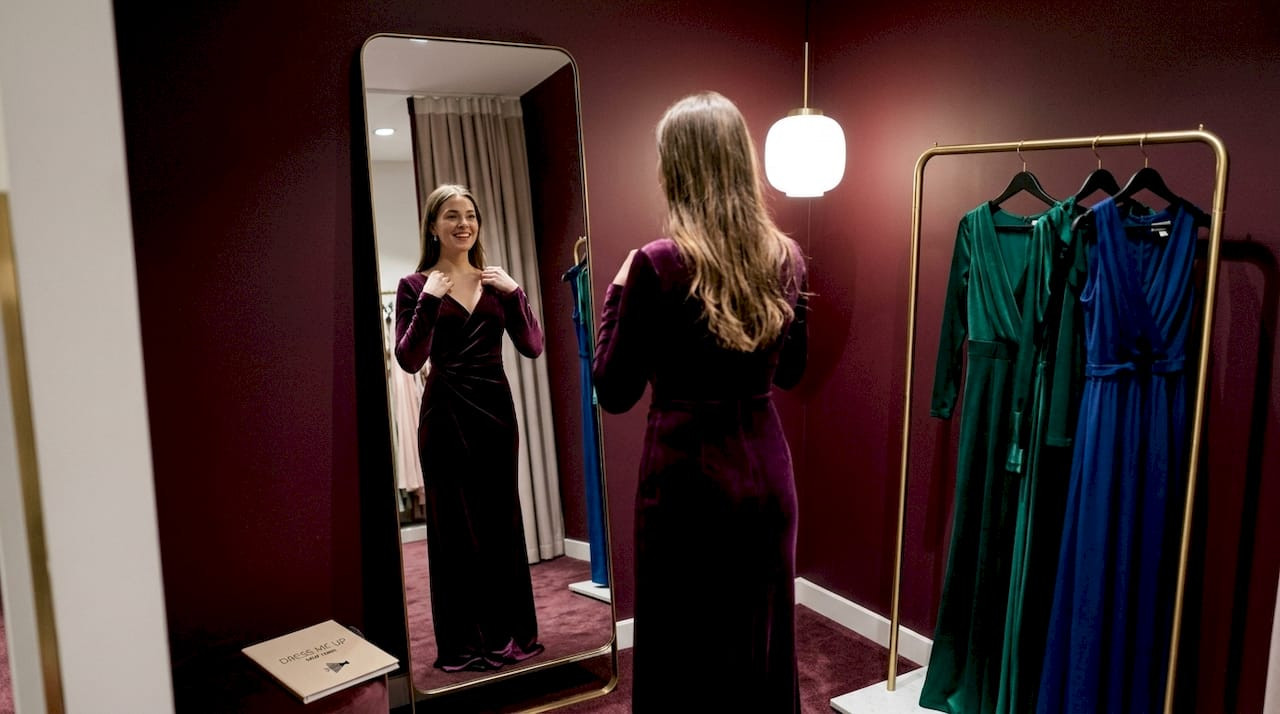
Winter Formal Outfit Ideas for Women: 2026 Guide
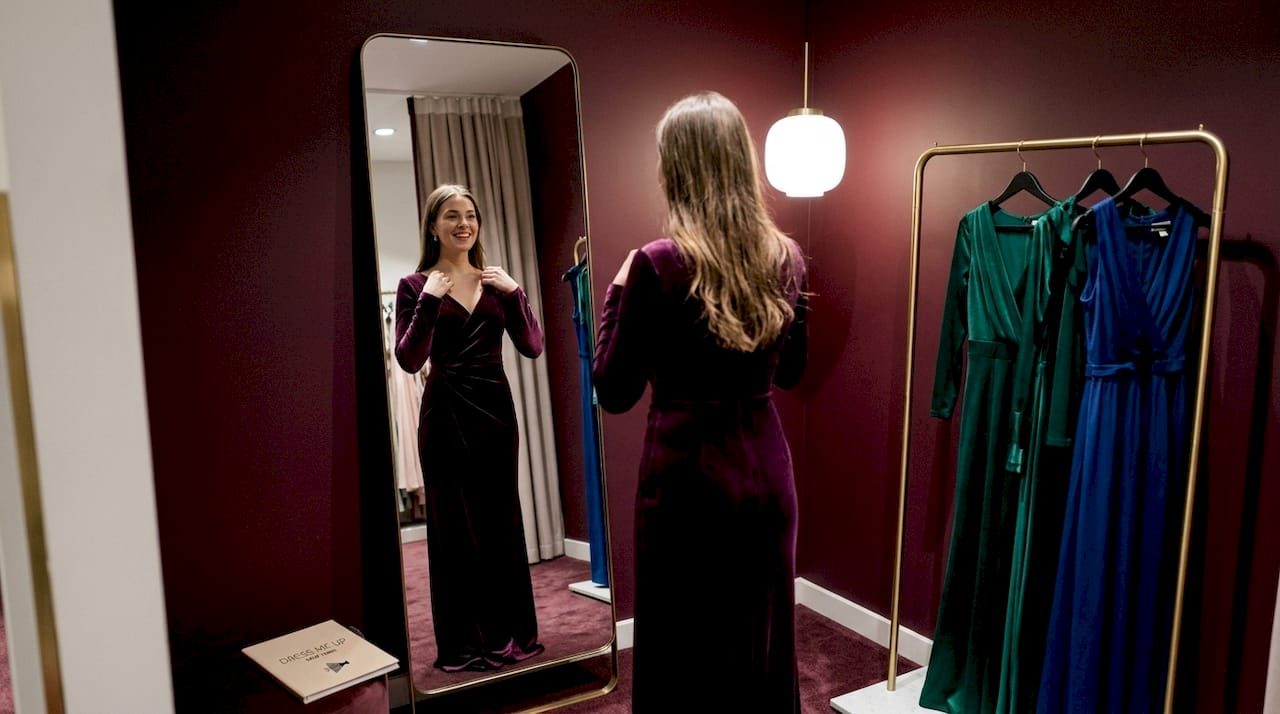
TL;DR:
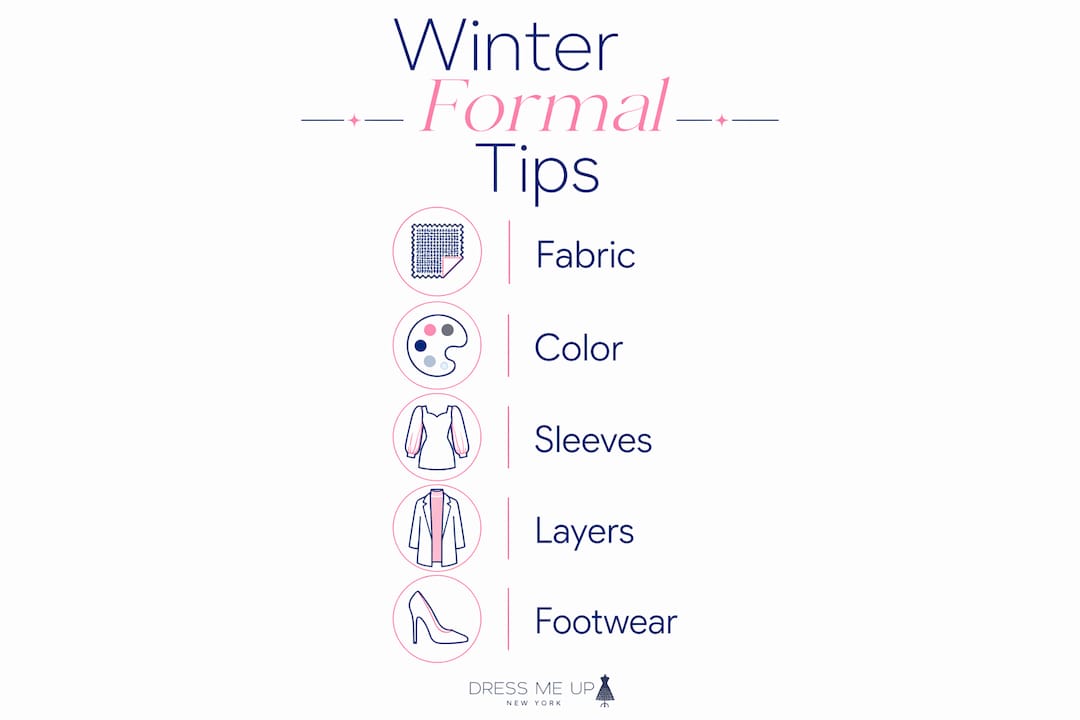
- Winter formal outfits should combine insulating fabrics like velvet or wool crepe with jewel tones or deep neutrals to remain elegant and warm. Long sleeves, full-length skirts, and strategic layering help maintain comfort from outdoor arrivals to indoor warmth. Choosing timeless, high-quality pieces and proper layering ensures both style and coziness for any winter event.
A formal outfit for winter is defined by the combination of warm, structured fabrics, seasonally rich colors, and deliberate layering that keeps you elegant from the parking lot to the dance floor. Cold-weather formal events demand more than a pretty dress. They require a complete strategy: the right material, the right silhouette, and the right layers to carry you through frigid temperatures without losing an ounce of polish. Whether you are dressing for a winter prom, a holiday gala, or a wedding reception in december, this guide covers every decision that matters.
What fabrics work best for a formal outfit in winter?
The best fabrics for winter formal wear combine thermal insulation with a refined drape. Wool crepe, cashmere blends, heavy silk velvet, and brocades are the top choices because they hold their shape, retain body heat, and photograph beautifully under event lighting. Lightweight chiffon and thin satin, by contrast, offer almost no insulation and can feel uncomfortable the moment you step outside.
Fabric weight matters as much as fiber content. A heavy silk velvet gown drapes with authority and traps warmth close to the body. Brocade, with its woven texture and density, adds visual interest while functioning as a natural insulator. Both fabrics signal occasion dressing in a way that thin polyester simply cannot.
Lining is where many women lose warmth without realizing it. Synthetic linings in formal gowns, including polyester and nylon, trap body heat effectively. This surprises many shoppers who assume natural fibers are always warmer. A fully lined velvet gown with a polyester interior layer outperforms an unlined cashmere dress in a cold venue.
Fabric care is also worth considering before you buy. Wool crepe and cashmere blends typically require dry cleaning, so factor that into your budget. Velvet needs careful storage to prevent crushing the pile. Brocade holds up well but should be steamed rather than ironed.
Pro Tip: When shopping for winter banquet dresses, run your hand across the interior of the dress. A fully lined garment with a smooth, dense lining will keep you noticeably warmer than one with a thin or partial lining.
- Wool crepe: Structured, warm, and wrinkle-resistant. Ideal for formal winter dance dresses.
- Heavy silk velvet: Rich texture, excellent drape, strong thermal retention.
- Cashmere blends: Soft, insulating, and refined. Best for cocktail-length winter formals.
- Brocade: Dense woven fabric with built-in pattern and warmth. A strong choice for winter ball gowns.
What color palettes work best for winter formal occasions?
Jewel tones are the defining color story of winter formal dressing. Deep burgundy, emerald green, sapphire blue, and plum align with the season’s aesthetic and carry the visual weight that formal occasions demand. These hues photograph well in low-light ballroom settings and complement the rich fabrics that winter formalwear calls for.
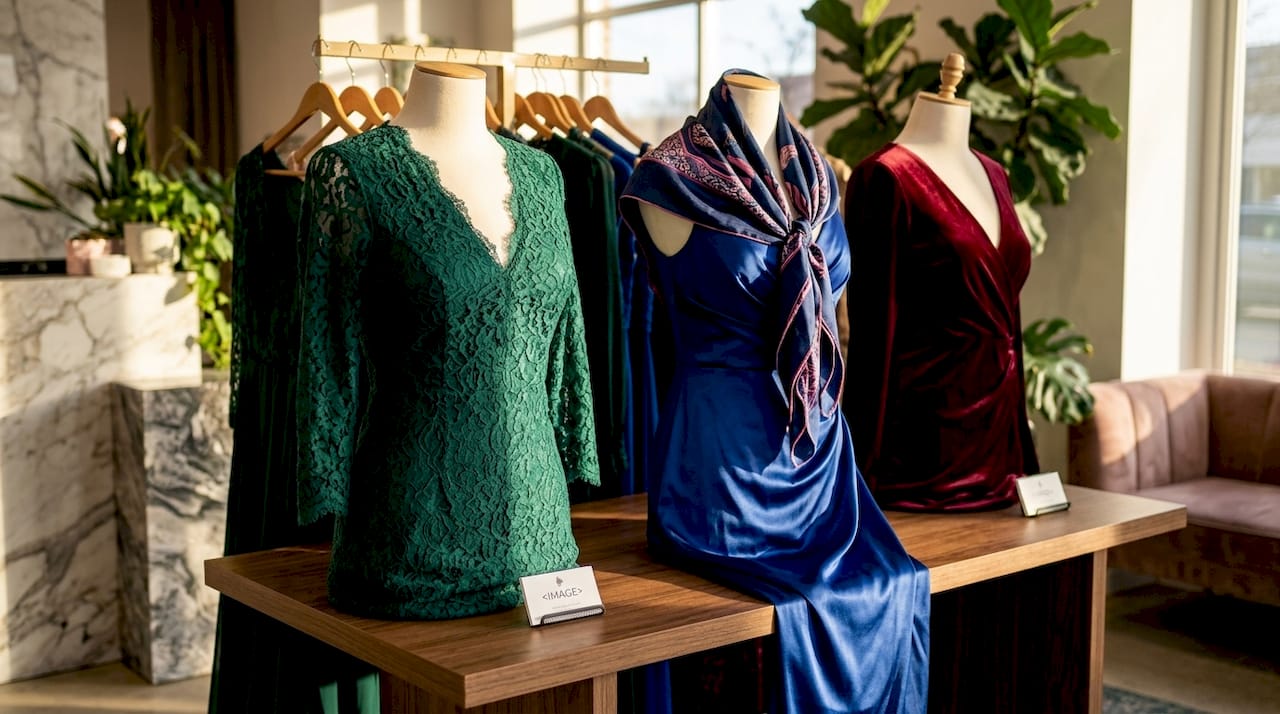
Black remains the most versatile choice for winter gala dresses. It pairs with every accessory, suits every venue, and never reads as underdressed at a formal event. Deep navy and charcoal gray offer similar flexibility with slightly more personality. These neutrals work especially well when the fabric itself carries the visual interest, as with a black velvet gown or a charcoal brocade dress.
Softer tones like powder blue, ivory, and blush can work for winter formals, but they require heavier fabrics to avoid looking like spring wear. An ivory cashmere gown reads as winter-appropriate. An ivory chiffon dress does not. The fabric carries as much seasonal signal as the color.
Avoid neon shades, tropical prints, and overly bright pastels at winter formal events. These colors read as summer or resort wear and undercut the gravitas that cold-season occasions call for.
- Jewel tones: Burgundy, emerald, sapphire, plum. The strongest choices for winter formal attire.
- Deep neutrals: Black, navy, charcoal. Timeless and universally appropriate.
- Soft winter tones: Ivory, powder blue, champagne. Work only in heavy fabrics.
- Avoid: Neon, tropical prints, bright pastels.
How do sleeve styles and dress lengths affect warmth?
Long sleeves are the single most effective design feature for staying warm in a formal winter dress. Long-sleeved designs, including sheer-lined, lace, and full sleeves, provide warmth while maintaining a polished look that works both indoors and outdoors. A lace sleeve with a flesh-toned lining, for example, gives the illusion of bare skin while blocking cold air entirely.
Sheer sleeves deserve special attention because they solve the style-versus-warmth dilemma better than almost any other design. A floor-length gown with sheer long sleeves looks undeniably formal and keeps arms covered through outdoor arrivals, cocktail hours on terraces, and cold venue lobbies. The key is that the sheer fabric must be lined or layered to provide actual warmth.
Dress length directly affects how much of your body stays insulated. Floor-length gowns cover the most surface area and reduce the need for heavy outerwear indoors. Midi-length dresses, falling between the knee and ankle, offer a strong middle ground for semi-formal winter events. Mini-length dresses require more aggressive layering with tights and boots to compensate. Check out winter evening gowns with sleeves for specific guidance on silhouettes that balance coverage and elegance.
Pro Tip: If your dress has short sleeves or a strapless bodice, choose a floor-length skirt. The added coverage at the bottom compensates for the exposure at the top and keeps your overall warmth level manageable.
- Full long sleeves: Maximum warmth. Best for outdoor winter events or cold venues.
- Sheer-lined sleeves: Elegant coverage without visual heaviness. Ideal for formal winter dance dresses.
- Lace sleeves with lining: Romantic and warm. A strong choice for winter ball gowns.
- Floor-length skirts: Reduce heat loss significantly compared to knee-length styles.
- Midi-length: Good for semi-formal winter events with the right hosiery.
What are the best layering and accessory strategies for winter formals?
Layering for a formal event requires pieces that can be removed gracefully without disrupting your look. Cropped cashmere cardigans and elegant pashminas are the gold standard because they add warmth during outdoor transitions and fold neatly over a chair or clutch once you are inside. A stole or wrap in a complementary color also works well and adds a deliberate styling element rather than looking like an afterthought.
The layers you wear underneath the dress matter just as much as what goes over it. Seamless shapewear and silk camisoles add a significant thermal layer without adding visible bulk. Silk, in particular, is a natural insulator that regulates body temperature in both cold and warm environments. A silk camisole under a velvet gown adds warmth you will feel immediately and see not at all.
Outerwear is the first impression you make at any winter event. A tailored wool coat or a faux-fur stole worn over a formal gown reads as intentional and polished. Avoid puffer jackets and casual parkas, which undercut the formality of the outfit the moment you arrive. The coat is part of the look, not just a practical necessity.
Footwear is a non-negotiable warmth decision. Closed-toe pumps and sleek heeled ankle boots in patent leather or suede are the right choices for winter formal events. Strappy sandals expose the foot to cold and create real discomfort before the night is over. A heeled ankle boot in black suede pairs with floor-length gowns and midi dresses equally well and keeps your feet warm through the entire event.
Hosiery is the most overlooked layer in winter formal dressing. Sheer quality tights retain leg warmth while maintaining the polished appearance that formal occasions require. Opaque tights in black or navy work for more casual winter formals. Sheer tights in a skin-matching tone are the right call for galas and balls where bare legs are expected but impractical.
For a full breakdown of how to layer formal outfits elegantly, the approach follows a consistent logic: start with a thermal base, build with the dress, and finish with a removable outer layer.
- Start with a thermal base: silk camisole or seamless shapewear.
- Add the dress: prioritize lined, heavy fabrics with long sleeves or floor length.
- Layer a pashmina, stole, or cropped cardigan for outdoor transitions.
- Choose a tailored wool coat or faux-fur wrap as outerwear.
- Finish with closed-toe heels or ankle boots and quality tights.
How to choose winter formal outfits for specific events
The event type determines how formal, how covered, and how structured your outfit needs to be. A winter prom calls for drama: floor-length gowns in jewel tones, statement sleeves, and bold accessories. A winter wedding reception calls for a more restrained palette, with deep neutrals and jewel tones that complement rather than compete with the wedding party. A holiday office party sits at the more relaxed end of the formal spectrum, where a midi-length dress in velvet or brocade hits the right note.
Venue and timing shape the layering decision more than any other factor. An outdoor winter ceremony requires a full outerwear strategy: a long wool coat, gloves, and closed-toe boots. An indoor ballroom event allows you to rely on the dress itself for warmth, with a pashmina as backup. An evening event in a historic venue with poor heating calls for the full layering approach regardless of the indoor setting.
For winter weddings specifically, semi-formal dresses for winter weddings follow a clear formula: rich fabric, covered shoulders, and a length that reads as occasion-appropriate without overshadowing the bride.
- Winter prom: Floor-length gowns, jewel tones, statement sleeves. Drama is appropriate.
- Winter wedding guest: Deep neutrals or jewel tones, covered shoulders, midi or floor length.
- Holiday gala: Velvet or brocade in black, burgundy, or emerald. Tailored silhouette.
- Holiday office party: Midi-length dress in a rich fabric. Less formal but still polished.
Key Takeaways
The most effective formal outfit for winter combines insulating fabrics like wool crepe or velvet, jewel-toned or deep neutral colors, long or lined sleeves, and removable layers that carry you from cold arrivals to warm interiors.
| Point | Details |
|---|---|
| Fabric is the foundation | Choose wool crepe, velvet, cashmere blends, or brocade for warmth and elegance. |
| Jewel tones lead the color story | Burgundy, emerald, sapphire, and plum are the strongest choices for winter formal events. |
| Sleeves and length reduce layering needs | Long or lined sleeves and floor-length skirts keep you warm without heavy outerwear indoors. |
| Layer strategically | A pashmina or cropped cashmere cardigan adds warmth that can be removed gracefully. |
| Footwear and hosiery complete the look | Closed-toe pumps or ankle boots paired with quality tights are non-negotiable in cold weather. |
What I have learned from dressing women for winter formals
The biggest mistake I see is treating winter formal dressing as a summer outfit problem with a coat thrown on top. That approach fails every time. The dress itself has to do the thermal work. A thin satin gown with a wool coat is cold the moment you hand your coat to the coat check. A lined velvet gown with a pashmina keeps you comfortable all night.
The second mistake is underestimating footwear. I have seen women arrive at winter galas in strappy heeled sandals because they matched the dress perfectly. By the time they reached the entrance, they were miserable. Closed-toe heels or a sleek ankle boot in suede or patent leather solves this completely and looks just as polished.
Investment-grade pieces with clean, architectural lines outlast trends by years. A well-constructed velvet gown in deep burgundy will work for winter formals, holiday galas, and black-tie events for a decade. Chasing micro-trends in formalwear is expensive and rarely produces a better result than a timeless silhouette in a quality fabric.
The layering transition is the moment most women do not plan for. You arrive cold, you warm up quickly indoors, and you need to remove layers without disrupting your look. A pashmina draped over the shoulders removes in seconds. A structured bolero requires a mirror and two minutes. Plan the removal before you leave the house.
— Dressmeup
Dressmeupny’s curated winter formal collection
Finding the right dress for a cold-weather event takes more than scrolling through a generic catalog. Dressmeupny carries a curated selection of winter formal attire built specifically for women who need elegance and warmth in the same garment. The collection includes floor-length velvet gowns, long-sleeved lace dresses, and brocade styles in the jewel tones and deep neutrals that winter occasions demand.

Dressmeupny also offers layering pieces and styling resources to help you build a complete look, not just buy a dress. From pashminas and cashmere wraps to expert guides on cold-weather dressing, everything you need to walk into your next winter event with confidence is at Dressmeupny.
FAQ
What is the best fabric for a winter formal dress?
Wool crepe, heavy silk velvet, cashmere blends, and brocade are the best fabrics for winter formal wear. These materials provide insulation, drape elegantly, and hold their structure throughout an event.
Can I wear a sleeveless dress to a winter formal?
A sleeveless dress works for a winter formal if you pair it with a fully lined floor-length skirt, quality tights, closed-toe heels, and a cashmere wrap or stole for outdoor transitions.
What colors are appropriate for winter formal attire?
Jewel tones like burgundy, emerald, sapphire, and plum are the strongest choices. Deep neutrals like black, navy, and charcoal are equally appropriate and highly versatile.
Are ankle boots acceptable for winter formal events?
Sleek heeled ankle boots in suede or patent leather are a practical and polished choice for winter formal events. They provide warmth and traction that strappy sandals cannot offer in cold conditions.
How do I stay warm at a winter formal without ruining my look?
Layer a silk camisole or seamless shapewear under your dress, choose a lined gown with long or sheer-lined sleeves, and carry a pashmina or cropped cashmere cardigan that removes easily once you are indoors.
Recommended
- Winter Formal Attire: Warm, Elegant Looks for Women - DressMeUpNY
- Semi Formal Dresses for Winter Wedding: 2026 Guide - DressMeUpNY
- Party Dress for Winter: Style and Comfort Guide 2026 - DressMeUpNY
- What is formal wear for women 16-30: 2026 style guide - DressMeUpNY