
Ethical Formal Dress Brands for Special Occasions 2026
Ethical Formal Dress Brands for Special Occasions 2026
TL;DR:
- Ethical formalwear must meet strict standards for sustainable materials, fair labor, and transparent supply chains.
- Choosing natural fibers and verified certifications ensures true ethical integrity and longevity in garments.
Ethical formal dress brands are defined by three non-negotiable standards: sustainable materials, fair labor practices, and transparent supply chains. The industry term for this category is “responsible formalwear,” and it covers everything from eco-friendly formal attire for proms to ethical wedding dress options for the altar. Shoppers who care about where their clothes come from no longer have to sacrifice style for values. Organic cotton, Tencel, and vegan silk alternatives like cupro and bamboo-based fibers now appear in gowns that rival anything on a conventional runway. This guide covers what to look for, which brands lead the way, and how to build a conscious formalwear wardrobe that lasts.
1. What materials and certifications define ethical formal dress brands?
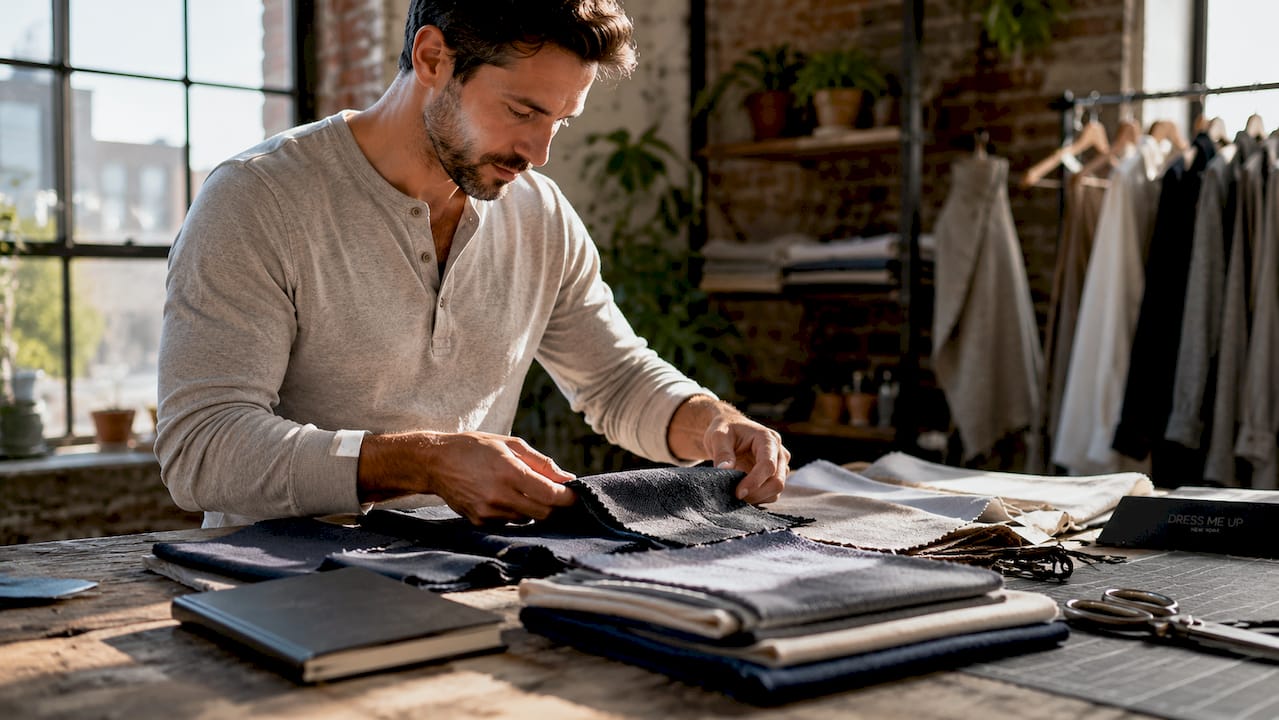
The fabric a dress is made from tells you most of what you need to know about its ethics. Natural biodegradable fibers like hemp, linen, and Tencel outlast recycled synthetics in longevity, which matters when you are buying an investment piece. Recycled polyester may sound sustainable, but it degrades faster after repeated cleaning and sheds microplastics. For a formal gown you plan to wear more than once, natural fibers are the better long-term choice.
Vegan silk alternatives have become a genuine option for evening wear. Cupro and bamboo-based fibers mimic traditional silk’s drape and sheen while remaining cruelty-free and biodegradable. They are also thermoregulating and hypoallergenic, which makes them practical for long events. A floor-length gown in cupro feels luxurious without the ethical cost of conventional silk production.
Certifications are the fastest way to verify a brand’s claims. Look for:
- GOTS (Global Organic Textile Standard): Covers organic fiber content and prohibits harmful chemicals throughout production.
- Fair Trade Certified: Confirms workers receive living wages and safe conditions.
- B Corp Certification: Measures a company’s overall social and environmental performance.
- Third-party supply chain audits: Brands like Aspiga maintain full traceability from field to garment, which is the gold standard for supply chain transparency.
Pro Tip: Ask a brand directly for its supplier list or audit reports. Brands with nothing to hide publish this information openly. If a brand cannot name its factory, treat that as a red flag.
2. Top ethical fashion labels for formal occasions
The strongest conscious clothing lines in formalwear share a common approach: they pay living wages, use certified materials, and design for longevity rather than trend cycles. Brands like OMNES ensure living wages for all direct employees, which sets a clear benchmark for what ethical labor looks like in practice.
Here is a breakdown of the leading categories and what they offer:
Brands focused on natural fiber gowns specialize in organic cotton, linen, and Tencel evening wear. Their silhouettes tend toward classic cuts: wrap dresses, column gowns, and A-line styles that work for weddings, galas, and cocktail parties. These labels typically hold GOTS certification and publish their factory locations.
Brands offering vegan silk alternatives produce slip dresses, bias-cut gowns, and draped styles in cupro or bamboo-based fabrics. These pieces photograph beautifully and feel comparable to conventional silk. They suit black-tie events and upscale wedding receptions equally well.
Fair trade cocktail dress labels focus on shorter, occasion-ready styles made in certified fair trade factories. Many source from artisan cooperatives in South Asia or Latin America, where skilled workers receive above-market wages and community support. These brands often carry a handcrafted quality that mass-market formalwear cannot replicate.
Repair and rewear brands build circular fashion directly into their business model. Aspiga provides repair services and creates upcycled accessories from scrap fabrics left over from production. Buying from a brand that repairs its own garments extends the life of your dress by years.
Carbon-neutral shipping brands go beyond the garment itself. Sustainability in formalwear includes carbon-neutral shipping and community support initiatives, which separate genuinely ethical labels from those using greenwashed marketing. A brand that offsets its shipping emissions and invests in worker communities operates at a fundamentally different level than one that simply uses organic cotton.
Prom-focused ethical labels have emerged to serve the teen market, offering timeless, repurposable styles that can be worn again after the event. These brands understand that a prom dress bought in april should still be wearable at a holiday party in december.
Ethical wedding dress options from specialist bridal labels use deadstock fabrics, organic silk, or certified linen. Many offer made-to-order production, which eliminates overstock waste entirely. The made-to-order model is one of the most effective ways a brand can reduce its environmental footprint.
Slow fashion eveningwear labels apply the buy less, buy better principle to their entire catalog. They release small collections seasonally rather than weekly drops, and they design each piece to remain relevant across multiple years of wear.
3. How to choose and style ethical formalwear for special occasions
The cost-per-wear concept is the most practical framework for buying responsibly made formal wear. Versatile, timeless silhouettes can transition from a wedding to a gala to a cocktail party, which multiplies the value of a single purchase. A $300 dress worn six times costs $50 per wear. A $60 fast fashion dress worn once costs $60 per wear. The math favors quality every time.
Follow these steps when selecting a dress for a special occasion:
- Choose a silhouette that works across events. A floor-length wrap dress or a structured midi works for a wedding, a prom, and a formal dinner. Avoid hyper-trend cuts that date quickly.
- Check the fabric content label. Prioritize natural fibers like Tencel, linen, or organic cotton. Avoid blends with more than 20% synthetic content if longevity is your goal.
- Verify the brand’s certifications. GOTS, Fair Trade, or B Corp logos on a product page are meaningful signals. A brand with no certifications and vague sustainability language is likely greenwashing.
- Accessorize to shift the look. The same designer long dress reads differently with a blazer and block heels versus strappy sandals and a clutch. Accessories extend a dress’s versatility without requiring a new purchase.
- Ask about repair services before you buy. A brand that offers repairs is telling you it expects the garment to last. That confidence is worth paying for.
Pro Tip: Before buying, search the brand name plus “supply chain” or “factory.” Ethical labels publish this information. If the search returns nothing, the brand has not earned the ethical label it is using.
Styling for sustainability also means caring for your dress correctly. Cold water washing, air drying, and storing in a breathable garment bag extend the life of natural fiber gowns significantly. A dress that lasts ten years instead of two is the most sustainable choice you can make.
4. Rentals and alternatives to buying new ethical formal dresses
Renting a formal gown is often the most sustainable choice for a single-use event. Renting cuts carbon footprint significantly compared to producing a new dress, because the environmental cost of manufacturing is shared across multiple wearers. For a prom or a one-time wedding guest appearance, rental makes both financial and environmental sense.
Rental platforms now offer designer ethical formalwear starting around $25 per rental, making access to high-quality gowns affordable for most budgets. That price point removes the financial barrier that once pushed shoppers toward cheap, disposable formalwear.
| Option | Best for | Environmental benefit |
|---|---|---|
| Rental platform | Single-use events | Shares production footprint across wearers |
| Secondhand purchase | Budget-conscious buyers | Extends garment lifecycle, no new production |
| Ethical brand purchase | Multi-event wearers | Supports fair labor and sustainable materials |
| Made-to-order | Brides and special occasions | Eliminates overstock and unsold inventory waste |
The resale market for formalwear has grown substantially. Platforms focused on pre-owned designer gowns let you buy a worn-once dress at a fraction of its original price. You can also sell your own dress after the event, recovering part of your investment and keeping the garment in circulation. Understanding the benefits of formal dress rental can help you decide whether renting or buying makes more sense for your specific event.
Upcycling is another option worth considering. Some ethical brands and independent tailors will transform an existing gown into a new silhouette, giving a dress a second life without any new material consumption. This approach suits shoppers who already own a quality piece but want a fresh look for an upcoming event. Exploring slow fashion habits like these can shift your entire relationship with your wardrobe, not just your formalwear.
Key Takeaways
Ethical formalwear requires verified certifications, natural fiber fabrics, and a clear commitment to fair labor, not just marketing language about sustainability.
| Point | Details |
|---|---|
| Certifications matter most | Look for GOTS, Fair Trade, or B Corp logos to verify ethical claims beyond marketing. |
| Natural fibers outlast synthetics | Hemp, Tencel, and linen gowns last longer than recycled polyester and do not shed microplastics. |
| Cost-per-wear beats sticker price | A $300 versatile dress worn six times costs less per wear than a $60 fast fashion piece worn once. |
| Rental is the greenest single-use option | Renting shares a garment’s production footprint across multiple wearers, cutting individual impact. |
| Repair services signal real quality | Brands that repair their own garments expect them to last, which is the clearest sign of genuine ethics. |
The uncomfortable truth about “sustainable” formalwear
The word “sustainable” has been applied to so many products that it has nearly lost its meaning. After years of watching the formalwear market, I have come to believe that the most honest signal of an ethical brand is not its fabric choice or its certification badge. It is whether the brand can name its factory and tell you what the workers there earn.
Most brands cannot do that. They use organic cotton and call themselves ethical, but they have no idea what happens three tiers down their supply chain. That gap between marketing and reality is where most of the harm in the fashion industry lives. Consumers who ask hard questions, and who walk away when brands cannot answer them, are the ones actually moving the industry forward.
The other thing I have learned is that buying less is always more sustainable than buying better. A rental, a secondhand purchase, or a dress you already own and restyle will always beat a new purchase from the most ethical brand on the market. The most conscious choice is the one that requires the least new production. That is not a comfortable message for a fashion retailer to deliver, but it is the truth, and shoppers who understand it make better decisions.
The good news is that the formalwear market is genuinely changing. Brands are publishing supplier lists, offering repair programs, and designing for longevity in ways that were rare five years ago. Consumer pressure is working. Keep applying it.
— Dressmeup
Ethical formalwear at Dressmeupny
Dressmeupny curates a selection of formal and special occasion dresses designed to work across multiple events, from proms and Quinceañeras to weddings and red carpet appearances. The catalog includes 2026 designer collections with timeless silhouettes built for repeat wear, which aligns directly with the cost-per-wear principle that defines conscious shopping.
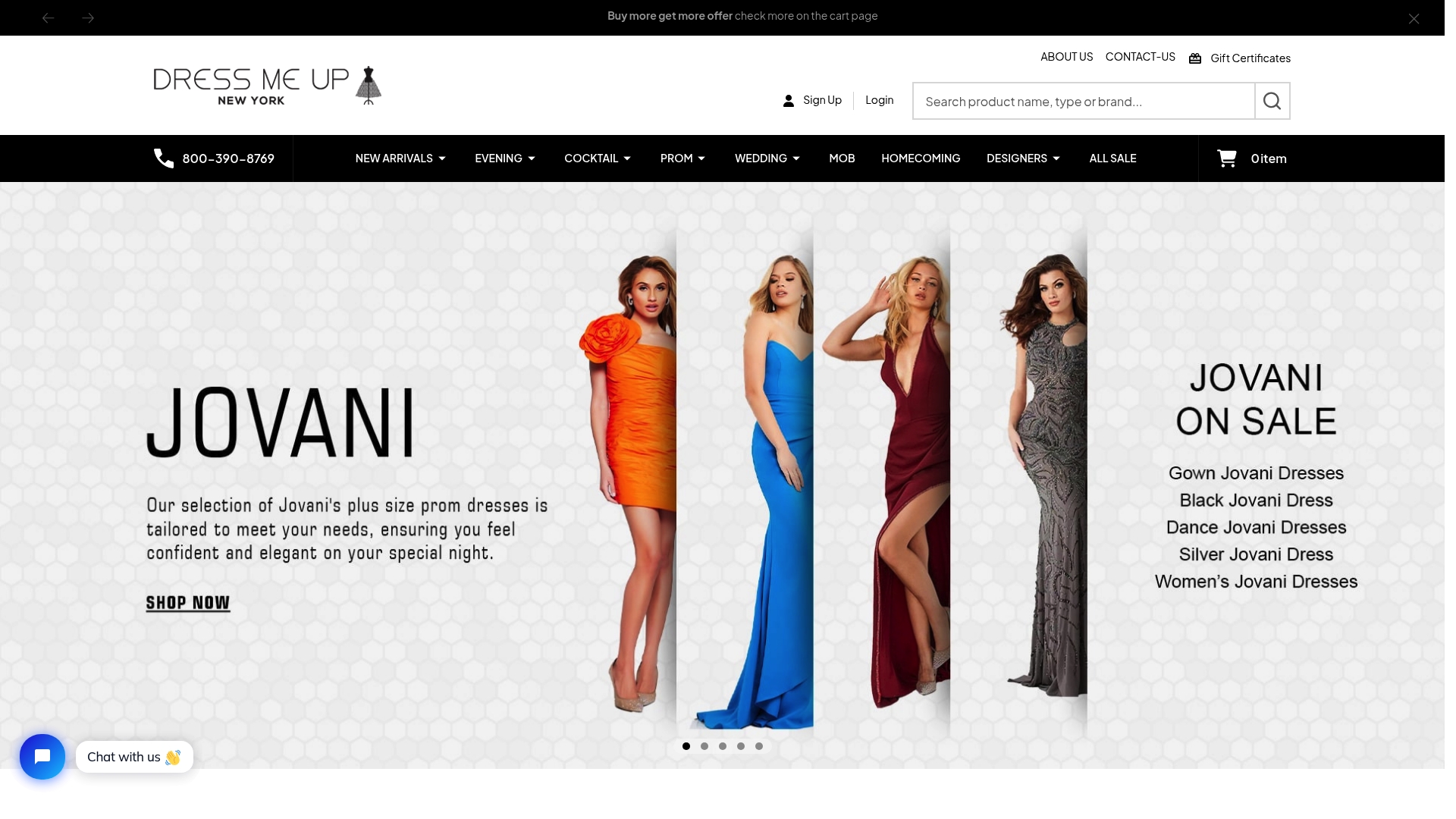
Shoppers looking for versatile, event-ready styles that hold their value across seasons will find Dressmeupny’s range worth exploring. The site offers free shipping on qualifying orders and a broad range of sizes, making it practical to invest in a quality piece rather than defaulting to disposable formalwear. Visit Dressmeupny to browse the full collection and find a dress built to be worn more than once.
FAQ
What makes a formal dress brand truly ethical?
A truly ethical formal dress brand uses certified sustainable materials, pays living wages to all production workers, and publishes transparent supply chain information including factory names and third-party audit results.
Are vegan silk dresses a good choice for formal events?
Yes. Cupro and bamboo-based vegan silks drape and photograph like traditional silk, are biodegradable and hypoallergenic, and work well for black-tie events, weddings, and cocktail parties.
Is renting a formal dress more sustainable than buying?
Renting is the most sustainable option for single-use events because the environmental cost of production is shared across multiple wearers, significantly reducing each individual’s carbon footprint.
What certifications should I look for on ethical formal dresses?
Look for GOTS (Global Organic Textile Standard), Fair Trade Certified, and B Corp certification. These are independently verified and cover materials, labor practices, and overall company ethics.
How do I make a formal dress last longer?
Wash in cold water, air dry, and store in a breathable garment bag. Choosing a brand that offers repair services also extends a dress’s usable life by years, lowering its cost-per-wear over time.
Recommended
- Best 6 Special Occasion Dresses for 2025 – Expert Comparison - DressMeUpNY
- Latest Designer Dress Collections for 2026 Special Occasions - DressMeUpNY
- Formal Type Dresses: Elevating Your Special Occasion Look - DressMeUpNY
- Chic Dresses for Special Occasions: Your 2026 Style Guide - DressMeUpNY