
Dress shopping for teens: your ultimate guide to style
Dress shopping for teens: your ultimate guide to style
Finding the perfect formal dress can feel overwhelming when you’re juggling style preferences, body confidence, and budget limits for your big event. Whether you’re preparing for prom, a Quinceañera, or another special occasion, knowing your budget and event type drastically narrows dress options to manageable choices. This guide walks you through practical preparation steps, body-flattering style selection, smart shopping strategies, and finishing touches that transform dress hunting from stressful to exciting. You’ll gain confidence to choose a dress that makes you feel amazing and ready to shine.
Table of Contents
- Key takeaways
- Preparing for your dress shopping journey
- How to choose the perfect dress style for your body shape
- Step-by-step guide to trying on and selecting your dress
- Maintaining and accessorizing your formal dress for a stunning look
- Discover your dream dress at DressMeUpNY
- FAQ
Key Takeaways
| Point | Details |
|---|---|
| Set a budget | Decide your total dress budget and include alterations and accessories to keep searches realistic. |
| Identify event type | Clarify the dress code and timeline for prom or Quinceanera to narrow suitable silhouettes and lengths. |
| Know body shape | Identify whether you are pear, apple, hourglass, rectangle, or inverted triangle to guide flattering silhouettes. |
| Test multiple styles | Try several silhouettes and necklines to find the most flattering look for your figure. |
Preparing for your dress shopping journey
Successful dress shopping starts long before you step into a store or browse online. Setting a clear budget is your first move. Decide how much you can realistically spend on the dress itself, then factor in alterations, accessories, and shoes. This prevents falling in love with a dress you can’t afford and keeps your search focused.
Next, identify your event’s dress code and theme. Prom might call for glamorous floor-length gowns, while a daytime Quinceañera could suit tea-length styles. Understanding these requirements helps you skip styles that won’t work. Research current special occasion formal dresses trends by browsing social media, fashion blogs, and online retailers to build a vision board of styles you love.
Consider your body shape early in the process. Knowing whether you’re pear-shaped, hourglass, apple, or rectangle helps narrow which silhouettes will make you feel most confident. This doesn’t mean limiting yourself, but rather starting your search with styles proven to flatter your proportions.
Create a checklist of must-haves before shopping:
- Comfort level (can you sit, dance, and move freely?)
- Preferred color palette that complements your skin tone
- Desired dress length (floor, midi, or short)
- Neckline and sleeve preferences
- Fabric weight suitable for your event season
Pro Tip: Schedule shopping trips at least three months before your event. This timeline allows for shipping delays, multiple shopping sessions if needed, and professional alterations without rushing.
Start a dedicated folder on your phone for dress inspiration photos. Screenshot styles you love, noting what specifically appeals to you about each one. This visual reference helps sales associates understand your taste and makes online filtering much easier. When you can articulate “I love sweetheart necklines with A-line skirts in jewel tones,” you’ll find your perfect dress faster than wandering aimlessly through racks.
How to choose the perfect dress style for your body shape
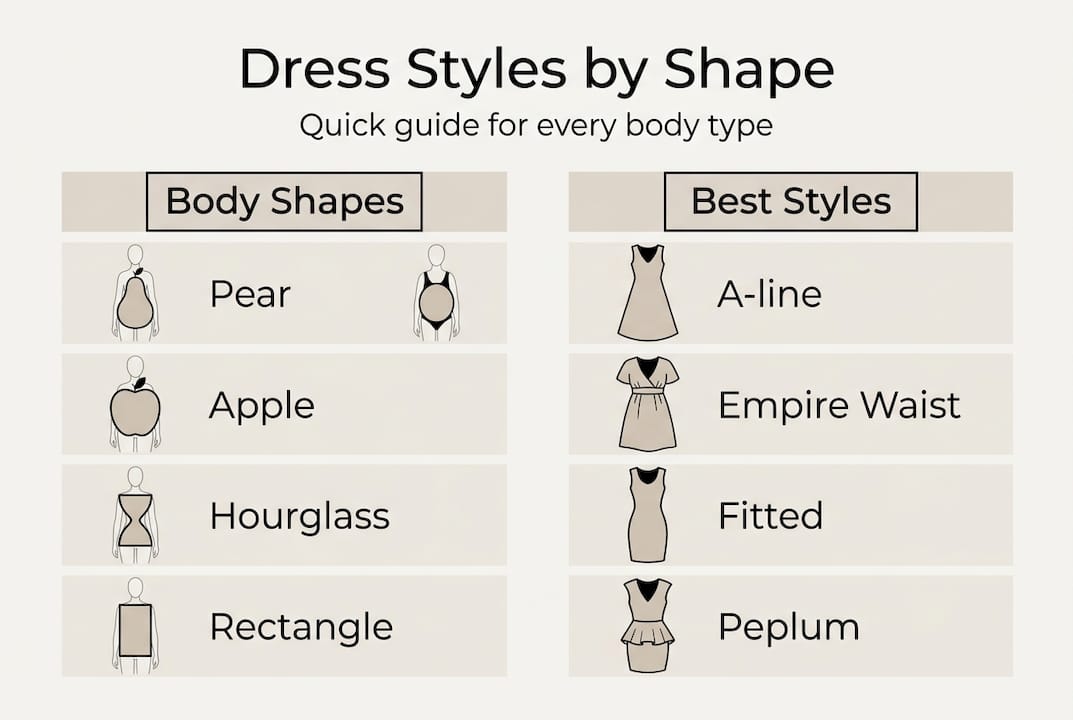
Understanding your body shape transforms dress shopping from guesswork into strategic selection. The five common body shapes are pear (wider hips than shoulders), apple (fuller midsection), hourglass (balanced bust and hips with defined waist), rectangle (similar measurements throughout), and inverted triangle (broader shoulders than hips). Stand in front of a mirror and honestly assess where your body naturally curves and where it’s straighter.
For pear shapes, selecting a dress based on body shape improves fit satisfaction and comfort for formal occasions. A-line and ball gown silhouettes work beautifully by skimming over hips while highlighting your smaller waist and shoulders. Look for embellished bodices or statement necklines that draw eyes upward. Avoid clingy fabrics around your hip area.
Apple shapes shine in empire waist dresses that flow from just under the bust, creating a flattering vertical line. V-necklines and wrap styles elongate your torso. Choose structured fabrics that skim rather than cling to your midsection. Avoid thick belts or details that emphasize your waist.
Hourglass figures can wear almost anything but look especially stunning in fitted styles that celebrate curves. Mermaid and trumpet silhouettes, bodycon dresses, and anything with a defined waist showcase your proportions perfectly. Just ensure the fit is precise, as too-tight fabric creates unflattering bulges.
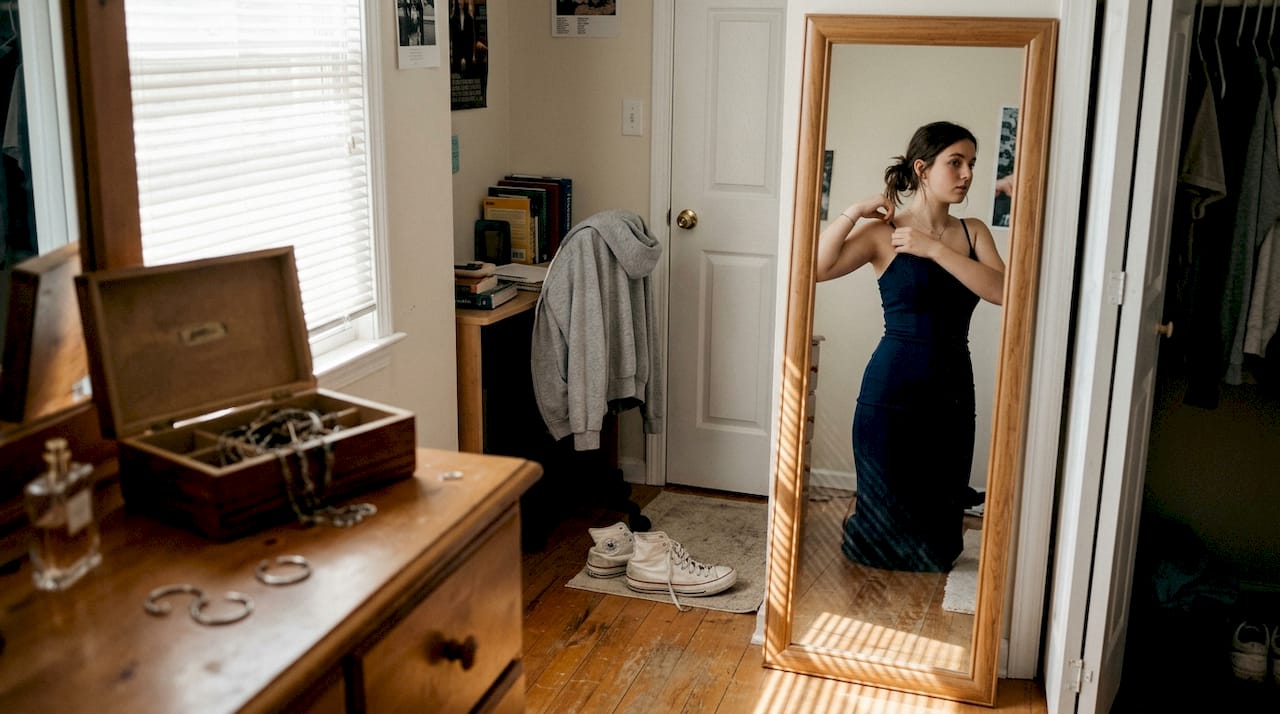
Rectangle shapes benefit from dresses that create the illusion of curves. Peplum details, ruching, tiered skirts, and belted waists add dimension. Try fit-and-flare styles or dresses with color blocking that defines a waist. Ruffles and embellishments strategically placed at the bust or hips also help.
| Body Shape | Best Dress Styles | Necklines to Try | Avoid |
|---|---|---|---|
| Pear | A-line, ball gown, fit-and-flare | Sweetheart, boat neck, off-shoulder | Bodycon, pencil skirts |
| Apple | Empire waist, A-line, wrap | V-neck, scoop, surplice | Tight waistbands, crop tops |
| Hourglass | Mermaid, sheath, bodycon | Any, especially sweetheart | Shapeless shifts, boxy cuts |
| Rectangle | Peplum, belted, tiered | Halter, strapless, asymmetric | Straight column dresses |
| Inverted Triangle | A-line, full skirt, halter | Halter, high neck, scoop | Heavy shoulder embellishments |
Pro Tip: Don’t skip trying styles outside your “perfect match” category. Sometimes unexpected cuts become your favorites. Use body shape guidelines as starting points, not rigid rules.
Fabric choice matters as much as silhouette. Structured materials like mikado, taffeta, and satin hold shape and smooth lines. Flowy fabrics like chiffon and tulle create romantic movement. Stretchy materials like jersey offer comfort but show every curve. Consider which fabric behavior suits both your body and your event’s vibe. Check out ball gown tips for teens for detailed guidance on selecting formal styles.
Step-by-step guide to trying on and selecting your dress
When you arrive at the store or receive your online order, approach trying on dresses systematically. Start by browsing the full selection and pulling 8 to 10 dresses in varied styles, even if some seem outside your comfort zone. This variety helps you discover what actually works versus what you imagined would work.
Follow this evaluation process for each dress:
- Put on the dress and fasten it completely, adjusting straps and closures properly
- Move naturally by walking, sitting, raising your arms, and doing a small dance move
- Check critical fit points at bust, waist, hips, and length in the mirror from all angles
- Evaluate comfort honestly, noting any pinching, gaping, or restriction
- Ask yourself if you feel confident and beautiful, not just okay
- Take photos from front, side, and back to review later
- Step away from the mirror for five minutes, then return for a fresh perspective
Trying dresses in varied lighting helps judge how they look in real settings. Dressing room lights often differ dramatically from event venues. If possible, check your reflection near a window or under different store lighting. Colors and fabrics can look completely different in natural versus artificial light.
Bring a trusted friend or family member whose opinion you value, but remember this is your dress and your event. Listen to feedback about fit and appropriateness, but trust your gut on style preferences. If you love a dress and feel amazing in it, that confidence will shine through on your special day.
Pro Tip: Wear appropriate undergarments when trying on dresses. A strapless bra, shapewear, or the exact shoes you plan to wear can dramatically change how a dress fits and looks.
Before making your final decision, understand the store’s return and alteration policies completely. Ask about timeframes, costs, and what changes are possible. Most formal dresses need at least minor alterations for a perfect fit. Budget an extra $50 to $150 for hemming, taking in seams, or adjusting straps. Never rush this decision. If you’re unsure between two dresses, sleep on it and review your photos the next day with fresh eyes. Explore current formal dress trends to ensure your choice feels both timeless and on-trend.
Maintaining and accessorizing your formal dress for a stunning look
Once you’ve found your perfect dress, proper care ensures it stays flawless until your event. Immediately after purchase, remove it from any plastic covering and hang it on a padded hanger in a cool, dry closet. Plastic traps moisture and can cause yellowing or mildew. If your dress has heavy beading or is very long, consider storing it flat in a clean, dry space to prevent stretching.
Different fabrics require specific care approaches:
| Fabric Type | Cleaning Method | Storage Tips | Special Considerations |
|---|---|---|---|
| Silk/Satin | Professional dry clean only | Breathable garment bag, padded hanger | Keep away from direct sunlight |
| Chiffon/Tulle | Gentle hand wash or dry clean | Hang to prevent crushing layers | Steam wrinkles, never iron directly |
| Sequins/Beading | Spot clean, professional clean | Store flat if heavily embellished | Turn inside out when cleaning |
| Velvet | Dry clean only | Hang in cool area | Brush pile gently to maintain texture |
| Jersey/Knit | Hand wash cold, lay flat to dry | Fold or hang based on weight | Avoid hangers for heavy knits |
Proper storage and accessory choices extend dress lifespan and elevate your look. For detailed preservation methods, check out formal dress storage tips to keep your gown pristine.
Accessorizing completes your formal look. Start with jewelry that complements your dress neckline. Strapless or sweetheart necklines pair beautifully with statement necklaces, while high necklines look better with dramatic earrings and skip the necklace. If your dress has heavy embellishment, choose simpler accessories. A plain dress can handle bolder jewelry pieces.
Shoe selection impacts both style and comfort. Match your shoe height to your dress length during alterations. Metallic shoes (gold, silver, rose gold) work with almost any dress color. Break in new shoes before your event by wearing them around the house with socks for short periods.
Choose a clutch or small handbag that holds essentials without overwhelming your look:
- Phone and emergency contact numbers
- Lipstick or gloss for touch-ups
- Blotting papers or compact powder
- Small tissues
- Band-aids for potential shoe blisters
- Mints or gum
If you’re traveling to an out-of-town event, pack your dress carefully. Use a garment bag and lay it flat in your suitcase as the top layer, or carry it separately. Upon arrival, hang it immediately in a steamy bathroom to release wrinkles naturally. Learn more about dress accessorizing guide for expert styling advice.
Pro Tip: Do a complete dress rehearsal a week before your event. Put on the dress, shoes, jewelry, and hairstyle you’re planning. Move around, sit, and dance to identify any last-minute issues while you still have time to fix them.
Discover your dream dress at DressMeUpNY
Now that you’re equipped with expert strategies for finding, fitting, and styling your perfect formal dress, it’s time to explore options that match your vision and budget. DressMeUpNY offers a carefully curated collection of stunning formal dresses designed specifically for teens heading to proms, Quinceañeras, and special celebrations.
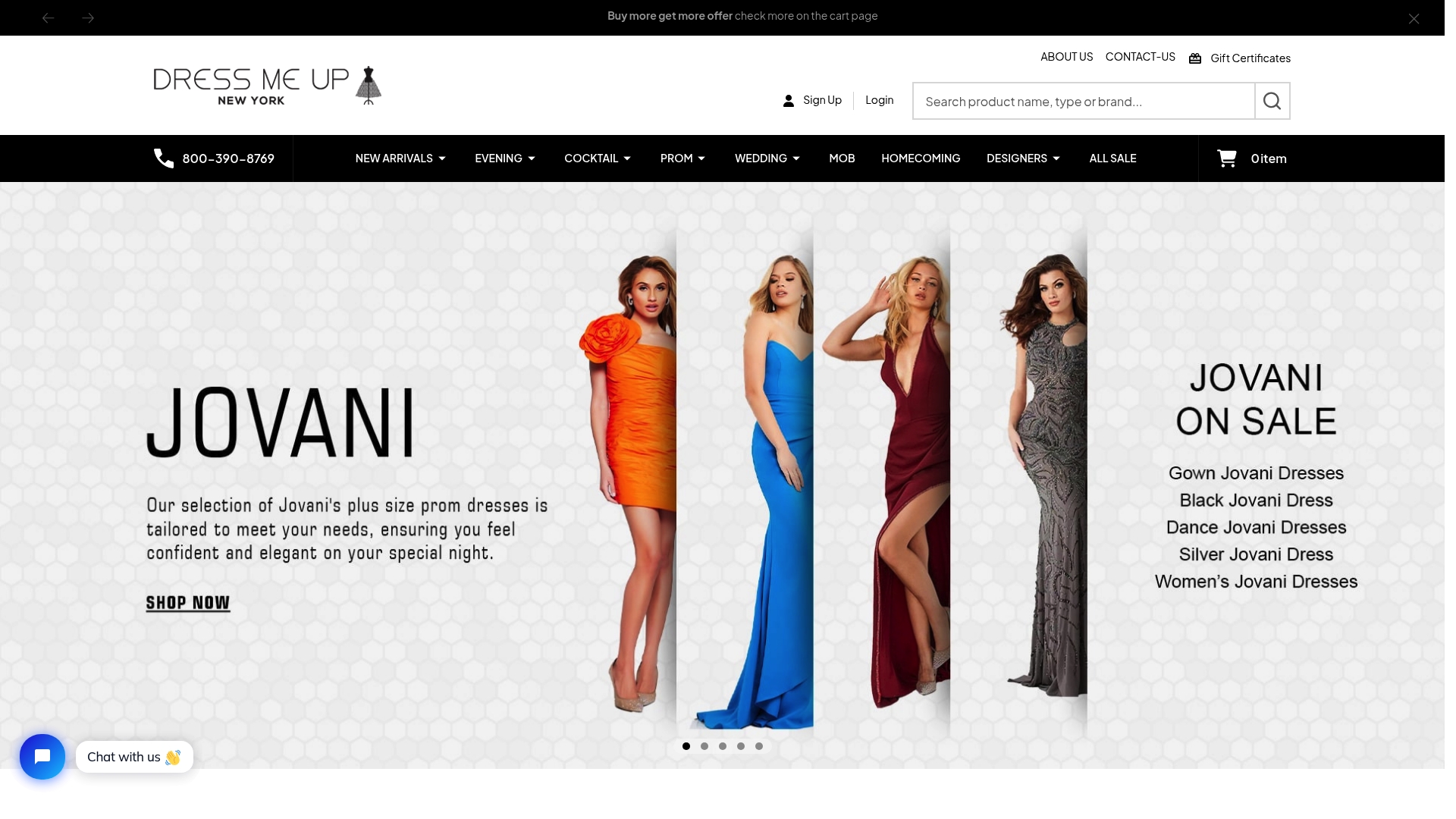
Browse hundreds of styles across every silhouette, color, and price point, with detailed size charts and customer reviews to guide confident online shopping. The site’s blog features ongoing updates about current formal dress trend guide and practical advice on everything from accessorizing to storage. Expert customer support helps answer fit questions and styling concerns, making your shopping experience smooth and enjoyable. Discover the latest arrivals from top designers and find best online prom dress stores that combine quality, style, and value for teen shoppers.
FAQ
What is the best way to find a prom dress that fits my style?
Start by identifying your body shape and researching dress silhouettes that traditionally flatter your proportions. Create a vision board of styles you’re drawn to, noting common elements like necklines, colors, or embellishments. Try on multiple dress styles during shopping, including some outside your initial preferences, as you might discover unexpected favorites that make you feel most confident.
How can I shop for formal dresses online safely?
Always check detailed size charts and measure yourself accurately before ordering, comparing your measurements to the brand’s specific sizing guide. Read customer reviews focusing on fit feedback and photo uploads showing real people in the dress. Verify the return policy allows enough time for trying on and potential returns, and order at least two months before your event to accommodate shipping and alterations. For comprehensive guidance, review online dress buying tips before making purchases.
What accessories work best with formal teen dresses?
Choose accessories that complement rather than compete with your dress design. If your dress features heavy beading or bold patterns, opt for simpler jewelry and let the dress shine. Plain or minimalist dresses can handle statement necklaces, dramatic earrings, or embellished shoes. Balance is key, so select one or two standout accessory pieces and keep the rest understated for an elegant, cohesive look. Explore expert advice at accessorizing formal dresses for detailed styling strategies.
How much should I budget for a formal dress and alterations?
Formal dresses for teens typically range from $100 to $500 depending on designer, fabric quality, and embellishment level. Budget an additional $50 to $150 for professional alterations, which most dresses require for perfect fit. Factor in shoes ($30 to $100), accessories ($20 to $80), and potential undergarments ($15 to $50). Setting a total budget of $250 to $600 covers most complete formal outfits while leaving room for quality choices.
When should I start shopping for my special occasion dress?
Begin shopping three to four months before your event for the best selection and stress-free timeline. This allows time for browsing multiple stores or websites, ordering and receiving online purchases, scheduling alteration appointments, and making changes if your first choice doesn’t work out. Last-minute shopping (less than six weeks out) severely limits options and may result in rush alteration fees or settling for a dress you don’t love.
Recommended
- Formal Dress Trends for Teens: Complete Guide - DressMeUpNY
- Quince dress shopping guide 2026: stylish tips for teens - DressMeUpNY
- 7 Best Online Prom Dress Stores for Trendy Teens - DressMeUpNY
- 7 Essential Tips for Choosing Ball Gowns for Teens - DressMeUpNY