
Ball Gown Attire: Your 2026 Formal Style Guide
Ball Gown Attire: Your 2026 Formal Style Guide
TL;DR:
- Ball gown attire features a fitted bodice and a full, floor-length skirt made from luxurious fabrics like silk or satin. It is appropriate for White Tie, Black Tie, and formal events, but not for casual or cocktail occasions. Choosing the right fabric, silhouette, and accessories ensures a polished look suitable for the dress code and venue.
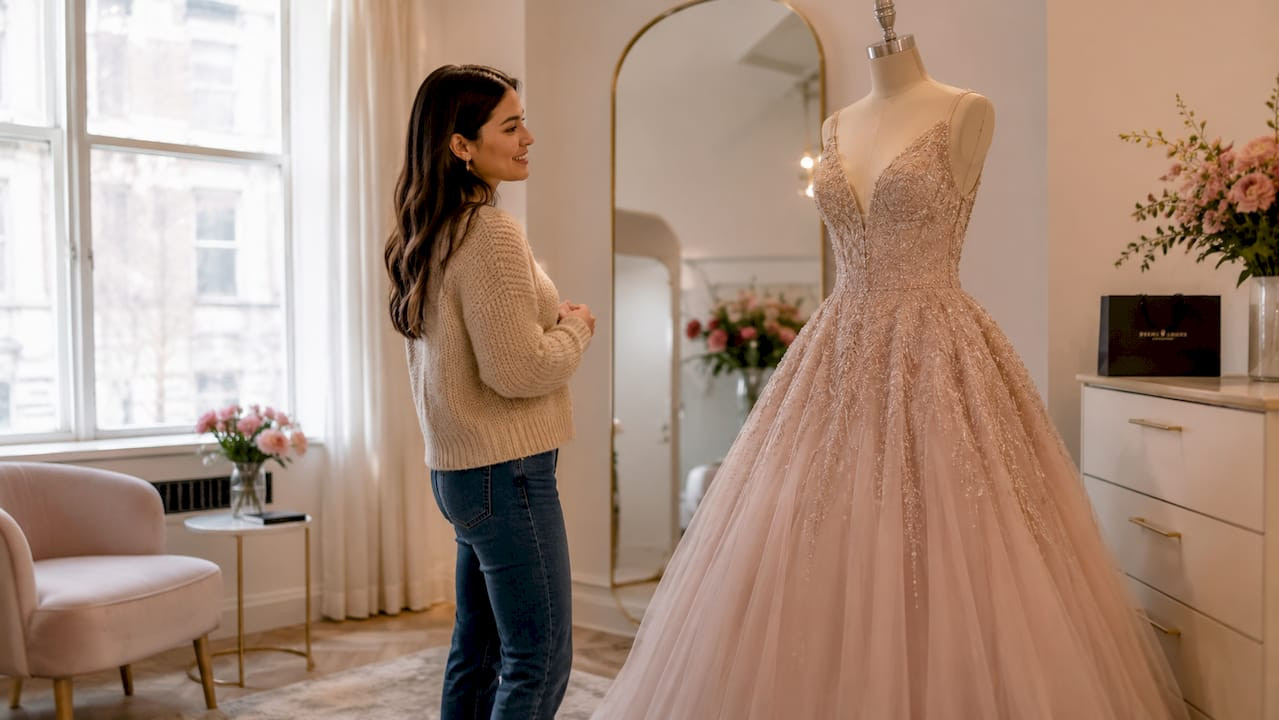
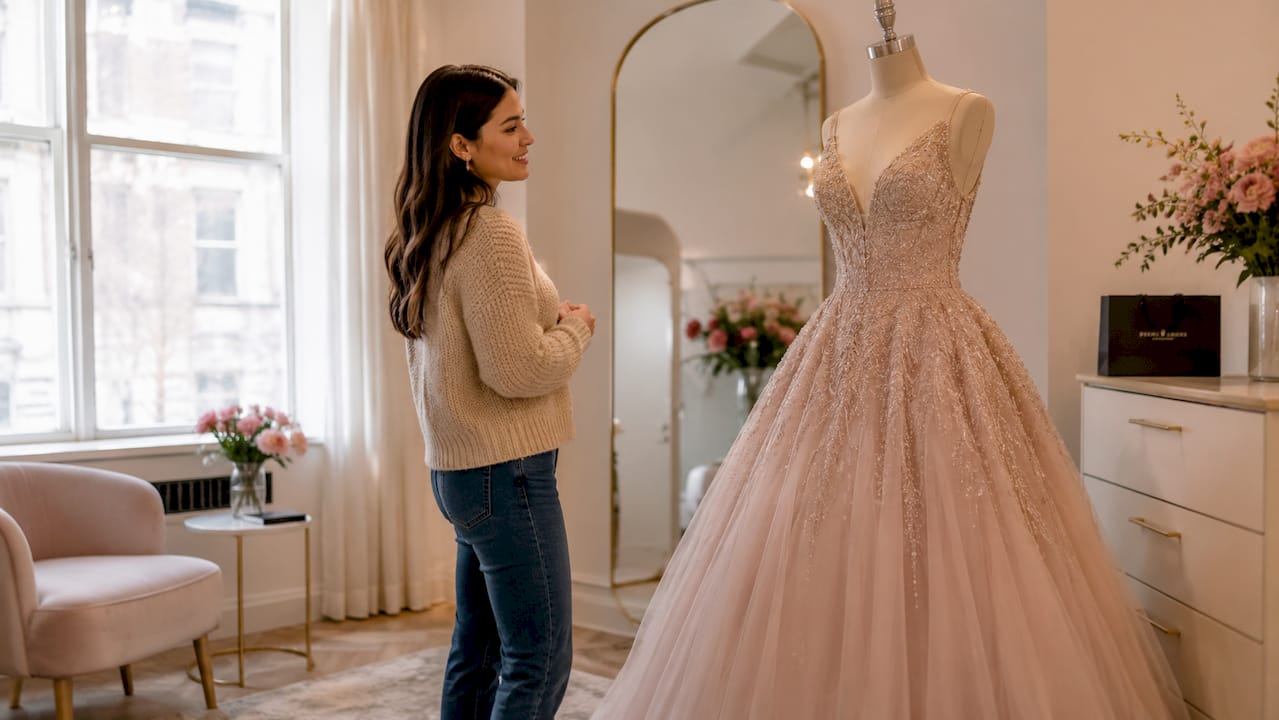
Ball gown attire is defined as a floor-length formal dress with a fitted bodice and a full, voluminous skirt, typically crafted from luxurious fabrics like silk, satin, or chiffon and finished with lace, beading, or embroidery. This silhouette is the gold standard for formal occasions including proms, black-tie galas, military balls, and wedding ceremonies. Choosing the right gown means understanding dress codes, fabric behavior, and how accessories either complete or undercut the look. This guide covers every decision point so you walk into your event with total confidence.
What dress codes actually require ball gown attire?
Dress codes follow a clear hierarchy, and knowing where your event falls tells you exactly what to wear. Formal event dress codes range from White Tie at the top to Cocktail at the lower end, with Black Tie and Formal sitting in between. That spectrum matters because each level sets a different expectation for length, fabric, and overall grandeur.
White Tie is the most formal dress code in existence. It calls for a full ballroom gown, long gloves, and formal jewelry. You will see this code at state dinners, opera galas, and high-society charity events. If your invitation says White Tie, a floor-length gown is not optional.
Black Tie is the most common code for upscale events. Floor-length gowns are the safest choice at black-tie gatherings, including military balls and formal galas. A tea-length or midi dress technically falls short of the expectation. When in doubt, go long.
Formal attire sits just below Black Tie and offers slightly more flexibility. Formal wedding attire permits ankle-length gowns and dressy separates, though floor-length gowns remain the preferred choice for guaranteed appropriateness. Alex Rivera, a Stitch Fix stylist, notes that “formal” dress codes allow more experimentation with silhouettes, including tailored jumpsuits or elegant separates, without sacrificing sophistication.
Cocktail attire does not call for a ball gown. This code suits knee-length or midi dresses. Wearing a full ballroom gown to a cocktail event is a common overdressing mistake covered in detail later.
Here is a quick reference for matching dress code to gown length:
- White Tie: Full ballroom gown, floor-length, formal gloves
- Black Tie: Floor-length gown strongly recommended
- Formal: Floor-length preferred; ankle-length acceptable
- Cocktail: Knee to midi length; ball gowns are too formal
- Smart Casual: No gown required
Reading your invitation carefully prevents costly mistakes. Phrases like “black-tie optional” signal that a floor-length gown is welcome but not mandatory. “Formal attire requested” means you should lean toward a full-length dress. When the invitation is vague, check the venue. A ballroom or historic estate calls for more formality than a rooftop terrace. You can also explore the cocktail vs formal dress breakdown from Dressmeupny for a deeper comparison.
How do fabric and style affect your gown choice?
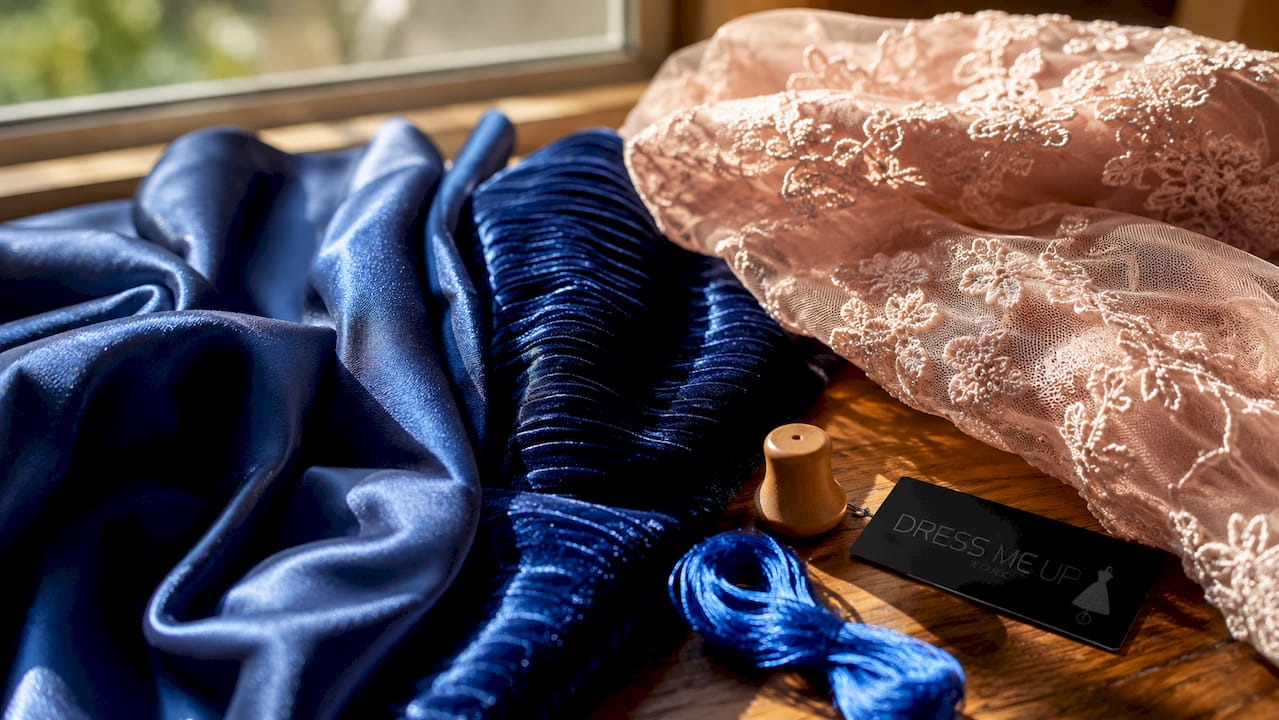
Fabric is the single most important factor in how a ball gown looks, moves, and feels across an entire evening. The right fabric holds its structure through hours of dancing and dining. The wrong one wilts by the second hour.
Comparing fabrics for formal evening wear
| Fabric | Formality level | Best season | Key trait |
|---|---|---|---|
| Mikado | Very high | Fall, Winter | Holds structure; minimal drape |
| Heavy satin | High | Fall, Winter | Lustrous finish; structured skirt |
| Silk | High | Spring, Summer | Fluid drape; breathable |
| Chiffon | Medium-high | Spring, Summer | Lightweight; layered skirt effect |
| Velvet | Very high | Fall, Winter | Rich texture; warm |
| Lace overlay | High | Spring, Fall | Romantic detail; pairs with lining |
Heavy fabrics like Mikado sustain the structured silhouette that defines a true ballroom gown. They hold the skirt’s shape without constant adjustment. The tradeoff is warmth. Wearing Mikado or heavy satin to a summer outdoor wedding will be uncomfortable by the reception.
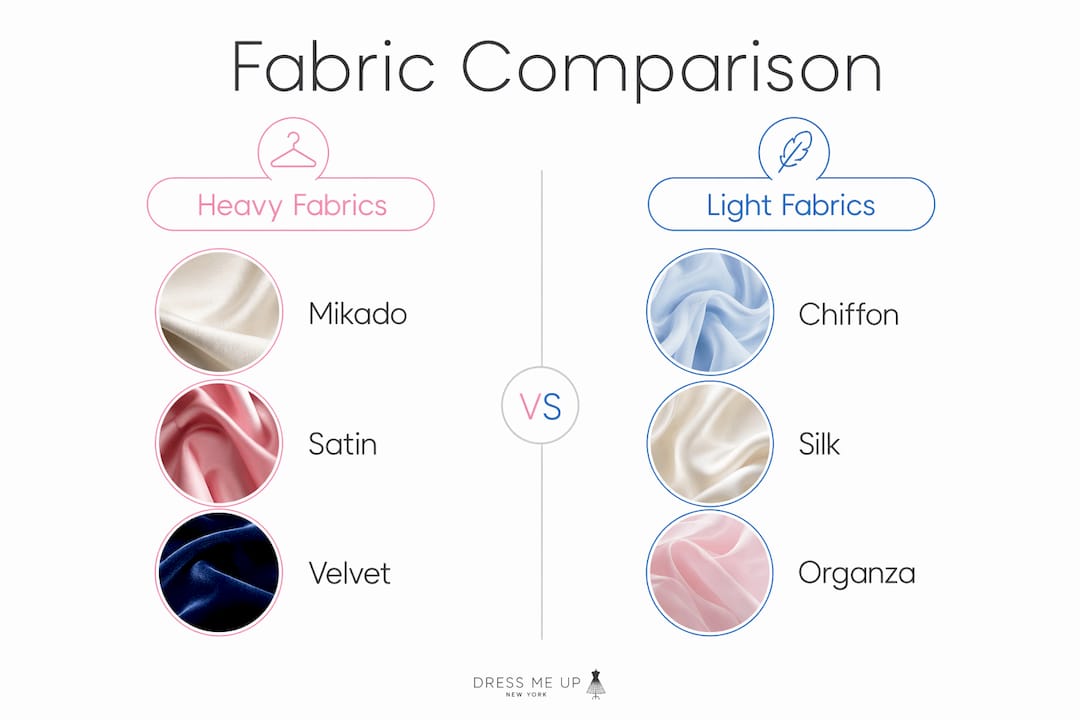
Lighter fabrics like chiffon and silk sacrifice some structure but gain breathability and ease of movement. A chiffon ball gown with multiple layers still reads as formal and elegant. It simply moves differently than a Mikado skirt. Fabric weight directly affects practical aspects like temperature control and movement, both of which matter at extended formal events.
Bodice styles and skirt designs
The bodice sets the tone for the entire gown. Strapless bodices are the most classic choice for ballroom silhouettes. Off-the-shoulder necklines add a romantic, modern touch. Sweetheart necklines elongate the torso and work well with beaded embellishments. V-neck bodices create a sleek, contemporary look that suits tall frames particularly well.
Skirt design determines how dramatic the gown reads in a room. A full A-line skirt creates the classic princess silhouette. A ballroom skirt with a structured underskirt or petticoat maximizes volume for the most formal events. A trumpet or mermaid skirt is technically not a ball gown silhouette but qualifies as long formal wear for black-tie events. For a full overview of silhouettes, the types of formal dresses guide from Dressmeupny covers every option with 2026 styling notes.
Pro Tip: If you are attending an outdoor or destination formal event, choose chiffon or silk over Mikado. You will stay comfortable without sacrificing elegance.
How do you accessorize a ball gown for a polished look?
Accessories either complete a formal look or compete with it. The goal is balance. A heavily embellished gown needs minimal jewelry. A simple, clean-lined gown can carry a statement necklace or chandelier earrings without looking overdone.
- Jewelry: Strapless and off-the-shoulder gowns pair best with statement earrings and a simple bracelet. Avoid layering multiple necklaces over a beaded bodice. A single strand of pearls or a delicate diamond pendant works for sweetheart necklines. For guidance on pairing gemstone jewelry with formal attire, opal styling tips offer a useful reference for color-matching stones to gown tones.
- Shoes: Strappy heeled sandals are the classic choice for ball gowns. A pointed-toe stiletto in a neutral tone elongates the leg under a floor-length skirt. Formal embellished flats are a practical alternative for long events where you will be standing or dancing for hours.
- Clutch: A small, structured clutch in satin, beaded fabric, or metallic leather completes the formal look. Avoid oversized bags or casual crossbody styles.
- Outerwear: A tailored wrap, faux fur stole, or structured blazer works for outdoor arrivals in cooler months. Avoid casual coats or puffer jackets over formal gowns. For detailed advice on layering over formalwear, the Dressmeupny guide on layering formal outfits covers this well.
Hairstyle matters as much as accessories. Updos like chignons and French twists show off the neckline and bodice of a ball gown. Loose waves work for less structured events. Half-up styles balance volume in the skirt with softness at the face.
Pro Tip: Match your metal tones. If your gown has gold beading, choose gold jewelry and gold-toned shoes. Mixing silver and gold reads as unintentional rather than eclectic.
What mistakes should you avoid with formal gown selection?
Avoiding common errors is as important as making the right choices. These are the mistakes that most often derail an otherwise well-planned formal look.
- Ignoring the dress code entirely. Overdressing with a full ball gown at a cocktail or semi-formal event makes you stand out for the wrong reason. Read the invitation, check the venue, and match your gown’s formality to the event level.
- Choosing the wrong fabric for the season. Wearing heavy velvet or Mikado to a summer garden party will leave you overheated and uncomfortable. Venue context and climate should drive your fabric decision as much as aesthetics.
- Over-accessorizing a detailed gown. A gown with heavy beading, embroidery, or lace already carries visual weight. Adding a statement necklace, chandelier earrings, and a bold bracelet creates clutter. Choose one focal point.
- Buying a gown without checking the fit timeline. Alterations for formal gowns typically take two to four weeks. Ordering too close to your event date leaves no room for adjustments. Plan your purchase at least six to eight weeks in advance.
- Wearing an ill-fitting bodice. A bodice that gaps, slips, or restricts movement undermines the entire look. Proper fit at the bodice is non-negotiable. If a gown fits your hips but gaps at the chest, a skilled tailor can correct it.
- Neglecting venue context. Matching dress sophistication to the venue is as important as reading the dress code. A ballroom demands more grandeur than a casual outdoor space, even when both events list the same dress code.
Where can you find quality ball gown attire for 2026 events?
Shopping for a formal gown requires knowing what to look for beyond the visual appeal. Quality construction, accurate sizing, and reliable return policies separate a good purchase from a frustrating one.
- Online specialty retailers offer the widest selection of styles, sizes, and price points. Look for retailers that provide detailed size charts, fabric descriptions, and customer photos alongside professional images. Dressmeupny carries a curated collection of evening gowns for weddings and formal events, with options across silhouettes and fabrics suited to 2026 occasions.
- Boutique bridal and formalwear shops allow you to try gowns before buying. This is particularly useful if you are between sizes or unsure of your preferred silhouette. Staff at specialty boutiques can advise on alterations and fabric behavior.
- Department store formalwear sections stock accessible price points and carry standard sizing. Selection is more limited than specialty retailers, but availability is immediate.
- Designer rental platforms offer access to high-end gowns at a fraction of the purchase price. This works well for one-time events where you will not wear the gown again.
When assessing quality online, check for lined bodices, reinforced boning, and finished seams in the product description. Unlined gowns in structured silhouettes lose their shape quickly. Boning in the bodice keeps the fit secure through a full evening of wear.
Key takeaways
Ball gown attire requires matching silhouette, fabric, and accessories to the specific dress code and venue of your event.
| Point | Details |
|---|---|
| Dress code defines gown length | Black-tie and White Tie events require floor-length gowns; cocktail events do not. |
| Fabric drives comfort and structure | Heavy fabrics like Mikado suit winter events; chiffon and silk work better in warm weather. |
| Accessories should balance the gown | Heavily embellished gowns need minimal jewelry; simple gowns can carry statement pieces. |
| Fit and timing matter | Order your gown at least six to eight weeks before the event to allow time for alterations. |
| Venue context shapes your choice | A ballroom demands more grandeur than an outdoor venue, even at the same dress code level. |
What I have learned about dressing for formal occasions
The most common mistake I see is treating the dress code as the only variable. Readers focus on “black tie” or “formal” and stop there. They forget that a black-tie event in a historic ballroom in Manhattan calls for a different level of grandeur than a black-tie dinner on a yacht. The dress code sets the floor. The venue sets the ceiling.
The second thing I have noticed is that women often underestimate how much fabric choice affects their entire evening. A gown that looks stunning in photos can become a liability by hour three if the fabric is wrong for the climate. I always recommend prioritizing wearability alongside aesthetics. A gown you feel at ease in photographs better and reads as more confident than one you are constantly adjusting.
Finally, personalization does not mean sacrificing formality. A classic A-line silhouette in an unexpected color, a modern off-the-shoulder neckline on a traditional ballroom skirt, or a minimalist gown styled with a single bold accessory all demonstrate personal style within the rules. The goal is to look like yourself at your most polished, not like a costume.
— Dressmeup
Dressmeupny’s formal gown collection for your next event
Dressmeupny specializes in women’s formal and special occasion dresses, with a catalog that covers everything from classic ballroom silhouettes to contemporary long formal dresses for proms, weddings, and galas.
The collection includes new arrivals updated for 2026 events, with options across fabrics, necklines, and price points. Whether you need a structured Mikado gown for a winter black-tie event or a flowing chiffon dress for a spring wedding, Dressmeupny’s formal dress catalog offers a range of styles with detailed sizing guidance. The blog also covers dress code breakdowns, styling tips, and fabric advice to help you make a confident decision before you buy.
FAQ
What is ball gown attire exactly?
Ball gown attire is a formal dress style defined by a fitted bodice and a full, floor-length skirt, typically made from luxurious fabrics like silk, satin, or chiffon. It is the standard choice for White Tie and Black Tie events.
Is a ball gown required for black-tie events?
Floor-length gowns are strongly recommended for black-tie events. A full ballroom silhouette is ideal, though a sleek floor-length column or A-line gown also meets the dress code.
What fabrics are best for a formal ball gown?
Mikado and heavy satin hold structure best for winter formal events. Chiffon and silk are better choices for spring and summer occasions because they are lighter and more breathable.
Can you wear a ball gown to a formal wedding?
Yes. Floor-length gowns are the preferred choice for formal weddings. Formal wedding attire also permits ankle-length dresses and dressy separates, but a full-length gown is always appropriate.
How far in advance should you buy a ball gown?
Buy your gown at least six to eight weeks before the event. This timeline allows for alterations, which are often necessary for a proper fit at the bodice and hem.
Recommended
- What Is a Ball Gown? The Essential 2025 Style Guide - DressMeUpNY
- Types of formal dresses for ladies: 2026 style guide - DressMeUpNY
- Gala dress code guide: What to wear to formal events in 2026 - DressMeUpNY
- Latest Formal Dress Trends 2025: What to Wear Now - DressMeUpNY