
A-Line Gown: Flattering Styles for Formal Events
A-Line Gown: Flattering Styles for Formal Events
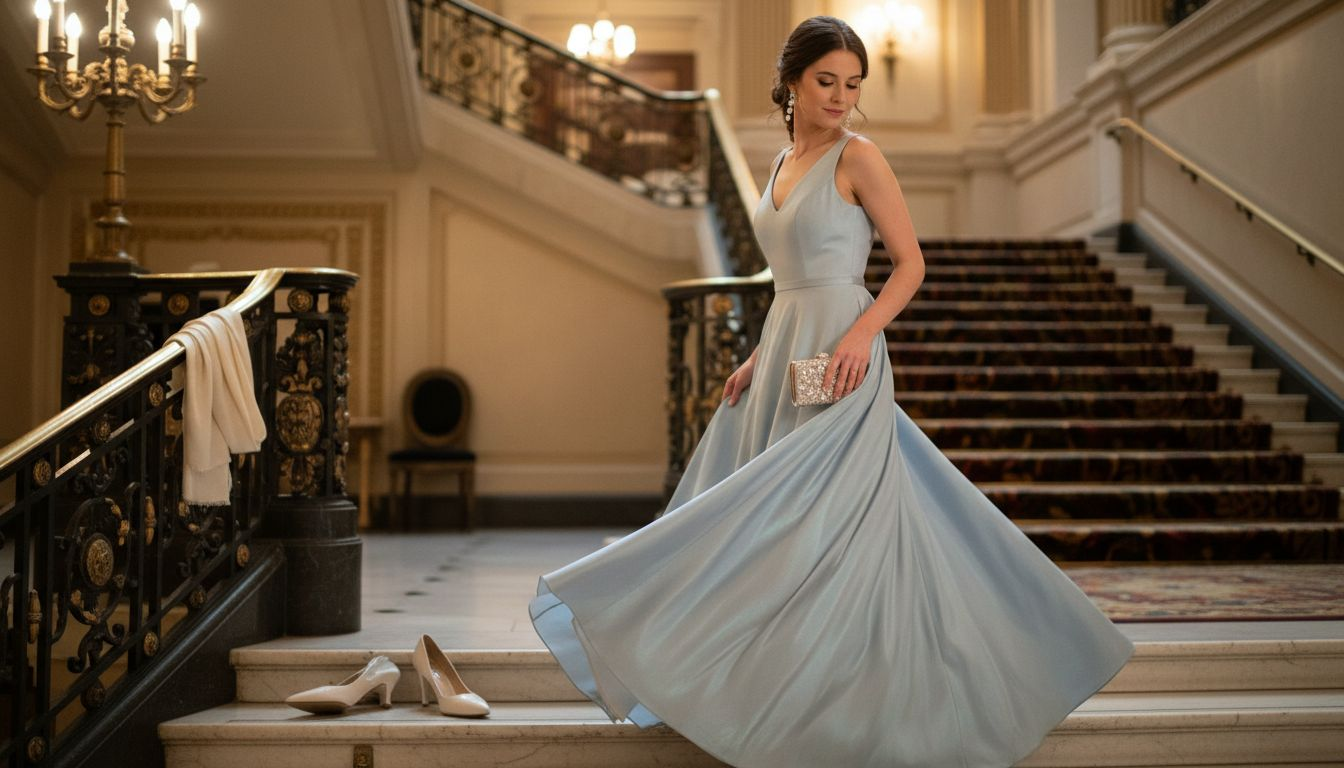
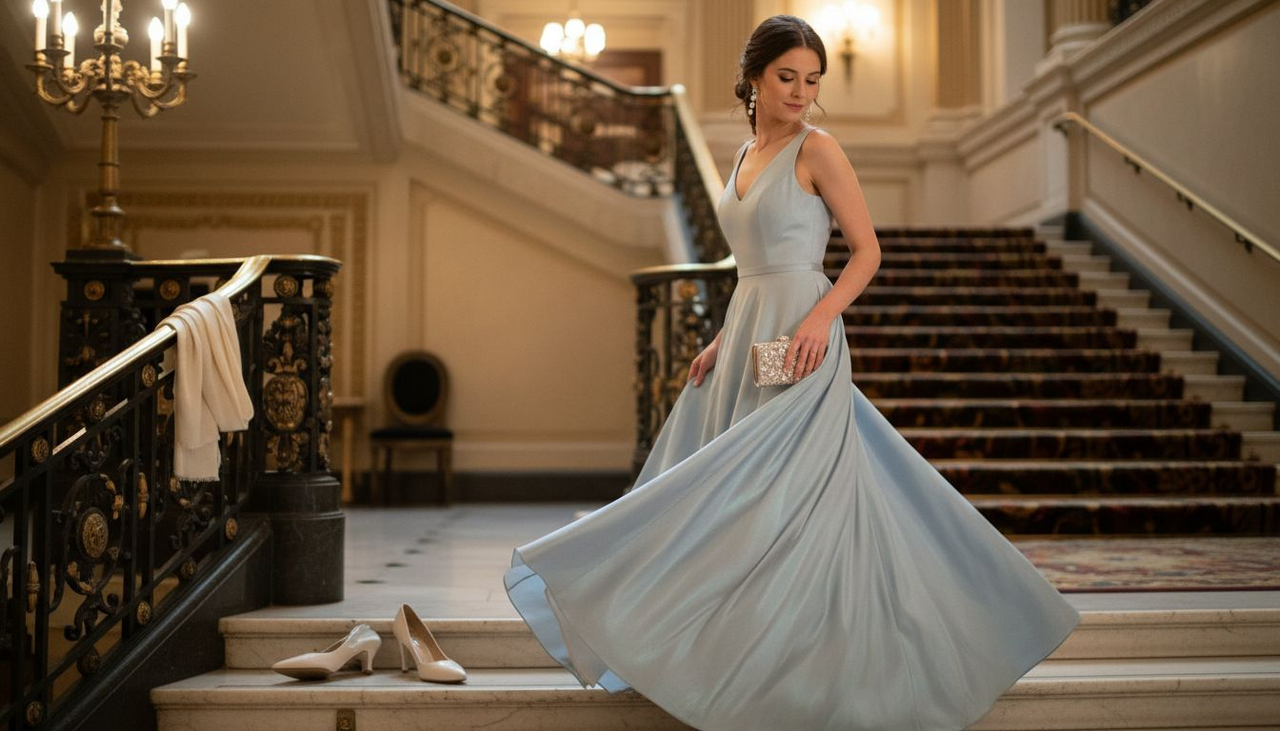
Shopping for the perfect prom or formal gown can feel confusing when every store seems to call every flared dress “A-line.” The reality is a true A-line silhouette narrows at the top and gradually widens toward the hem, echoing the shape of a capital letter A. Popularized by Christian Dior’s 1955 collection, this clean design flatters a range of figures and avoids bulky gathers or dramatic pleats. Understanding these details helps you find styles that deliver genuine elegance and standout confidence.
Table of Contents
- A-Line Gown Defined and Common Misconceptions
- Popular A-Line Gown Styles and Variations
- Signature Features and Figure-Flattering Elements
- Selecting Fabrics, Colors, and Accessories
- Common Shopping Mistakes and How to Avoid Them
Key Takeaways
| Point | Details |
|---|---|
| Understanding A-Line Silhouette | A-line gowns feature a fitted bodice and a gradual flare that starts at the waist, creating a flattering shape for most body types. |
| Identifying Genuine A-Line Gowns | Look for clean lines and smooth silhouettes without gathers or excessive layers to ensure the dress is a true A-line. |
| Wide Range of Styles Available | A-line gowns come in various fabrics, lengths, and embellishments, allowing customization to match personal style and event formality. |
| Proper Fit is Crucial | Always compare measurements and consider necessary undergarments to achieve the best look and comfort when wearing an A-line gown. |
A-Line Gown Defined and Common Misconceptions
If you’re shopping for a prom dress or formal gown, you’ve probably heard the term “A-line” thrown around constantly. But here’s what actually matters: an A-line gown has a specific silhouette that flatters most body types, and it’s nothing like some of the loosely flared dresses marketed with that label. The A-line silhouette narrows at the top) and gradually widens toward the hem, creating that distinctive A shape. This cut originated from Christian Dior’s 1955 spring collection and has remained a go-to choice for formal wear ever since because it works. The genius of the design lies in its simplicity: fitted at the shoulders and waist, then smoothly flaring outward without any bulky pleats or gathers disrupting the line.
Now here’s where most people get confused. A true A-line gown is not the same as any dress that’s wider at the hips. Some stores will slap the “A-line” label on dresses that are essentially straight shapes with just a little extra fabric thrown in, or heavily gathered skirts that bunch up awkwardly. That’s not an A-line. Real A-line gowns feature clean, uninterrupted lines that flow from a fitted waist or hip area down to the hem. Think of it like this: if you sketched the letter “A” on paper, that’s exactly the shape the dress should create on your body. No poof, no gather, no dramatic ruching. Just that beautiful gradual expansion. This distinction matters because when you wear a true A-line, the silhouette hides figure imperfections and creates balance, whereas a poorly designed flared dress can actually emphasize areas you’d rather not highlight.
The style gained massive popularity through the mid-1950s as fashion moved away from the extremely tight, corseted looks that dominated previous decades. Designers like Yves Saint Laurent refined the concept with the trapeze line in 1958, keeping that same A-shaped principle but experimenting with different proportions and fabrics. What makes A-line gowns so enduring for events like proms and formals is that the silhouette genuinely flatters a range of body types. Whether you’re petite, curvy, athletic, or pear-shaped, an A-line can be tailored to work for you. The fitted top creates definition at the chest and shoulders, while the gradual flare skims over the hips and thighs without clinging. This is why Dress Me Up NY carries so many A-line styles across different price points and designs, from classic and elegant to trendy and detailed.
When you’re evaluating whether a dress is truly an A-line, look at the side seams from the photos. Do they curve outward gradually and smoothly? Does the dress maintain a clean silhouette without visible bunching or layers of fabric? Can you trace an imaginary “A” shape from shoulder to hem? If yes to all three, you’re looking at an authentic A-line. If the dress description mentions gathered skirts, multiple layers, or a more dramatic flare that starts at the waist, it might still be beautiful for formal events, but it’s not technically an A-line. Understanding this difference helps you search more effectively and find styles that deliver the specific look you want.
Here’s a comparison of popular gown silhouettes to help you identify a true A-line:
| Silhouette | Defining Features | Best For | Key Difference from A-Line |
|---|---|---|---|
| A-Line | Gradual flare from waist; fitted bodice | Most body types | Smooth line, no gathers or pleats |
| Ball Gown | Fitted top, full gathered skirt | Formal, dramatic events | Flare starts at waist, fuller skirt |
| Fit-and-Flare | Fitted hips, sudden flare at thigh | Curvy/athletic figures | Flare begins below the hip |
| Sheath | Straight, minimal flare | Petite, slim bodies | No pronounced flare |
Pro tip: When browsing A-line gowns online, check the side view photos specifically. This angle shows whether the silhouette has that true gradual flare or if it’s just a regular dress with extra width, helping you spot authentic A-lines before adding anything to your cart.
Popular A-Line Gown Styles and Variations
A-line gowns come in far more variety than you might think. While the core silhouette stays consistent, designers play with necklines, fabrics, embellishments, and lengths to create completely different vibes. Understanding the popular variations helps you narrow down what actually matches your style and the formality level of your event. The beauty of A-line dresses is that whether you want something classic and understated or bold and heavily beaded, the flattering silhouette remains the same. You’re simply choosing how much personality and detail you want on top of that foundation.
Classic A-Line with Modest Necklines
The traditional A-line stays timeless because it works. These gowns typically feature sweetheart necklines, high crew necks, or simple V-necks paired with a smooth, unadorned bodice. Think solid colors, minimal texture, and clean lines from top to bottom. This style screams elegance and sophistication, perfect if your prom or formal event leans toward traditional settings. Many of these classic versions come in jewel tones like emerald, sapphire, or burgundy, or timeless neutrals like black, white, or navy. The advantage here is that a classic A-line photograph beautifully and never looks out of place, no matter how formal the occasion. You can dress it up with statement jewelry or keep it simple depending on the venue.
Embellished and Beaded A-Lines
If you want drama, beaded A-line gowns deliver. These feature the same flattering silhouette but with intricate beadwork, sequins, or rhinestone details covering the bodice, and sometimes flowing down onto the skirt. The embellishments catch light beautifully in photos and in person, making you feel absolutely stunning when you walk into a room. Popular embellished styles include sheer mesh overlays with scattered beads, geometric patterns of sequins, or gradient beading that fades from dense at the top to sparse at the bottom. The fitted bodice part of the A-line keeps all that sparkle from overwhelming your frame, which is why heavily beaded A-lines actually work better than heavily beaded straight dresses. The skirt’s flow balances the visual weight of the details.
Sleeveless Versus Sleeved Variations
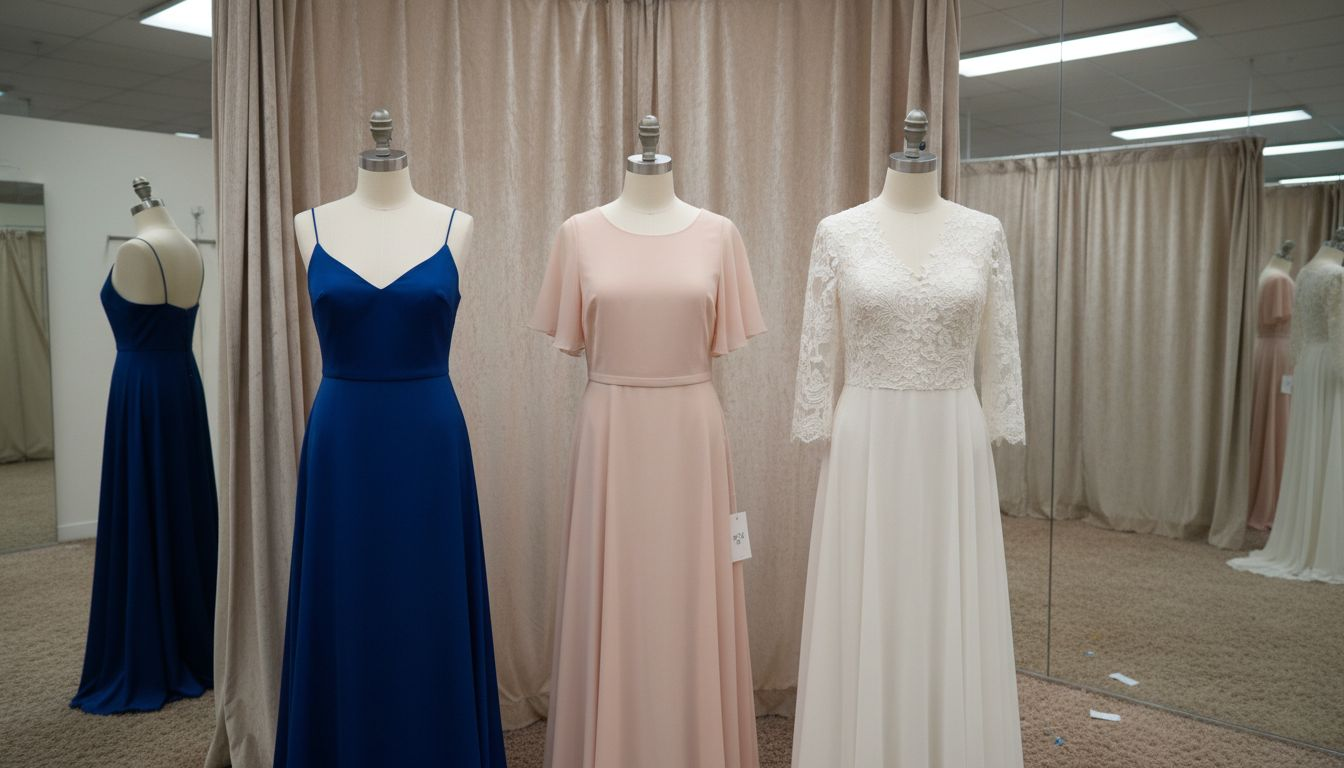
A-line gowns adapt easily to different sleeve styles. Sleeveless versions with thin straps or sweetheart necklines feel youthful and modern, ideal if your venue is an upscale ballroom or outdoor garden setting. Long sleeves or three-quarter sleeves on A-line gowns create a more formal, sophisticated look that works well for black-tie affairs or more conservative dress codes. Cap sleeves hit that perfect middle ground, offering coverage without looking overdressed. Off-shoulder A-lines have become extremely popular lately because they balance formal elegance with contemporary trend awareness. The key is that whatever sleeve choice you make, it works seamlessly with the A-line silhouette because the real flattering magic happens in the fit and flare of the skirt.
High-Low and Short A-Lines
While floor-length A-lines dominate formal wear, high-low variations and shorter lengths offer something different. A high-low A-line has a higher hemline in front and a longer train or lower hem in back, giving you the formality of a gown with easier movement. These work great for proms where you might want to dance without tripping, or for outdoor formals where you don’t want to drag fabric through grass. Short A-line dresses, typically knee-length or tea-length, maintain the same flattering silhouette but feel less formal and more approachable. Some venues specify shorter dress codes, and an A-line cut in a shorter length still gives you that elegant, refined look.
Layered and Tulle A-Lines
Fabric choice dramatically changes how an A-line looks and feels. Tulle A-lines with multiple layers create volume and texture without relying on gathers or pleats, staying true to the clean A-line shape. Satin A-lines offer a sleek, polished appearance with a subtle sheen. Chiffon A-lines feel romantic and ethereal, perfect for spring or outdoor formals. Velvet A-lines in darker colors create rich, luxurious statements for winter events. Some A-lines combine fabrics, like a satin bodice with a tulle skirt, giving you structure on top and movement on bottom.
When exploring different types of evening gowns, you’ll notice that A-line remains one of the most versatile options because it transcends trends. Whether you’re drawn to minimalist elegance or maximum sparkle, traditional or contemporary, A-line gowns in various styles accommodate your preferences while maintaining that universally flattering shape.
Pro tip: Try on multiple A-line variations, even ones outside your initial style preferences, because the silhouette itself might matter more than the specific details. You might discover that a beaded A-line you never considered actually makes you feel more confident than a plain one.
Signature Features and Figure-Flattering Elements
The magic of A-line gowns lies in their specific structural features that create flattery across different body types. Understanding why an A-line works so well helps you appreciate why this silhouette remains timeless and why it consistently makes you look and feel your best. The key is the intentional combination of fitted elements on top and flowing elements on bottom, creating a balanced proportion that enhances your natural shape rather than fighting against it.
The fitted bodice is where the flattery begins. This structured top section cinches at your natural waist or slightly above it, creating definition and emphasizing the narrowest part of your torso. This fitted component matters because it anchors the entire silhouette and draws attention upward toward your face and shoulders. Whether your bodice features a sweetheart neckline, a deep V-neck, or a high crew neck, that fitted quality remains consistent. This is different from a loose or flowing top that might drape without providing any shape. A tight bodice also prevents the A-line skirt from looking like a sack by establishing a clear starting point where the flare begins. The fitted bodice with a flare toward the hem creates that distinct triangular silhouette that defines the entire A-line category.
The gradual flare of the skirt completes the magic. Instead of the skirt clinging to your hips and thighs like a straight dress, the A-line skirt gently expands from the waist or hip area down to the hem. This flare skims over areas you might feel self-conscious about without drawing extra attention to them. For pear-shaped figures, this means the wider hips are perfectly balanced by the fitted top. For apple-shaped bodies, the A-line skirt glides over the midsection while the fitted bodice emphasizes your shoulders and chest. For hourglass figures, the silhouette enhances your natural curves without overwhelming them. Even if you’re petite or athletic, the A-line proportions work because the fitted top and flowing bottom create visual interest and dimension rather than a uniform shape.
Why A-Line Works for Multiple Body Types
The reason fashion professionals consistently recommend A-line gowns for so many people comes down to balance. Your body naturally contains different proportions, and a well-designed A-line acknowledges this. If you have broader shoulders and narrower hips, the fitted top balances your shoulders while the skirt creates the illusion of slightly more volume below. If you carry weight around your midsection, the fitted waist defines your natural narrowest point while the skirt hides what you’d rather downplay. If you have full thighs, the gentle flare of the skirt skims without clinging or gathering fabric in unflattering ways. When exploring dress styles suited to different figures, you’ll find that A-line consistently appears as a universal recommendation because it truly does work across the board.
The Details That Enhance the Flattery
Beyond the basic structure, certain design details amplify the flattering qualities. Waist emphasis through belts, ruching, or strategic seaming draws the eye to your narrowest point. Vertical seaming or paneling on the skirt creates lengthening lines that make your legs appear longer and your overall silhouette more refined. Fabric weight matters too. Heavier fabrics like satin or velvet maintain the shape better and create clean lines, while lighter fabrics like chiffon flow and move with your body, offering comfort without sacrificing the silhouette. Embellishment placement also plays a role. Details concentrated on the bodice don’t add bulk to your lower half, keeping the skirt’s clean lines intact.
The reason Dress Me Up NY carries such a wide variety of A-line gowns is that this silhouette genuinely works. You’re not fighting your body type or struggling to hide things. Instead, the A-line structure works with you, emphasizing your best features and creating proportion and balance that feels and looks effortless.
Pro tip: When trying on A-line gowns, pay attention to where the waist seam or fitted section sits on your body. If it aligns with your natural waist, the flattery multiplies. If it sits too high or too low, ask about alterations because moving that seam just an inch or two can dramatically improve how the dress flatters your specific frame.
Selecting Fabrics, Colors, and Accessories
Once you’ve committed to an A-line silhouette, the real fun begins. Fabric choice, color selection, and accessory pairing transform a basic A-line gown into something that feels uniquely yours. These decisions matter because they determine how you feel wearing the dress, how it photographs, and whether it works for your specific event. The good news is that A-lines are incredibly forgiving with all three of these elements because the silhouette itself is so strong.
Choosing the Right Fabric
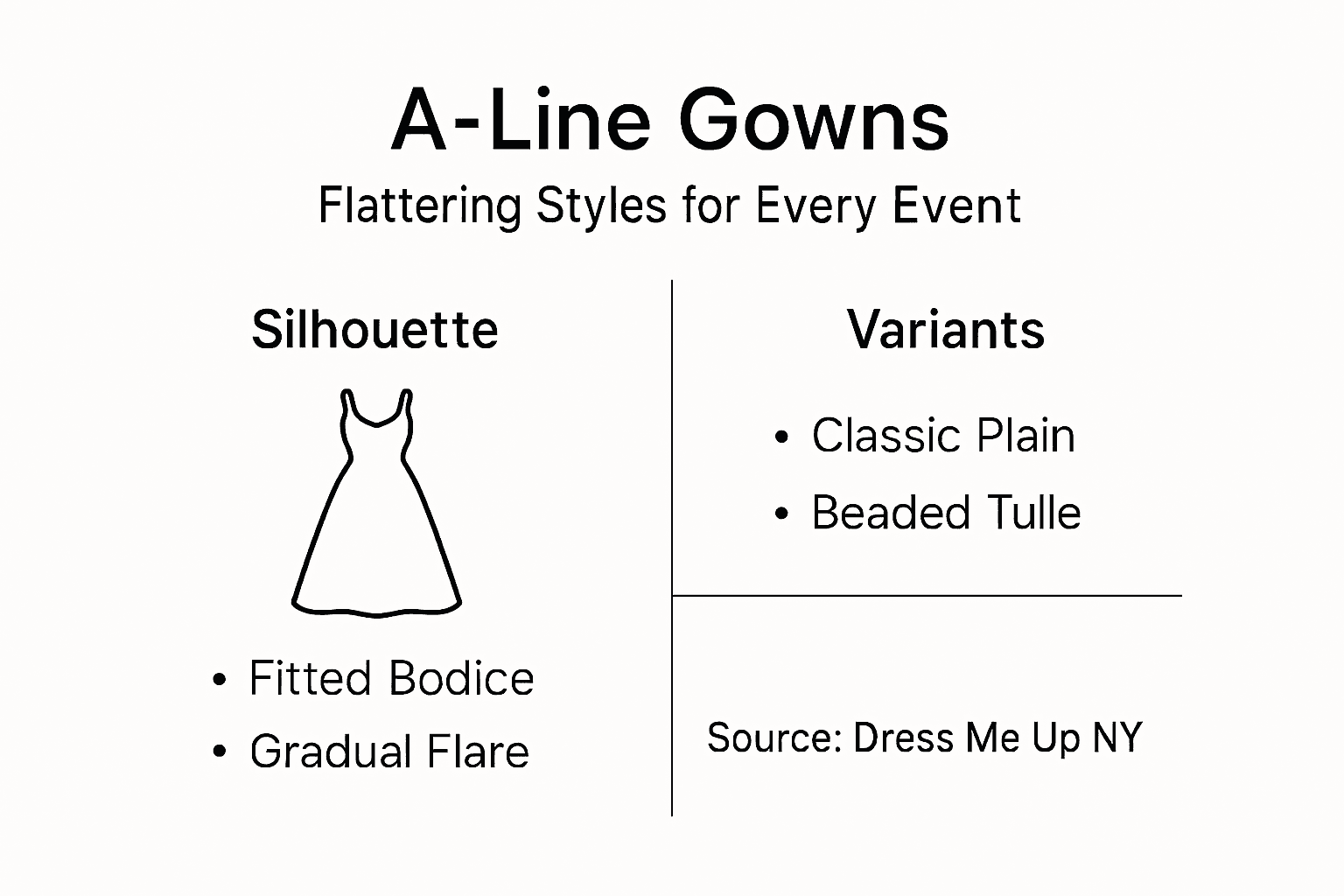
Fabric dramatically affects how an A-line gown moves and drapes on your body. Lightweight fabrics like chiffon and organza create a romantic, ethereal quality perfect for spring events or outdoor formals. These materials allow the skirt to move beautifully when you walk and dance, and they’re ideal if you want an airy, less structured feeling. The trade-off is that lighter fabrics require careful undergarments to ensure the dress maintains its shape and doesn’t cling in unflattering ways. Structured fabrics like satin, taffeta, and duchess silk hold their shape beautifully and create that polished, formal look that photographs incredibly well. These fabrics enhance the flare and flow of A-line gowns by providing enough body to maintain clean lines without bunching. Satin feels luxurious and creates a subtle sheen that looks elegant in photos, while taffeta offers more stiffness and creates a more dramatic silhouette. Blended options combine the best of both worlds. A dress with a structured satin bodice and chiffon skirt gives you definition where you need it and flow where you want movement.
Consider the season and venue when selecting fabric weight. Winter formals call for heavier materials that provide warmth and structure. Summer proms benefit from lighter, more breathable options. Outdoor venues require fabrics that won’t wilt in humidity. Indoor ballroom settings allow for more delicate materials.
Use this quick guide to choose the best fabric for your A-line gown:
| Fabric Type | Appearance | Best Seasons | Style Impact |
|---|---|---|---|
| Chiffon | Light, airy | Spring/Summer | Flowy, romantic movement |
| Satin | Shiny, structured | Fall/Winter | Holds shape, formal finish |
| Tulle | Soft, sheer, layered | Any | Voluminous, dreamy style |
| Velvet | Rich, plush | Winter | Luxurious, bold statement |
Color Selection That Works for You
Color choice goes beyond just picking your favorite shade. The right color flatters your skin tone, coordinates with your personal style, and fits the formality and season of your event. Classic formal colors like black, navy, burgundy, and deep emerald work for virtually any event and suit most skin tones. These colors photograph beautifully and never feel out of place, no matter how formal the occasion. Jewel tones including sapphire, amethyst, and ruby create drama and elegance while still maintaining that formal vibe. Pastels like blush, pale pink, and soft lavender feel fresh and youthful, perfect for spring proms or less formal affairs. Bold colors like red, hot pink, or gold make a statement and work well if your venue allows for more trendy choices.
When exploring color psychology applied to fashion for special events, you’ll discover that certain colors evoke specific emotions and impressions. Blues convey trust and calm, reds suggest confidence and drama, purples signal elegance and creativity. Think about what you want to communicate when you walk into the room. Your skin undertone also matters significantly. If you have warm undertones, colors with warm bases like coral-based pinks, warm golds, and warm reds will look stunning. Cool undertones look best in colors with blue bases like true reds, cool pinks, jewel tones, and cool silvers.
Strategic Accessorizing
Accessories complete an A-line gown without overwhelming its clean silhouette. Belts and waist accessories work wonderfully with A-lines because they emphasize the fitted waist that defines the entire silhouette. A simple belt in a contrasting or matching color can add visual interest and further define your shape. Avoid overly wide belts that might compete with the dress itself.
Jewelry should remain relatively simple. Statement earrings work beautifully with A-lines, especially if your dress has a modest neckline. A simple pendant or delicate necklace complements without cluttering. Avoid layering multiple necklaces because the clean lines of an A-line deserve minimal competition at the neckline. Bracelets can be understated or slightly bolder depending on your dress’s overall detail level. If your gown is heavily beaded, keep bracelets simple. If your dress is minimal, you have more room to add wrist statement pieces.
Footwear matters more than you might think. Heels elongate your legs and maintain the elegant line of the gown. Metallic heels like gold or silver work with virtually any color. Nude heels create a lengthening line by matching your skin tone. Colored heels that match your dress create a seamless silhouette, while contrasting heels add a modern touch.
Clutches and wraps should feel intentional rather than bulky. A small clutch in a metallic finish or simple solid color adds practicality without competing with your dress. For outdoor events, a simple shawl or wrap in a coordinating color maintains the A-line’s elegant lines.
Pro tip: Lay out your full accessory combination before the event, including shoes, jewelry, and any wrap or clutch. Take a photo from a distance to see how everything works together on your dress, and make adjustments before you commit. What looks perfect on individual pieces sometimes needs tweaking when worn as a complete outfit.
Common Shopping Mistakes and How to Avoid Them
Shopping for an A-line gown should be exciting, not stressful. But making the wrong choice happens faster than you might think, especially when you’re browsing online or facing time pressure before an event. Understanding common pitfalls helps you shop with confidence and avoid returning dresses or, worse, wearing something that doesn’t make you feel amazing on the night that matters. The mistakes aren’t about being picky or indecisive. They’re about understanding what actually works versus what marketing claims.
Confusing A-Line with Similar Silhouettes
The most common mistake happens before you even try anything on. You see a dress labeled “A-line” and assume it’s the silhouette you want, but retailers sometimes mislabel or loosely apply the term. Fit-and-flare dresses look similar at first glance but differ significantly. A fit-and-flare has a much more fitted hip area with a sudden, dramatic flare starting around mid-hip, creating more of a curvy emphasis. A true A-line starts flaring immediately from the waist or just below, creating a smoother, more gradual expansion. Ball gowns feature an even fuller skirt with significantly more volume, often starting from the waist with extensive gathering or layers underneath. This creates an entirely different silhouette that’s much more voluminous and formal. The problem is that confusing A-line silhouettes with fit-and-flare or ball gowns leads to purchasing a dress that doesn’t actually flatter the way you expected.
To avoid this mistake, examine product photos carefully from the side view. Does the skirt expand gradually from the waist downward? Or does it stay relatively fitted through the hip before flaring dramatically? Check the product description for specific measurements at the hip and hem. An A-line should have significantly more fabric at the hem than at the hip, but not so much that it screams ball gown. Look for keywords like “soft flare” or “gentle A-line” rather than “voluminous” or “dramatic.”
Overlooking Fabric Weight and Quality
You fall in love with a dress in photos, click purchase, and when it arrives, it looks nothing like what you expected. Often the culprit is fabric weight. A lightweight chiffon A-line will drape and move completely differently than a structured taffeta A-line. The silhouette might technically be A-shaped, but if the fabric can’t hold that shape, you’ll end up with a clingy, droopy mess instead of the elegant gown you imagined.
Heavy fabrics like satin, taffeta, and structured blends maintain their shape throughout the day and evening. They hold the flare without requiring excessive petticoats or undergarments. Lightweight fabrics need proper support and careful styling to maintain the A-line shape. The mistake happens when buyers don’t consider fabric weight in relation to the dress’s structural design. A heavily beaded dress might require a stiffer fabric to support the weight of the embellishments. A flowing chiffon gown might need layering or a slip underneath to prevent it from clinging. Always check the fabric composition and weight listed in product details, and read customer reviews specifically mentioning how the dress actually looks and moves on their body.
Choosing Excessive Flare That Destroys the Line
This mistake seems counterintuitive, but it happens. You want that gorgeous A-line flow, so you size up or choose a version with an extra-full skirt, thinking “more flare means more flattering.” But too much flare actually overwhelms the silhouette and defeats the purpose of wearing an A-line. When the skirt expands too dramatically, you look like you’re wearing a tent rather than a dress. The balanced proportions that make A-lines universally flattering disappear.
The classic A-line should create a smooth, flowing line from waist to hem. If you’re looking at a dress and thinking it might be too much, it probably is. Stay true to size recommendations based on your actual measurements rather than sizing up “just in case.” If you have a small frame, an A-line with excessive volume will swallow you. If you have a larger frame, too much fabric creates bulk rather than elegance. Read reviews from people with similar body types and heights to understand how the flare actually translates on real people.
Missing Important Details and Measurements
Online shopping means you can’t physically try the dress on before committing. This leads to mistakes with crucial measurements. The dress length, waist placement, bodice depth, and overall proportions matter enormously. A dress that’s perfect for someone 5 feet 10 inches tall might be completely wrong for someone 5 feet 3 inches tall, even if it’s technically the same size.
Before purchasing, compare the dress measurements to something you own that fits perfectly. Check inseam, bust width, and waist placement. Look for customer photos showing the dress on people with your height and body type. When shopping online for special events, pay attention to return policies and shipping timeframes. You need enough time to receive the dress, try it on, and arrange alterations if needed.
Not Considering Undergarments and Support
You receive the dress, put it on, and something feels off. Often the issue is undergarments. An A-line gown needs proper support to look its best. A smooth, well-fitting bra under a fitted bodice makes an enormous difference. Some gowns come with built-in bras or structured bodices that need nothing underneath. Others require specific shapewear or slip styles to maintain the line. The mistake happens when you assume any undergarment will work or when you try the dress on without proper undergarments during shopping.
Before purchasing, ask the retailer about recommended undergarments. When trying on, wear what you’ll actually wear to the event. If the dress has a sheer or partially sheer bodice, consider whether nude or matching undergarments are necessary. This small detail significantly impacts how the A-line silhouette looks on your body.
Pro tip: Before committing to purchase, find at least three customer reviews from people who share your height and general body type, and read what they specifically say about the fit, fabric weight, and how the A-line actually looks in person. Spend five extra minutes reading reviews instead of spending hours dealing with returns later.
Find Your Perfect A-Line Gown for Unforgettable Formal Moments
Choosing the right A-line gown is about more than just style. It is about finding a silhouette that flatters your unique body shape while highlighting your confidence and elegance. If you have ever faced confusion between true A-line dresses and other flared styles or worried about the fabric and fit not matching your expectations, you are not alone. At Dress Me Up NY, we understand the struggle of navigating countless options and misleading labels. That is why we offer a curated selection of authentic A-line gowns designed to emphasize your natural waist, provide smooth graceful flares, and keep you feeling stunning all night long.
Start your journey with our exclusive collection of Evening Gowns featuring true A-line silhouettes that embody timeless elegance and modern flair. Every gown is chosen with the goal of helping you avoid common shopping mistakes like improper fabric weight or overwhelming flare. Explore styles with thoughtful details such as fitted bodices, flattering waistlines, and luxurious fabrics—perfect for proms, weddings, or any special occasion that demands a flawless look. Visit Dress Me Up NY now, find your favorite A-line gown, and enjoy our special offers including free shipping and exclusive discounts. Your perfect dress is waiting for the moment you step into the spotlight.
Frequently Asked Questions
What is an A-line gown?
An A-line gown is a dress that narrows at the top and gradually widens toward the hem, creating a silhouette that resembles the letter “A.” This shape flatters most body types by emphasizing the waist while allowing a gentle flow over the hips.
What body types are best suited for A-line gowns?
A-line gowns are designed to flatter a variety of body types, including petite, curvy, athletic, and pear-shaped figures. The fitted bodice enhances the chest and shoulders, while the skirt skims over the hips and thighs, providing balance to the overall silhouette.
How do I identify a true A-line gown?
To identify a true A-line gown, look for a dress with clean, uninterrupted lines that gradually flare from the waist without excessive gathers or pleats. The side seams should curve outward smoothly, maintaining an elegant silhouette that mirrors the shape of the letter “A.”
What factors should I consider when choosing the fabric for an A-line gown?
When selecting fabric for an A-line gown, consider the weight and structure of the material. Heavier fabrics like satin provide a polished look and maintain the silhouette, while lightweight fabrics such as chiffon offer a romantic feel. The season, venue, and desired level of formality also influence the choice of fabric.
Recommended
- Understanding What is an A-Line Dress - DressMeUpNY
- Flattering Dresses for Apple Shape: Formal Event Choices 2025 - DressMeUpNY
- Plus Size Formal Dress Tips for Elegant Event Style - DressMeUpNY
- Top Types of Evening Gowns for Every Special Event 2025 - DressMeUpNY
- Gold Plated Luxury Jewelry Set for Women African Dubai Fashion Necklac – Didis Beauty Center